1 Electricity Prices in Pakistan 2026 – Updated Per Unit Rates and Billing Guide
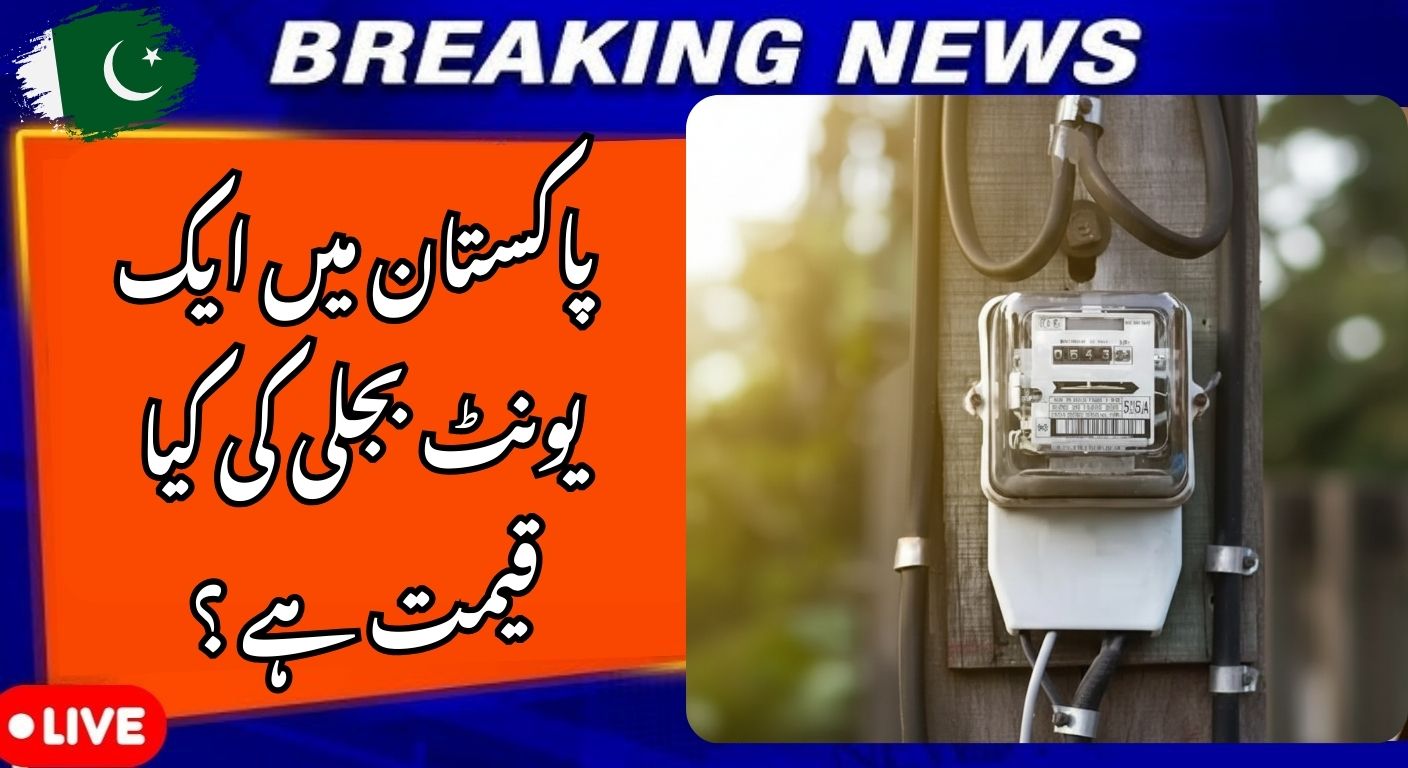
Electricity is an essential part of daily life in Pakistan, powering homes, offices, shops, and industries. In 2026, the National Electric Power Regulatory Authority (NEPRA) updated electricity tariffs, prompting many people to check the latest per-unit rates and understand how their bills are calculated. This guide explains electricity units, pricing, slabs, 2026 rates, and tips to save money.
What Is 1 Unit of Electricity?
Electricity usage is measured in kilowatt-hours (kWh). In Pakistan:
- 1 Unit = 1 kWh
Examples:
- Using a 1000-watt appliance for 1 hour consumes 1 unit.
- A 100-watt bulb running for 10 hours also uses 1 unit.
Knowing your consumption in units helps estimate your monthly electricity bill. The more units used, the higher the bill.
How Electricity Pricing Works in Pakistan
NEPRA sets electricity tariffs by calculating the cost to generate, transmit, and distribute electricity. Pricing considers:
- Production costs (fuel, power plants)
- Transmission and distribution expenses
- Government rules and policies
- Slab system (tiered rates based on usage)
This system ensures fairness, so households using less electricity pay lower rates, while high consumption is charged more.
Slab System Explained
Pakistan uses a slab system for household electricity:

- Lifeline Users: Very low consumption → Lowest per-unit rates.
- Protected Users: Small to medium households → Affordable rates.
- Non-Protected Users: High consumption → Higher per-unit rates.
Slabs encourage energy conservation while keeping basic electricity affordable.
Updated Electricity Rates Per Unit in 2026
NEPRA approved a uniform national tariff effective January 1, 2026. Taxes, fuel adjustments, and surcharges may still affect the final bill.
| Consumption Category | Rate per Unit (Rs) |
|---|---|
| Lifeline up to 50 units | 3.95 |
| Lifeline 51–100 units | 7.74 |
| Protected 1–100 units | 10.54 |
| Protected 101–200 units | 13.01 |
| Non-Protected 1–100 units | 22.44 |
| Non-Protected 101–200 units | 28.91 |
| 201–300 units | 33.10 |
| 301–400 units | 37.99 |
| 401–500 units | 40.22 |
| 501–600 units | 41.62 |
| 601–700 units | 42.76 |
| Above 700 units | 47.69 |
Key points:
- Low consumption households pay very little per unit.
- High usage households pay more.
- National average price is ~Rs. 33.38 per unit.
- Final bills include taxes, surcharges, and fuel price adjustments.
Example: Calculating an Electricity Bill
If a household uses 300 units in a month:
- 300 × Rs. 33.10 (average slab rate) = Rs. 9,930
⚠️ Note: Actual bills may be higher due to:
- GST and provincial taxes
- Fuel Price Adjustment (FPA)
- Other government charges
Why Electricity Prices Change
Electricity rates in Pakistan fluctuate due to:
- Fuel Costs: Electricity is generated using gas, coal, and oil. Rising fuel prices increase tariffs.
- Capacity Charges: Power producers charge to maintain production readiness.
- Government Policies: Tariffs can be adjusted to provide relief or maintain uniform pricing.
- Taxes: GST and provincial levies increase the total bill.
- Fuel Price Adjustment (FPA): NEPRA updates monthly bills based on global fuel price changes.
Household Slabs – Understanding Your Category
Lifeline and Protected Users
- Lifeline: Very low usage (up to 100 units).
- Protected: Small to medium households → Moderate rates.
Non-Protected Users
- Households using over 100 units pay higher rates.
- Encourages energy efficiency and careful usage.
Tips to Save Electricity and Reduce Bills
- Use Energy-Efficient Appliances: LED lights, efficient fans, and appliances.
- Switch Off When Not in Use: Turn off lights, AC, TV, and fans when idle.
- Avoid Peak Hour Usage: Running heavy appliances at night can reduce costs.
- Install Solar Panels: Reduces dependence on the grid.
- Maintain Appliances: Clean ACs, refrigerators, and other devices for optimal efficiency.
Future Outlook
- Electricity demand is growing.
- Fuel import costs may increase.
- Government policies and renewable energy initiatives may affect tariffs.
- Uniform national rates make bills more predictable.
Final Summary
- Pakistan’s electricity price per unit in 2026 is based on a slab system.
- Low-usage households pay less (Lifeline & Protected slabs).
- High-usage households pay more (Non-Protected slabs).
- National average per unit is ~Rs. 33.38.
- Tips to reduce bills: use energy-efficient appliances, turn off unused devices, and adopt energy-saving habits.
Understanding units and slab rates helps households plan electricity expenses and avoid surprises. Careful usage combined with awareness of slab rates and adjustments can significantly reduce monthly bills.