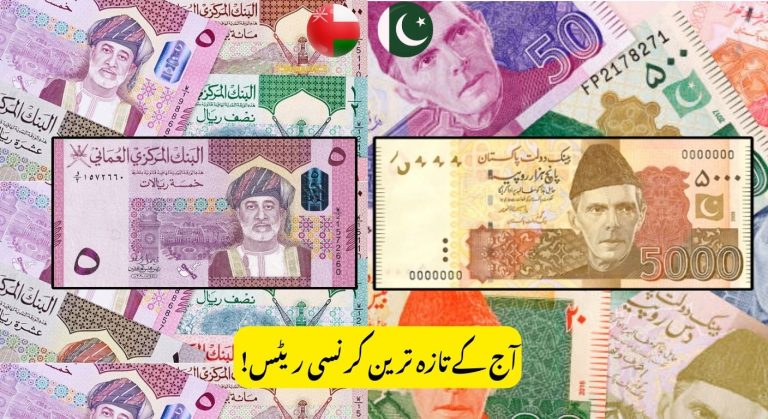
1 USD to PKR in 1947 Complete History of Dollar to Rupee Exchange Rates
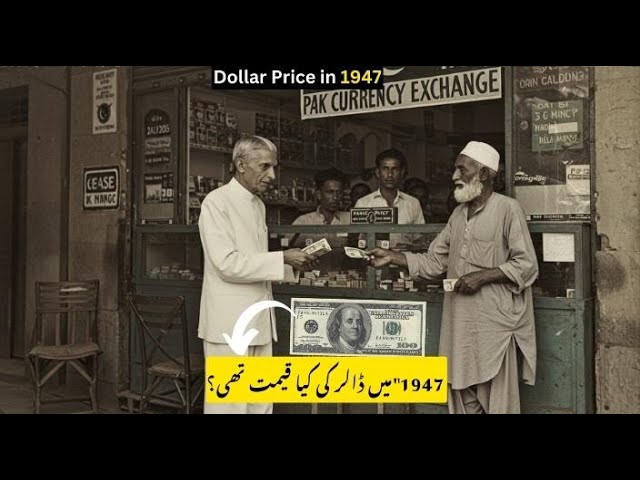
When Pakistan became independent on 14 August 1947, it did not immediately issue its own separate currency. In the early months, Pakistan continued using Indian currency notes that were stamped for use in Pakistan. The official Pakistani rupee was introduced in 1948.
At the time of independence, the exchange rate system was very different from today. In 1947, 1 US Dollar was equal to approximately 3.31 Pakistani Rupees. This rate remained stable in the early years due to a fixed exchange rate system.
This article explains why the dollar rate was low at that time, how it changed over the decades, and what it tells us about Pakistan’s economic journey.
What Was the USD to PKR Rate in 1947?
In 1947:
1 USD = 3.31 PKR (approx.)
This was not a market-based floating rate like today. Instead, it was determined under a fixed exchange system linked to the British pound sterling.
At that time, many countries followed the Bretton Woods system, where currencies were pegged to the US dollar, and the US dollar itself was linked to gold.

Why Was the Dollar So Cheap in 1947?
Many people think the rupee was “stronger” in 1947. While technically true in numbers, the economic situation was very different. Here are the real reasons:
1. Fixed Exchange Rate System
Pakistan’s currency was linked to the British pound. Since the pound had a fixed value against the US dollar, the rupee’s value also remained stable.
2. Very Limited Imports and Foreign Trade
In 1947, Pakistan had:

- Very small industrial activity
- Limited imports
- Strict foreign exchange controls
Because demand for US dollars was low, the exchange rate remained stable.
3. Controlled Economy
The government strictly controlled currency exchange. People could not freely buy and sell foreign currency like today. This prevented sudden changes in the rate.
4. Low External Debt
Pakistan had very little foreign debt in the early years, so there was less pressure on foreign reserves.
Major Changes in USD to PKR Over Time
Below is a simplified and more accurate historical overview of how the dollar rate changed:
| Year | 1 USD to PKR (Approx.) | Key Reason |
|---|---|---|
| 1947 | 3.31 | Fixed exchange system |
| 1955 | 4.76 | First major devaluation |
| 1972 | 9.90 | Rupee devalued after separation of East Pakistan |
| 1982 | Managed float begins | Exchange system changed |
| 1990 | 21.70 | Inflation and economic reforms |
| 2000 | 51–52 | Sanctions and external debt |
| 2010 | 85–86 | Trade deficits and inflation |
| 2020 | 160+ | Economic pressure and IMF programs |
| 2026 | 279–285 (approx.) | Market-based exchange rate |
Note: Modern rates fluctuate daily depending on the interbank and open market.

When Did the Rupee Start Falling Rapidly?
1955 – First Devaluation
Pakistan devalued its currency to improve exports.
1972 – Major Structural Shift
After the separation of East Pakistan (now Bangladesh), the rupee was significantly devalued.
1982 – Managed Float System
Pakistan moved from a fixed system to a managed float. Market forces started influencing the rate.
1990s Onward
- Higher inflation
- Increased imports
- Rising foreign debt
- Political instability
All these factors caused gradual depreciation.
Why Is USD Above 280 Today?
Today, Pakistan follows a market-based exchange rate system. This means supply and demand determine the price of the dollar.

Main reasons for long-term rupee depreciation:
- High inflation over decades
- Large trade deficits (imports higher than exports)
- External debt repayments
- Global dollar strength
- Political and economic instability
It is important to understand that the 1947 rate cannot be directly compared with today’s rate because:
- The economy was closed and controlled
- Global trade was limited
- Population was much smaller
- Financial markets were not free
Was the Rupee Really “Stronger” in 1947?
In numbers, yes — 1 USD was only 3.31 PKR.
But in reality:
- Average income was extremely low
- Industrial production was limited
- Infrastructure was underdeveloped
- Purchasing power conditions were completely different
So comparing 1947 directly with 2026 without economic context can be misleading.

Economic Lesson from 1947 to 2026
The journey from 3.31 to around 280+ per dollar tells the story of:
- Economic expansion
- Population growth
- Increased global integration
- Policy changes
- Financial challenges
Exchange rate depreciation over long periods is common in developing economies, especially those with persistent trade deficits and inflation.
Conclusion
The USD to PKR rate in 1947 was approximately 3.31 under a fixed and controlled exchange system. Over the decades, Pakistan moved toward a market-based system where the rate is determined by supply and demand.
The increase from 3.31 to over 280 is not just a currency change — it reflects Pakistan’s entire economic history, including growth, challenges, reforms, and global integration.
Understanding this history helps explain how exchange rates work and why they change over time.