Basant 2026 Lahore Cancelled? Rumours Spread – Here’s the Real Truth About the Festival Status!
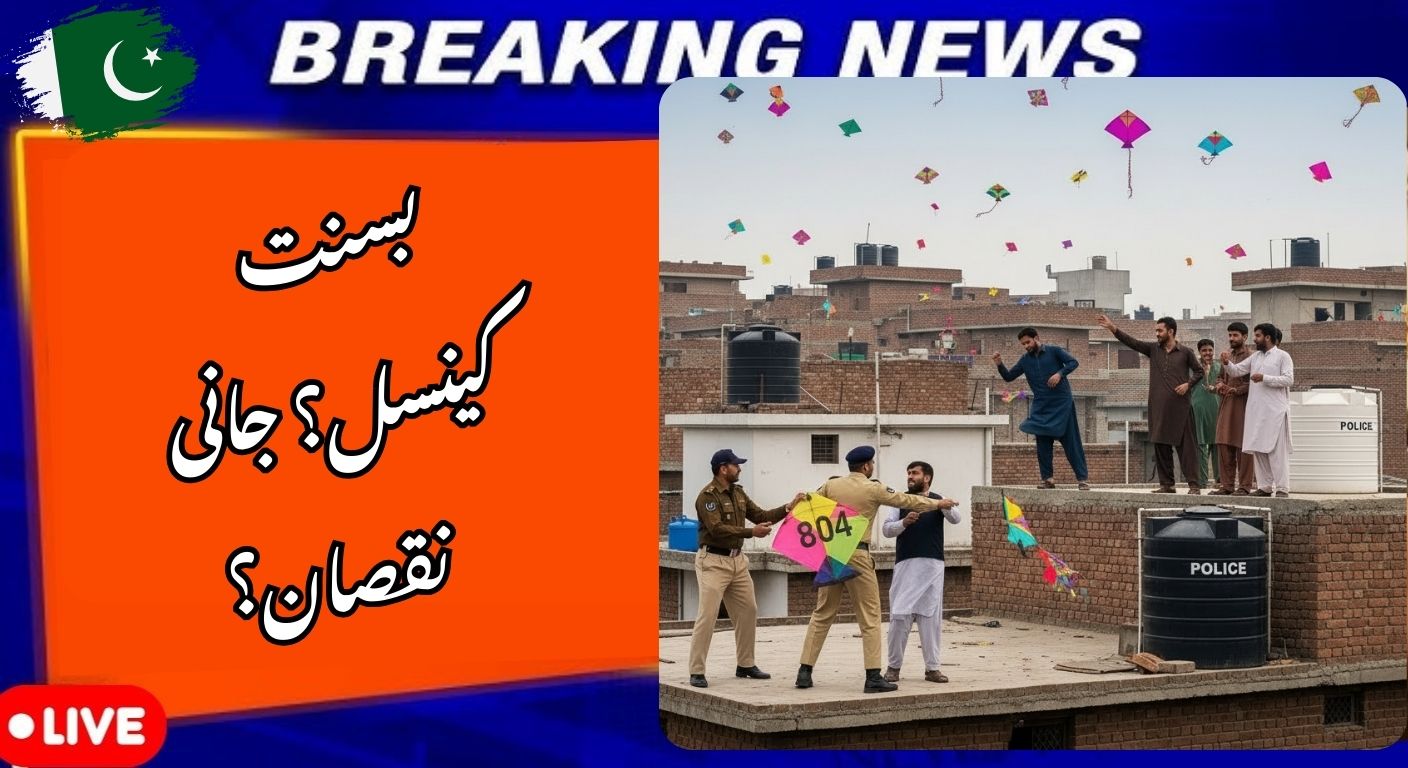
Basant was once one of the most colorful and joyful festivals in Pakistan, especially in Lahore and nearby cities. It was celebrated with great happiness. People flew kites, wore bright clothes, and enjoyed traditional food. The sky looked beautiful with thousands of colorful kites. However, over time, Basant became dangerous. Due to many accidents and deaths, the government decided to take strict action. As a result, the government banned Basant and free kite flying across the country.

This decision was not easy, but it was necessary for public safety. The government’s main goal was to protect human lives and stop illegal activities related to kite flying.
History of Basant Festival
Basant is an old cultural festival that marks the arrival of spring. It has roots in South Asian history and was celebrated for centuries. In the past, Basant was a peaceful event. Families gathered on rooftops, children flew kites, and music filled the air. It was a symbol of happiness, unity, and cultural heritage.
Over time, competition increased. People wanted stronger strings and sharper kite-cutting tools. This change slowly turned a joyful festival into a risky activity.

Why the Government Banned Basant
The government banned Basant mainly because of public safety concerns. Many serious problems were linked to kite flying.
1. Dangerous Kite Strings
One of the biggest issues was the use of metal and chemical-coated strings, commonly called dor. These strings were extremely sharp. They caused:
- Throat-cutting accidents
- Serious injuries to bikers and pedestrians
- Damage to electric wires
Many innocent people lost their lives because of these sharp strings.

2. Loss of Human Lives
Every year, during Basant, hospitals reported many deaths and injuries. Motorcyclists were the most affected. Even children and elderly people were not safe. The government could not ignore these tragic incidents anymore.
3. Illegal Kite Manufacturing
The kite industry became uncontrolled. Illegal factories started producing dangerous strings without following any safety rules. Despite warnings, these activities continued, forcing the government to take strict action.
Ban on Free Kite Flying
Along with banning Basant, the government also banned free kite flying. This means people are not allowed to fly kites freely at any time of the year.

The reasons for banning free kite flying include:
- Continuous accidents throughout the year
- Difficulty in enforcing laws only during Basant
- Smuggling of illegal kite strings
The ban helped authorities control the situation more effectively.
Government Actions and Laws
The government introduced strict laws to enforce the ban:
- Heavy fines for kite flying
- Arrests for selling or using illegal strings
- Raids on factories making dangerous dor
- Confiscation of kites and materials
Special teams were formed to monitor rooftops and markets during festival seasons.
Public Reaction to the Ban
The public reaction was mixed.

Supporters of the Ban
Many people supported the government’s decision. They believed:
- Human life is more important than festivals
- The ban reduced accidents
- Roads became safer for bikers
Families who lost loved ones strongly favored the ban.
Opponents of the Ban
Some people were unhappy. They argued that:
- Basant was part of cultural heritage
- The ban affected small businesses
- Kite makers lost their jobs
However, even critics agreed that safety must come first.
Impact on Culture and Economy
The ban had a strong impact on culture and economy.

Cultural Impact
Basant was a symbol of joy and tradition. Its ban created a cultural gap. Younger generations now only hear stories about Basant instead of experiencing it.
Economic Impact
Many people earned money from:
- Kite making
- Food stalls
- Tourism
- Event management
After the ban, thousands lost their income. This forced the government to think about alternative safe celebrations.
Attempts to Revive Basant Safely
Over the years, there have been discussions about bringing Basant back under strict rules. Some suggestions include:
- Using only cotton strings
- Flying kites in open grounds instead of rooftops
- Licensing kite sellers
- Strong monitoring by authorities
However, due to poor law enforcement and past experiences, the ban remains in place.

Importance of Public Safety
Public safety is the responsibility of the government. When traditions become dangerous, they must be controlled. The ban on Basant and free kite flying saved many lives.
Islam also teaches us to protect life. Any activity that puts lives at risk should be avoided. From this point of view, the government’s decision was justified.
Role of Citizens
Citizens also have a role to play:
- Follow the law
- Avoid illegal kite flying
- Report dangerous activities
- Educate children about safety
Without public cooperation, no law can be successful.
Conclusion
The government banned Basant and free kite flying to protect people from deadly accidents. While Basant was a beautiful cultural festival, it became unsafe due to illegal practices and dangerous kite strings. Human life is priceless, and no celebration is worth losing lives.

Although the ban affected culture and economy, it helped save countless innocent people. In the future, if safety can be fully ensured, Basant may return in a controlled and safe form. Until then, following the law and prioritizing safety is the responsibility of every citizen.