Big Comfort for Consumers as Electricity Prices Drop in Pakistan 2026
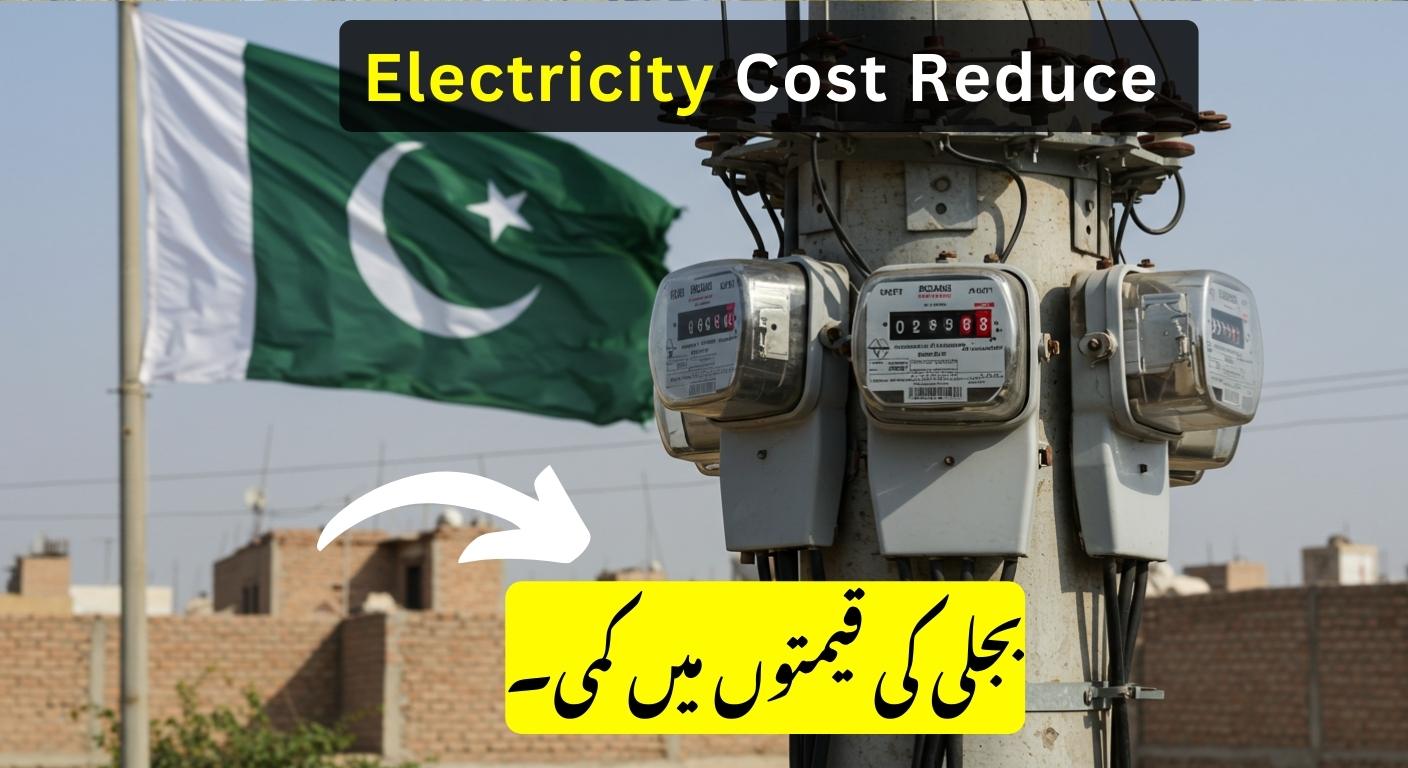
Electricity is essential for daily life—it powers homes, schools, hospitals, and businesses. Over the years, rising electricity costs in Pakistan created financial pressure for families and companies. High bills, along with increasing fuel costs, made it difficult for many to pay on time.
Recently, however, there is good news: electricity prices in Pakistan have been reduced, providing significant relief to households and businesses. This article explains the old rates, new rates, reasons for the reduction, and how it impacts people in simple terms.
Old Electricity Prices
Before the reduction, electricity was costly for both residential and business users. High fuel charges and other adjustments increased monthly bills, especially in the summer when usage rises.
Examples of previous rates:

- Residential consumers: Around Rs. 45 per unit
- Industrial/business users: Often above Rs. 50 per unit
These high costs were a burden for families and small businesses, making it hard to manage monthly expenses.
Recent Electricity Price Reduction
The government and regulators took steps to lower electricity costs, helping families save money and reducing expenses for businesses.
1. Major Tariff Cut
The government announced a reduction of up to Rs. 7 per unit for residential users.

- Old average price: Rs. 45/unit
- New average price: Rs. 37–38/unit
This is a significant relief for households using large amounts of electricity each month.
2. Fuel Cost Adjustments
The National Electric Power Regulatory Authority (NEPRA) adjusts electricity prices monthly based on fuel costs.
- K-Electric (Karachi) consumers saved about Rs. 4 per unit
- Other cities saw reductions of Rs. 0.50–1 per unit
These adjustments immediately lower bills whenever fuel prices drop.

3. Base Tariff Reduction
NEPRA revised the base tariff for 2026:
- Old base tariff: Rs. 40/unit
- New base tariff: Rs. 33/unit
This reduction benefits all consumers and ensures long-term savings on electricity bills.
4. Uniform Tariff Reduction
NEPRA also introduced a small uniform reduction of Rs. 1 per unit for all categories, giving everyone—residential and commercial users alike—some relief.
Why Electricity Prices Fell
Electricity became cheaper due to several factors:
- Lower fuel costs: Reduced diesel, oil, and gas prices made power generation cheaper.
- Government agreements: Negotiations with private power producers lowered costs.
- Monthly fuel adjustments: NEPRA reduces bills automatically when fuel prices fall.
- Policy focus: The government is actively providing relief to families and businesses.
New Electricity Prices (Simplified)
Consumer TypeOld Price (Rs/unit)New Price (Rs/unit)

Residential (general) 45 37–38
K-Electric (Karachi) 45–48 41–44
Industrial/Business 50+ 45–48
Base Tariff 40 33
Households using 300–500 units per month can save a substantial amount with these reductions.

Impact on People
1. Relief for Families
Even a small drop of Rs. 5–7 per unit can save hundreds or thousands of rupees every month, easing financial pressure on households.
2. Support for Businesses
Lower electricity costs reduce expenses for factories, shops, and small enterprises, helping stabilize product prices and improve profit margins.
3. Improved Consumer Confidence
Affordable electricity bills reduce financial stress, allowing people to spend on other essentials and stimulating the economy.
Remaining Challenges
- Electricity is still relatively expensive compared to previous years.
- Fuel price fluctuations could increase bills again.
- Some areas may experience delays in seeing the benefits due to billing cycles.
- Long-term affordability depends on government energy policies and stable fuel prices.
Future Outlook
Experts suggest electricity may become cheaper if:
- Fuel prices continue to fall
- Renewable energy sources, like solar, are more widely used
- Government negotiates better rates with power producers
- Families adopt energy-efficient appliances and save electricity
Conclusion
The recent reduction in energy expenses is a prime comfort for households and businesses in Pakistan. Residential customers now pay Rs. Five–7 less per unit, even as K-Electric customers in Karachi stored even greater. The new base tariff of Rs. 33/unit is more cheap, imparting long-time period remedy. While demanding situations continue to be, this step demonstrates the authorities’s commitment to creating power less expensive and greater plausible for normal human beings. With persisted awareness on lower fuel costs and stepped forward electricity policies, power in Pakistan ought to emerge as even extra affordable in the close to future.