Flour Shortage in Open Market Leaves Citizens Worried — Latest Price & Situation (February 2026)
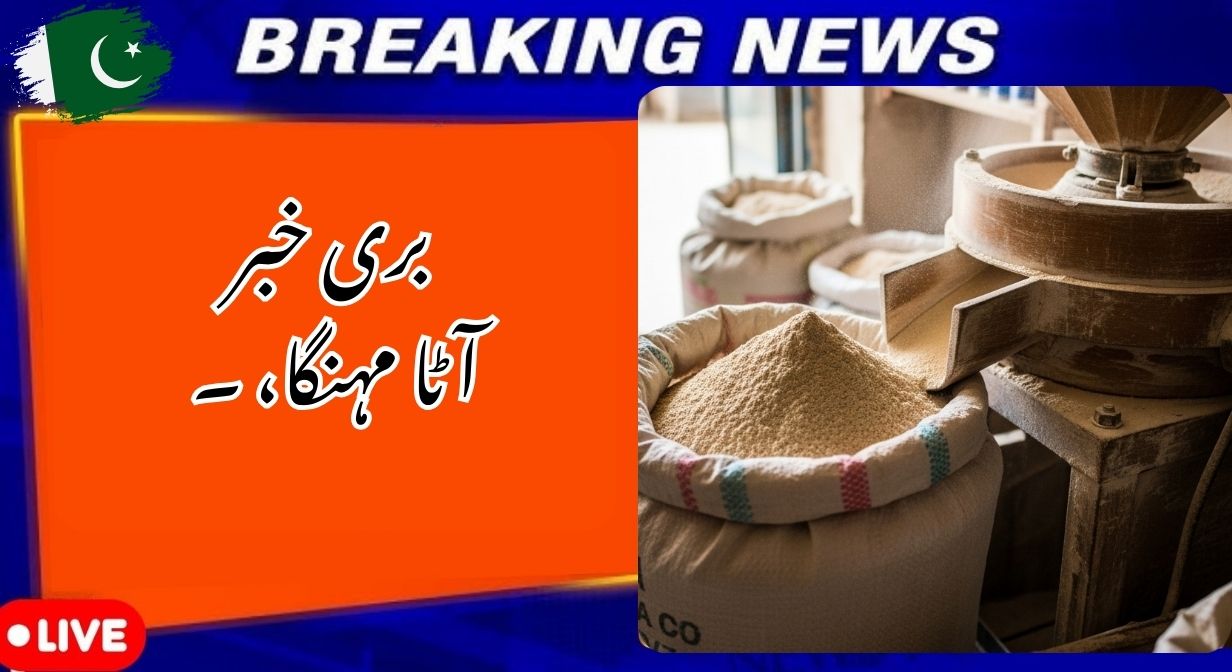
A growing shortage of flour (atta) in open markets across parts of Pakistan has sparked concern among consumers, especially as the holy month of Ramadan approaches. Many shoppers and shopkeepers in cities like Lahore are reporting that flour is becoming harder to find and more expensive than official rates.

Residents in areas such as Gulshan-e-Ravi, Dharampura, Gaddhi Shahu, and Saddar have complained about a lack of supply in open markets, making it difficult for households to buy this essential staple that is used daily in every Pakistani kitchen. Many households do not only depend on flour from Ramadan bazaars but also buy from regular markets — and the shortage there is causing stress and inconvenience.
Why the Shortage Is Happening
Several factors are contributing to the scarcity and high cost of flour in open markets:
1. Higher Wheat and Flour Prices
Wholesale and retail prices of flour and wheat have been rising steadily in recent weeks. In Punjab, for example, dealers reported that a 15 kg bag of flour was selling at around Rs1,810, up from about Rs1,550 just a couple of months earlier. This increase is linked to rising wheat prices in private markets, which make it harder for mills to supply flour at government-set rates.

2. Limited Supply for Local Millers
Even when the government issues wheat to flour mills, it may not be enough. In parts of Sindh, mill operators say they receive limited stocks from the food department and are forced to buy extra wheat from private markets at higher prices, pushing the flour cost up again.
3. Inflation and Market Behavior
Food prices in general have been trending upwards as the economy experiences inflationary pressures. Traders often increase prices in anticipation of increased demand during Ramadan, which makes essentials like flour more expensive in normal shops compared to official stored rates.
Current Flour Prices in Pakistan (Open Market 2026)
Local market prices for flour — especially outside government-subsidized stores — remain high due to the reasons above. While the official government price for a 10 kg bag of flour in Sindh was notified at around Rs1,070 as of late January 2026, most open market rates stay higher, sometimes above official ceilings because traders sell based on supply pressure rather than fixed rates.

Here’s a snapshot of typical open market prices:
- Flour (atta) per kg: roughly Rs120 – Rs180+ depending on city and brand.
- 10 kg flour bag: approximately Rs1,200 – Rs1,600 in many parts of Punjab and Sindh.
Prices vary by city and quality, but the general trend shows that open market prices remain above official government targets — making it harder for low-income families to afford basic food staples.
What Citizens Are Saying
Shoppers and local sellers are urging authorities to increase supply not just to Ramadan bazaars but also in regular markets. Many say they buy flour everywhere they can but are still finding shortages and higher rates. Some argue that supply should be guaranteed before Ramadan increases demand further.

The general sentiment is that while Ramadan bazaar initiatives are good for reducing food costs at specific sites, these measures must also be matched with stable availability and pricing in everyday markets.
What Experts Warn
Economists and market analysts point out that short-term shortages and price spikes often happen before Ramadan due to increased purchasing combined with limited supply. Unless balanced with adequate food distribution from government reserves and controlled releases to millers, open market prices may stay elevated, intensifying financial strain on households.
What Consumers Should Do
- Check official price lists at government-run bazaars and utility stores.
- Compare open market prices before purchasing to avoid overpaying.
- Report price gouging or shortages to local food authorities.
- Plan purchases early, especially for Ramadan essentials.
Final Thoughts
The current flour shortage in open markets is adding pressure on ordinary consumers already dealing with rising costs of food and other essentials. While government efforts to control prices through bazaars and supply lists continue, open market rates remain high, and availability is uneven. As the holy month of Ramadan nears, stable supply and fair pricing of flour will be essential for easing inflationary stress on families across Pakistan.