Petrol Price in Pakistan: From 1947 to 2026 – A Complete Historical Overview
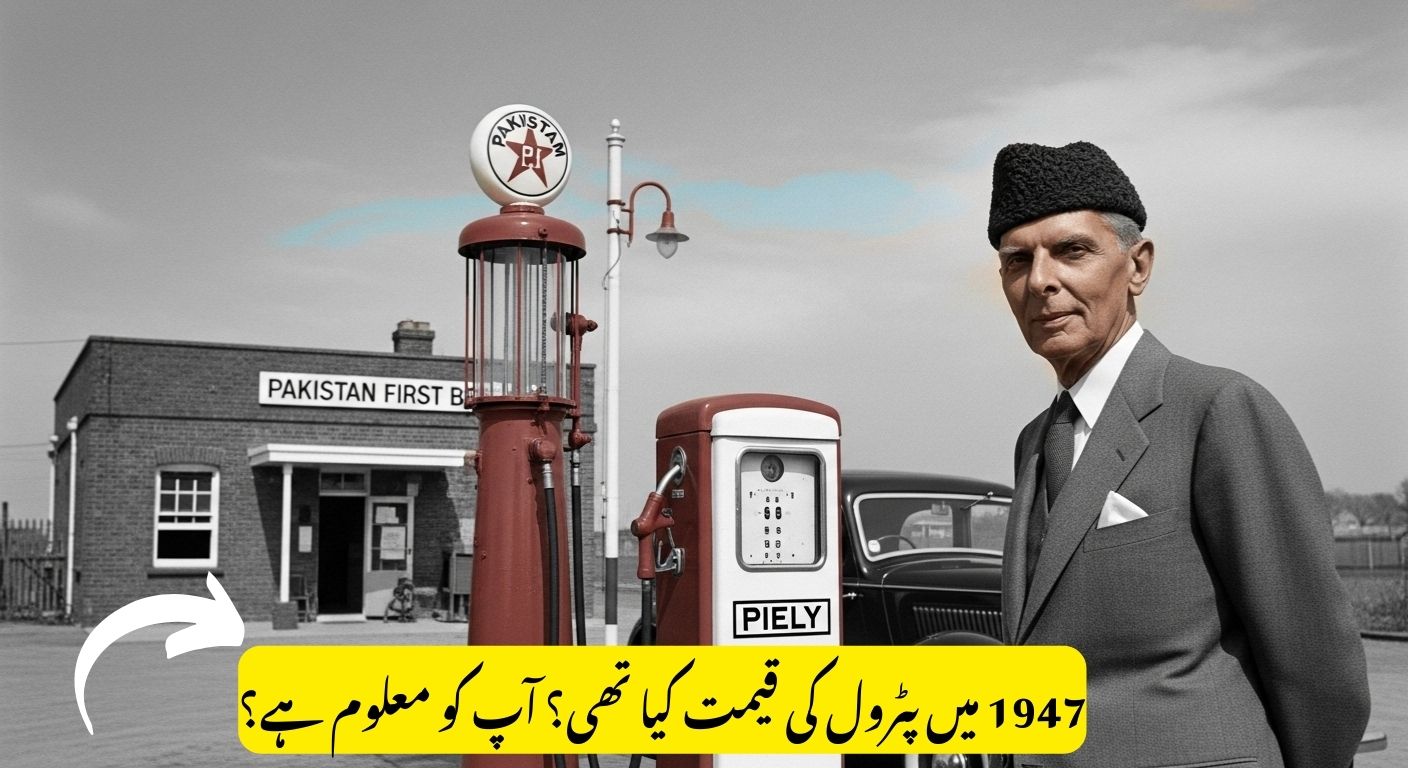
Petrol, commonly known as motor spirit, has played a crucial role in Pakistan’s economic and social development since independence in 1947. From a time when vehicles were rare and fuel cost only a few paisas per litre to today’s prices exceeding hundreds of rupees, the journey of petrol prices reflects the broader story of Pakistan’s economic transformation.
This article explores how much petrol cost in 1947, how prices evolved decade by decade, and what consumers are paying around 2026.
Petrol Price in 1947 – The Beginning
When Pakistan gained independence in August 1947, petrol was extremely affordable. At that time:
- The economy was largely agricultural.
- Very few people owned cars or motorcycles.
- Fuel demand was limited.
- Global oil markets were relatively stable.
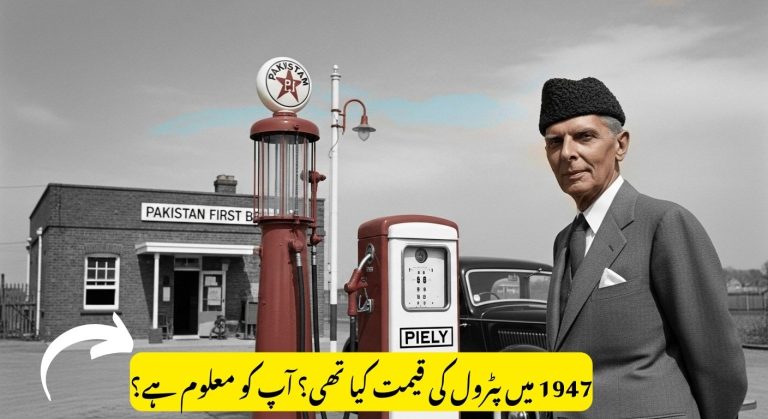
The average petrol price in 1947 was approximately Rs. 0.23 per litre — less than one rupee.

1947 to 1970 – Slow and Gradual Growth
During the early decades, petrol prices increased slowly as the country began developing infrastructure and transportation systems.
| Year | Approx. Price (PKR/Litre) |
|---|---|
| 1947 | 0.23 |
| 1950 | 0.25 |
| 1960 | 0.36 |
| 1965 | 0.40 |
| 1970 | 0.48 |
The rise was gradual because demand remained moderate, and the global oil market had not yet experienced major shocks.
1970s to 1990s – Oil Crises and Rapid Increases
The 1970s brought major global oil crises that significantly impacted fuel-importing countries like Pakistan. As Pakistan imports most of its petroleum, international price shocks directly raised domestic rates.

| Year | Approx. Price (PKR/Litre) |
|---|---|
| 1975 | 1.20 |
| 1980 | 2.50 |
| 1985 | 3.00 |
| 1990 | 6.00 |
| 1995 | 11.00 |
Economic expansion, urbanization, and rising vehicle ownership also pushed demand upward. By the 1990s, petrol prices had crossed Rs. 10 per litre — a major jump compared to earlier decades.
2000s – Sharp Price Acceleration
The new millennium marked a turning point. Global crude oil prices surged, and domestic taxation policies added further pressure.
| Year | Approx. Price (PKR/Litre) |
|---|---|
| 2000 | ~30 |
| 2005 | ~55 |
| 2007 | ~60 |
| 2010 | ~73 |
| 2012 | ~108 |
| 2013 | ~110 |
For the first time, petrol crossed Rs. 100 per litre in the early 2010s. This significantly impacted transportation and household budgets.
2010s – Fluctuations but Continued High Prices
Petrol prices fluctuated during the mid-2010s due to global oil supply changes and currency movements.
| Year | Approx. Price (PKR/Litre) |
|---|---|
| 2014 | ~94.50 |
| 2015 | ~80 |
| 2018 | ~80.70 |
| 2019 | ~90 |
Although there were temporary reductions, prices generally remained high compared to previous decades.
2020s – Record Highs and Economic Pressure
The 2020s brought unprecedented volatility due to global economic disruptions, geopolitical tensions, and currency depreciation.
| Year | Approx. Price (PKR/Litre) |
|---|---|
| 2020 | ~100 |
| 2022 | ~200 |
| 2023 | ~331.38 (record high) |
| 2024 | ~249.10 |
| 2025 | ~255.86 |
In 2023, petrol crossed Rs. 300 per litre for the first time in Pakistan’s history. A weaker rupee and high global crude oil prices were major contributing factors.
Fuel prices are revised regularly by the Oil and Gas Regulatory Authority (OGRA), usually on a bi-weekly basis, depending on international oil market trends and exchange rates.

Key Reasons Behind the Massive Increase
Several long-term factors explain the dramatic rise from Rs. 0.23 in 1947 to over Rs. 250 in the mid-2020s:
1. Global Oil Prices
International crude oil prices fluctuate due to wars, OPEC production decisions, supply shortages, and global demand changes.
2. Currency Devaluation
As the Pakistani rupee weakened against the US dollar, imported fuel became more expensive.
3. Government Taxes and Levies
Petrol prices include petroleum levy, sales tax, and other duties that significantly increase the final retail price.
4. Rising Demand
Population growth, urbanization, and increasing vehicle ownership boosted national fuel consumption.

Impact on Daily Life
The steady rise in petrol prices has affected:
- Transport fares (buses, taxis, ride services)
- Cost of goods due to higher transportation expenses
- Overall inflation levels
- Household budgeting and travel decisions
Fuel costs directly influence almost every sector of the economy.
Petrol Price in 2026 – Latest Trend
As of late 2025 and entering 2026, petrol prices remain around Rs. 255 per litre, subject to periodic adjustments. While fluctuations continue, prices are significantly higher than historical averages.
Final Comparison
- 1947: Rs. 0.23 per litre
- Mid-2020s: Around Rs. 255+ per litre
This represents more than a thousand-fold increase over nearly eight decades.
Conclusion
The journey of petrol prices in Pakistan mirrors the country’s broader economic evolution. From a newly independent nation with minimal fuel demand to a growing economy dependent on imported energy, price changes have been shaped by global markets, inflation, taxation, and currency shifts.