Gold Price in Pakistan (1947–2026): A Complete History and Market Trends Overview
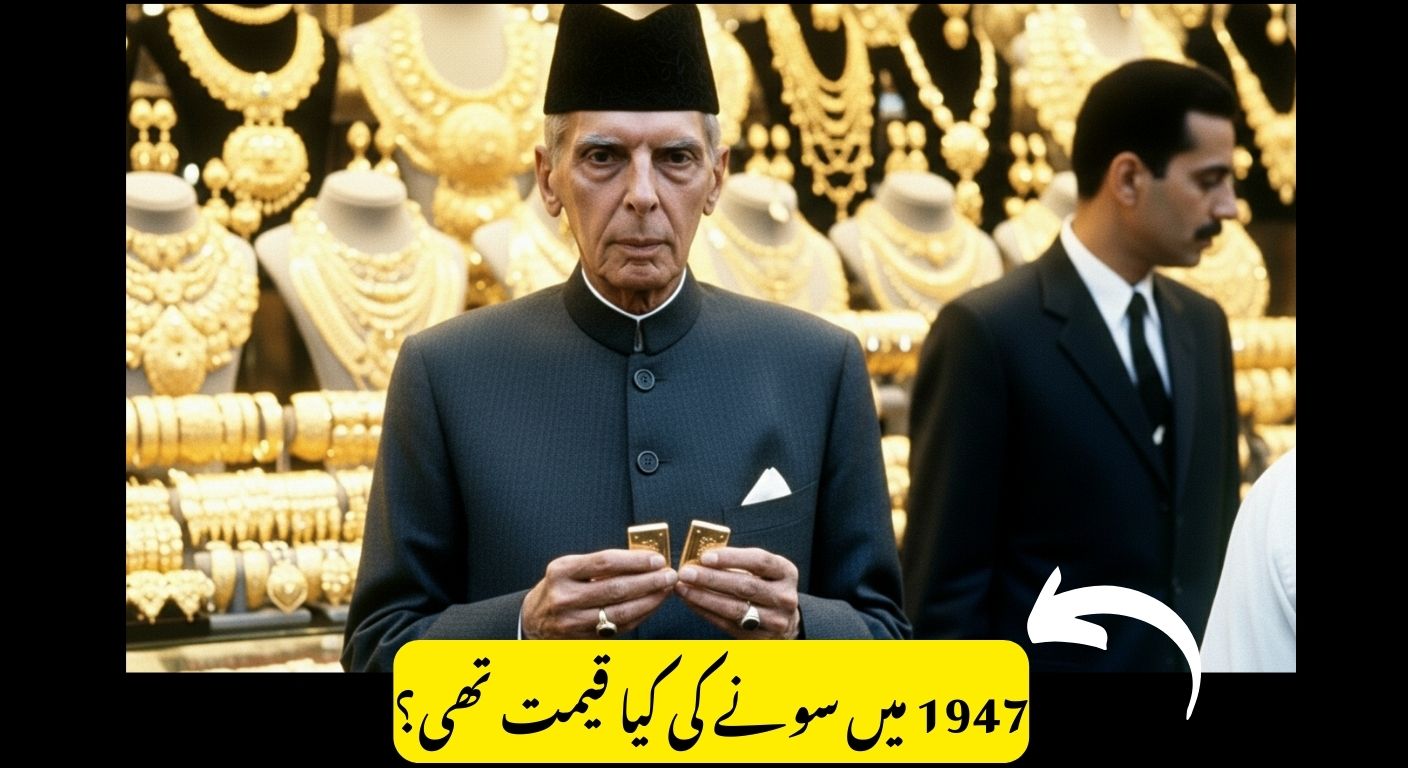
Gold has always been more than just a metal in Pakistan. It represents wealth, security, tradition, and social status. From weddings and dowries to long-term savings, gold plays an important role in almost every Pakistani household. But if we look back to 1947 — the year Pakistan became independent — gold prices were unbelievably low compared to today.
This article explores the complete journey of gold prices in Pakistan from 1947 to 2026 and explains why gold has become so expensive over time.
Pakistan in 1947 – A New Beginning
When Pakistan gained independence in August 1947, the country’s economic structure was very different from today.
At that time:

- The economy was small and agriculture-based.
- Most people worked in farming or small businesses.
- Industrial development was limited.
- There were no modern stock markets or investment platforms.
Gold was mainly used for:
- Weddings
- Dowries
- Gifts
- Emergency savings
People did not buy gold as a financial investment. Instead, it was considered a safe traditional asset that could be stored at home.
Gold Price in 1947
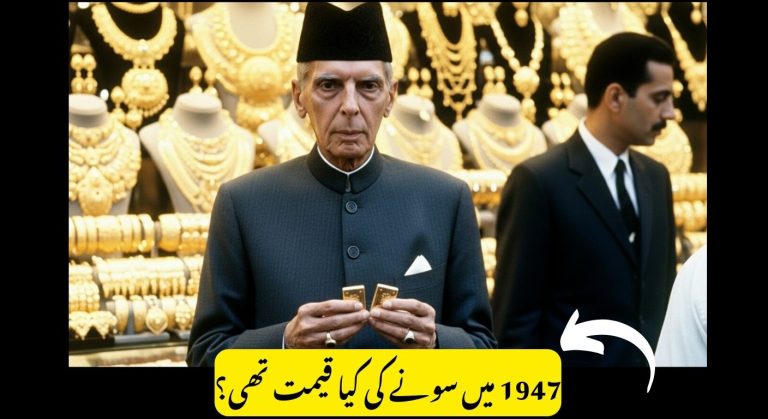
At the time of independence, the price of pure 24-karat gold was extremely affordable compared to today.

1 tola (24K gold) = Rs. 57–59
(A tola equals approximately 11.66 grams, a traditional unit still used in Pakistan.)
To understand how affordable this was:

- Rs. 57 in 1947 had strong purchasing power.
- Many middle-class families could buy small amounts of gold.
Today, gold costs more than Rs. 540,000 per tola, showing how dramatically prices have increased over nearly eight decades.
Gold Price Timeline (1947–2026)
Here is a simplified overview of gold prices per tola in Pakistan over the years:
| Year | Gold Price (PKR per tola) |
|---|---|
| 1947 | Rs. 57 |
| 1950 | Rs. 65 |
| 1965 | Rs. 100 |
| 1972 | Rs. 250 |
| 1981 | Rs. 2,000 |
| 1991 | Rs. 5,000 |
| 2000 | Rs. 8,000 |
| 2010 | Rs. 37,000 |
| 2020 | Rs. 113,000 |
| 2025 | ~Rs. 365,000 |
| 2026 | ~Rs. 542,000 |
This timeline clearly shows the powerful upward trend in gold prices.
Major Turning Points in Gold Prices
1970s – Oil Crisis Era
During the 1970s, global oil crises and economic instability increased gold demand worldwide. Investors began buying gold as a safe asset, causing prices to rise sharply.
1980s and 1990s – Economic Changes
As Pakistan’s economy developed and inflation increased, gold prices continued rising. During this period, many families began viewing gold as a stronger savings tool.

2008 Global Financial Crisis
The worldwide financial crisis pushed investors toward safe assets like gold. This caused another major increase in prices globally, including in Pakistan.
2020 COVID-19 Pandemic
During the pandemic, economic uncertainty increased demand for gold once again. Prices surged to record highs.
Why Did Gold Become So Expensive?
Several important factors explain the dramatic rise in gold prices:
1️⃣ Inflation
Over time, inflation reduces the value of money. As the Pakistani Rupee lost purchasing power, gold prices in rupees naturally increased.
For example:

- Rs. 57 in 1947 had high value.
- Today, Rs. 57 cannot buy even basic items.
This shows how inflation affects currency value over decades.
2️⃣ Global Gold Market
Gold is traded internationally in US dollars. When global gold prices rise, local prices in Pakistan also increase.
Since Pakistan imports gold, global trends directly impact domestic prices.
3️⃣ Weak Pakistani Rupee
Gold is priced globally in dollars. When the Pakistani Rupee weakens against the US Dollar, gold becomes more expensive locally — even if global prices remain stable.
A weaker rupee means higher gold prices in Pakistan.

4️⃣ Economic Uncertainty
During crises, people lose confidence in paper currency and stock markets. Gold is considered a “safe haven” asset, so demand increases during uncertain times.
Major events that boosted gold demand include:
- Oil crises
- Financial market crashes
- Political instability
- Global pandemics
5️⃣ Cultural Demand in Pakistan
In Pakistan, gold demand remains consistently high because of:
- Weddings and bridal jewelry
- Religious and cultural traditions
- Family savings habits
This strong local demand also supports rising prices.
What This 80-Year Growth Shows
The increase from Rs. 57 per tola in 1947 to over Rs. 542,000 in 2026 highlights several key realities:
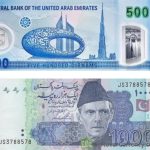
- Inflation significantly reduces currency value over time.
- The Pakistani Rupee’s purchasing power has declined.
- Gold maintains long-term value.
Families who purchased gold decades ago now own assets worth millions of rupees
A Simple Comparison
Imagine buying something for Rs. 1 in 1947. Today, that same item might cost Rs. 100 or more.
Gold followed a similar pattern — but on a much larger scale.
A small gold ornament purchased in 1947 could now be worth a life-changing amount.
Why People Still Buy Gold in 2026
Even in 2026, gold remains extremely popular in Pakistan because:

✔ It is essential for weddings and social traditions.
✔ It works as long-term savings.
✔ It protects wealth against inflation.
✔ It is easy to sell during emergencies.
✔ It provides financial security to families.
Unlike paper currency, gold has physical value and global acceptance.
Gold as an Investment Today
In modern Pakistan, people buy gold in different forms:
- Jewelry
- Gold bars
- Gold coins
- Investment certificates
Many investors now include gold in their financial planning to protect against inflation and economic uncertainty.
Conclusion
In 1947, 24K gold cost only Rs. 57 per tola — affordable for many families at that time. Over the next 79 years, inflation, global market changes, economic crises, and currency depreciation caused prices to rise steadily.

By 2026, gold prices have crossed Rs. 540,000 per tola, reflecting nearly eight decades of economic transformation.
This historical journey proves one important lesson: while currencies may lose value over time, gold has consistently preserved wealth. That is why gold continues to shine brightly in Pakistani households — not only as jewelry but also as a powerful symbol of financial security.