A New Era of High-Speed Travel: Pakistan Confirms 2026 Bullet Train Project Nationwide
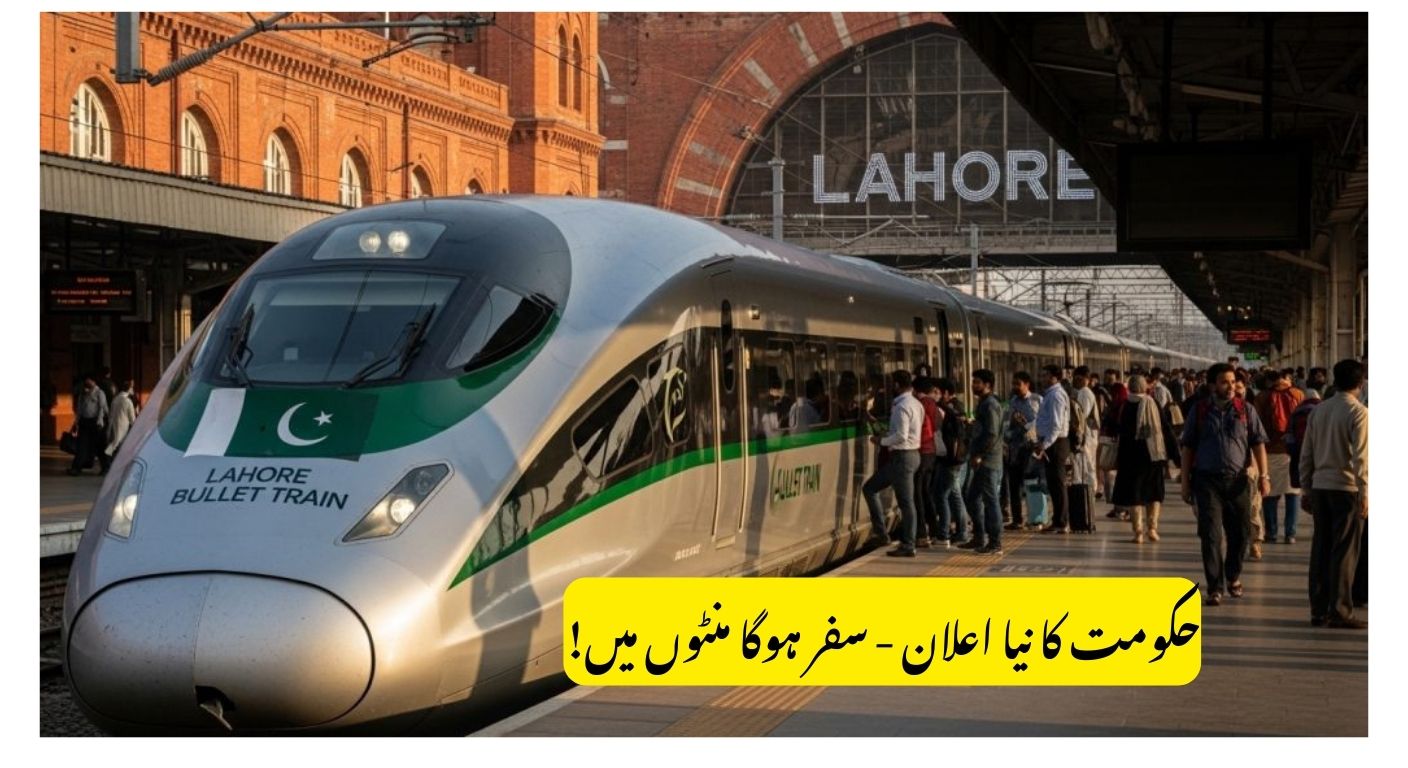
Pakistan is preparing for one of the largest transport upgrades in its history. In 2026, early construction and planning for a high-speed bullet train are expected to move forward, connecting major cities with fast, modern, and safe rail travel.

If completed successfully, traveling across the country will become much quicker, more comfortable, and convenient for both business and leisure purposes.
What Is a Bullet Train?
A bullet train is a high-speed train that runs significantly faster than conventional trains. Using modern tracks, powerful engines, and advanced signaling systems, it can drastically reduce travel times.
Current Travel Times vs Bullet Train (Karachi to Lahore):

| Mode | Time |
|---|---|
| Regular Train | 18–22 hours |
| Bullet Train | Around 5 hours |
This allows passengers to cover long distances in a few hours instead of a full day.
Main Route of the Bullet Train
The planned route follows Pakistan’s Main Line-1 (ML-1), connecting major cities:
- Karachi Cantonment
- Hyderabad
- Multan
- Sahiwal
- Lahore Junction
Total Distance: Approximately 1,215 kilometers

This route links Pakistan’s biggest business, industrial, and population centers, greatly improving intercity connectivity.
Connection with CPEC
The project is part of the China-Pakistan Economic Corridor (CPEC). China will provide technical support, modern technology, and training to help Pakistan achieve international railway standards.
Estimated Cost
Building a high-speed railway requires a significant investment:

- Total Cost: Around 6.8 billion USD
- Includes: new tracks, double rail lines, strong bridges, modern signaling systems, safety upgrades, and high-speed trains
Despite the high cost, the long-term benefits are expected to outweigh the investment.
Speed and Travel Time
- Maximum Speed: Up to 250 km/h
- Travel Comparison:
| Route | Current Train Time | Bullet Train Time |
|---|---|---|
| Karachi to Lahore | 18–22 hours | Around 5 hours |
Project Timeline (Expected)
| Year | Milestone |
|---|---|
| 2025 | Studies and planning completed |
| 2026 | Construction begins |
| 2029 | Testing and trial runs |
| 2030 | Commercial service launch |
Dates may shift depending on funding, approvals, and construction speed.
Estimated Ticket Prices
- Economy / Business Class: PKR 5,000 – 10,000
- Expected to be cheaper than flights, faster than buses, and more comfortable for families.
Benefits for Pakistan
- Faster Travel:
- Same-day trips for work or family visits
- Saves time and energy
- Job Creation:
- Thousands of construction, engineering, railway, and maintenance jobs
- Economic Boost:
- Faster movement of goods
- Reduced transport costs
- Increased trade between cities
- Less Pressure on Roads and Airports:
- Fewer long-distance buses
- Less congestion and pollution
- Reduced traffic accidents
Punjab Regional Bullet Train Idea
The Punjab Government is exploring a Lahore–Rawalpindi bullet train:
- Expected travel time: ~2.5 hours
- Benefits: Faster city-to-city travel, business growth, and tourism boost
- Still in early planning stages
Challenges
- Old Railway System: Requires complete modernization
- Funding Issues: Billions of dollars needed
- Approvals Needed: Some contracts and plans are still under discussion
Status in 2026
- The project is officially planned and discussed
- Studies and proposals exist
- Construction contracts and final approvals are still in progress
The bullet train is not a rumor, but full operations are expected only after construction and testing phases are complete.
Why It Matters
A successful bullet train can:
- Revolutionize travel in Pakistan
- Bring cities closer together
- Improve quality of life for citizens
- Showcase Pakistan’s progress to the world
Final Thoughts
The Pakistan Bullet Train Project 2026 represents a bold vision for modern, high-speed travel. While commercial service may start around 2030, current planning and early construction are crucial steps toward transforming Pakistan’s rail network.