Gold Price in Pakistan (1947–2026): A Complete Historical Timeline with Economic Trends and Market Analysis
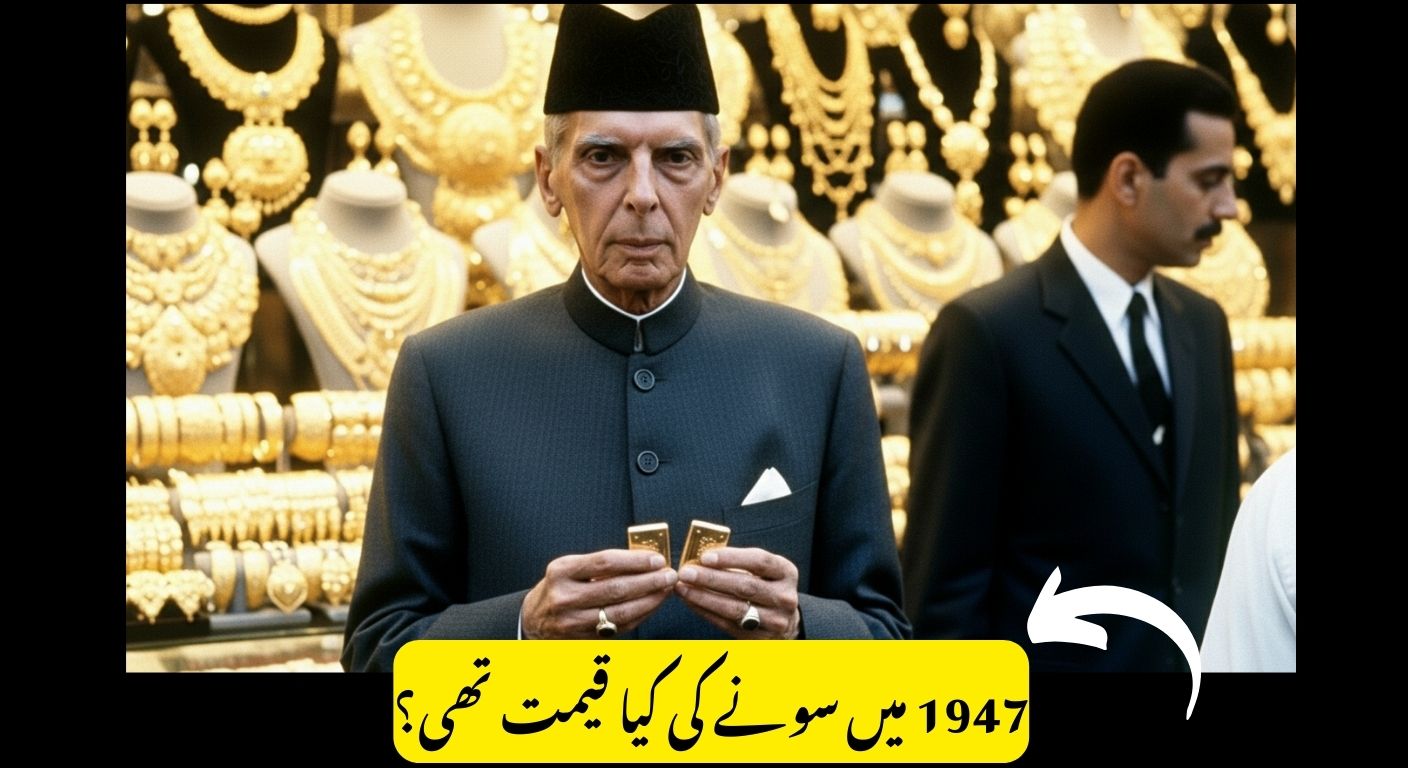
Gold has always held a special place in Pakistan. It is not just a precious metal; it represents financial security, tradition, honor, and long-term savings. From weddings and dowries to emergency funds, gold has remained an essential part of Pakistani households since independence.
This article presents a clear and updated overview of gold prices in Pakistan from 1947 to 2026, along with the key economic and global factors that shaped its journey.
Pakistan in 1947: Economic Background
When Pakistan became independent in August 1947, the country had:
- A small, agriculture-based economy
- Limited industrial development
- No advanced financial markets
- Minimal foreign exchange reserves
At that time, gold was mainly used for:
- Wedding jewelry
- Dowries
- Family gifts
- Emergency savings
People did not buy gold for investment returns. Instead, it was considered a safe physical asset that could be stored at home.
Gold Price in 1947
At the time of independence:
- 1 tola (24K gold) = Rs. 57–59
- 1 tola = approximately 11.66 grams
This price seems extremely low today, but the purchasing power of money was very strong at that time.
For example:
- Rs. 57 in 1947 could buy significant household goods.
- Middle-class families could afford small amounts of gold.
In 2026, gold prices have crossed approximately Rs. 540,000 per tola, showing an extraordinary rise over nearly 80 years.
Gold Price Timeline (1947–2026)
Below is a simplified historical overview of average gold prices per tola in Pakistan:
| Year | Approximate Price (PKR per tola) |
|---|---|
| 1947 | Rs. 57 |
| 1950 | Rs. 65 |
| 1965 | Rs. 100 |
| 1972 | Rs. 250 |
| 1981 | Rs. 2,000 |
| 1991 | Rs. 5,000 |
| 2000 | Rs. 8,000 |
| 2010 | Rs. 37,000 |
| 2020 | Rs. 113,000 |
| 2025 | ~Rs. 365,000 |
| 2026 | ~Rs. 540,000+ |
The table clearly shows a long-term upward trend, especially after 2000.
Major Turning Points in Gold Prices
1. 1970s – Global Oil Crisis
During the 1970s, global oil crises created economic instability worldwide. Investors began buying gold as a safe asset. This sharply increased global gold prices, and Pakistan also experienced price growth.
Gold started being seen not only as jewelry but also as financial protection.
2. 1980s–1990s – Inflation and Economic Changes
During this period:
- Inflation increased steadily.
- The Pakistani Rupee gradually weakened.
- Economic reforms and financial market expansion occurred.
Families increasingly viewed gold as a secure savings tool rather than just wedding jewelry.

3. 2008 Global Financial Crisis
The 2008 financial crisis created global uncertainty. Investors worldwide moved their money into safe assets like gold.
As a result:
- International gold prices rose sharply.
- Local prices in Pakistan followed the global trend.
This marked a strong upward movement in gold value.
4. 2020 – COVID-19 Pandemic
The pandemic created worldwide economic fear and uncertainty. Businesses closed, stock markets fluctuated, and currencies weakened.
Gold demand increased again, pushing prices to record levels globally and in Pakistan.

Why Did Gold Become So Expensive?
Several economic and global factors explain the dramatic increase in gold prices.
1. Inflation Over Time
Inflation reduces the value of currency.
For example:
- Rs. 57 in 1947 had strong purchasing power.
- Today, Rs. 57 cannot buy basic daily items.
As the rupee lost value over decades, gold prices naturally increased in rupee terms.
Gold maintained its value, while currency value declined.
2. Global Gold Market
Gold is traded internationally in US dollars. Pakistan imports most of its gold.
When global gold prices increase:
- Pakistani prices also rise.
- International demand directly impacts local markets.
Global economic conditions strongly influence local gold rates.
3. Depreciation of the Pakistani Rupee
Gold is priced in dollars internationally. If the Pakistani Rupee weakens against the US dollar:
- Gold becomes more expensive in Pakistan.
Even if global prices stay stable, a weaker rupee increases local gold prices.
Currency depreciation has played a major role, especially after 2018.
4. Economic and Political Uncertainty
Gold is considered a “safe haven” asset.
During:
- Political instability
- Financial market crashes
- Global crises
- Regional tensions
Investors prefer gold because it holds long-term value.
5. Cultural and Social Demand in Pakistan
In Pakistan, gold demand remains strong because of:

- Wedding traditions
- Bridal jewelry customs
- Dowry practices
- Family savings culture
Unlike many Western countries, gold buying in Pakistan is heavily influenced by tradition.
This constant demand supports higher prices.
80-Year Growth: What It Shows
The increase from Rs. 57 in 1947 to over Rs. 540,000 in 2026 highlights important economic lessons:
- Inflation significantly reduces currency value over time.
- The Pakistani Rupee has lost substantial purchasing power.
- Gold preserves long-term value.
- Families who bought gold decades ago now own highly valuable assets.
For example, a small gold ornament bought in the 1960s could now be worth hundreds of thousands of rupees.
Gold as an Investment in 2026
Today, gold is purchased in multiple forms:

- Jewelry
- Gold bars
- Gold coins
- Digital gold accounts
- Investment certificates
Modern investors often include gold in their portfolios to:
- Protect against inflation
- Diversify risk
- Hedge against currency depreciation
Gold vs Currency: A Simple Comparison
Imagine buying an item for Rs. 1 in 1947. Today, that same item might cost Rs. 100 or more due to inflation.
Gold followed a similar pattern — but at a much larger scale.
This demonstrates how gold protects wealth over the long term compared to paper currency.
Why People Still Buy Gold in 2026
Even in 2026, gold remains popular because:
- It is essential for weddings.
- It serves as emergency savings.
- It protects against inflation.
- It is easy to sell when needed.
- It provides financial security to families.
Gold is globally accepted and physically valuable, unlike paper money which depends on economic stability.
Final Conclusion
From Rs. 57 per tola in 1947 to over Rs. 540,000 per tola in 2026, gold’s journey reflects nearly eight decades of economic transformation in Pakistan.
Inflation, global crises, currency depreciation, and strong cultural demand have all contributed to rising prices.