Pakistan Government Launches Rs 10,000 Ramadan Relief Program for Millions in 2026
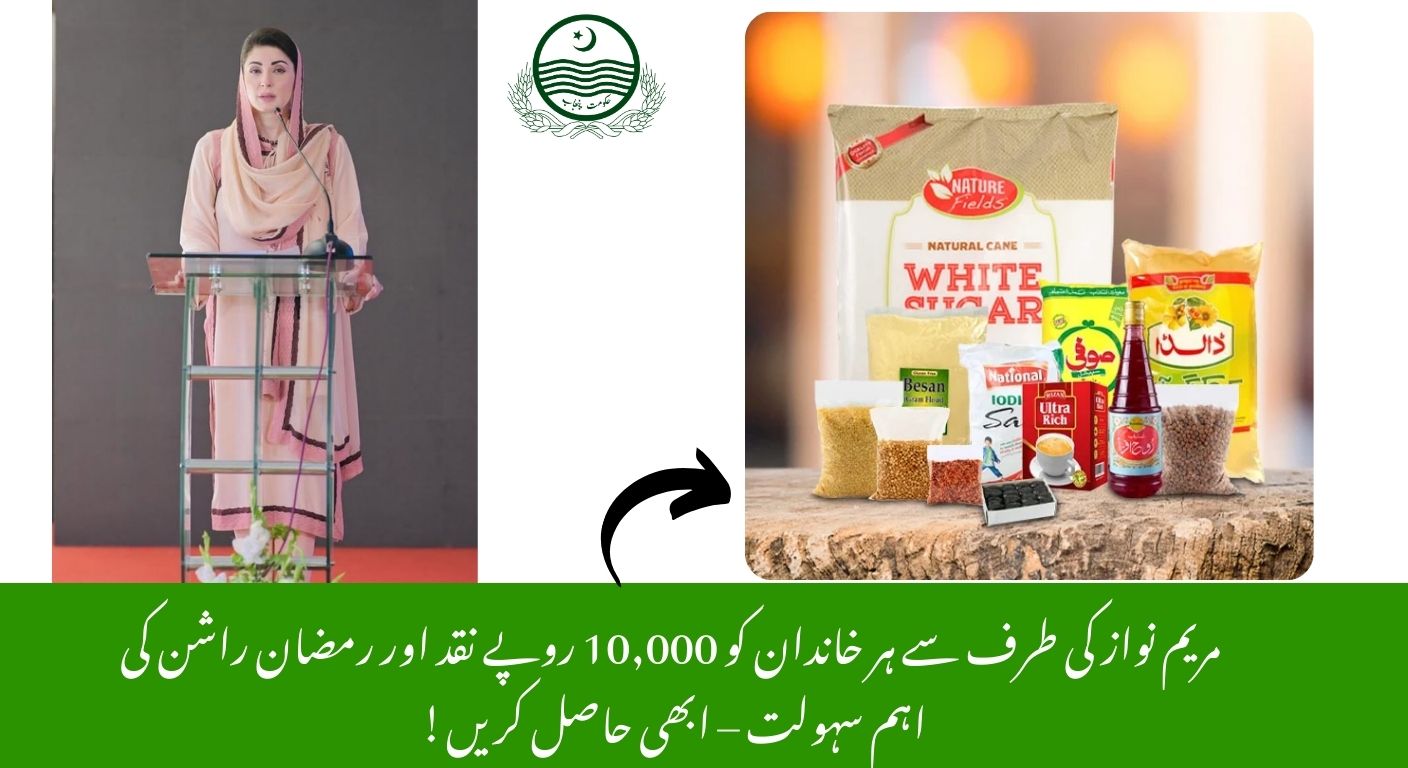
The Government of Punjab has introduced a large-scale financial assistance initiative to support low-income families during the holy month of Ramadan. The program, named the Ramadan Nigehban Package, aims to provide direct cash assistance of Rs. 10,000 to millions of deserving households across the province.
With inflation and rising food prices increasing the financial burden on families, especially during Ramadan, this relief program is designed to reduce pressure and help citizens manage essential expenses with dignity and ease.
Total Budget and Number of Beneficiaries
The Ramadan relief initiative is considered one of the largest welfare programs launched in Punjab for a religious occasion.
The total budget allocated for the scheme is:
| Category | Details |
|---|---|
| Total Budget | Rs. 47 Billion |
| Families Benefiting | 4.2 Million |
| Assistance Per Family | Rs. 10,000 |
Under this plan, approximately 4.2 million families will receive Rs. 10,000 each. The government expects that this financial assistance will help families purchase food items, kitchen supplies, and daily necessities required for Sehri and Iftar.
Leadership and Approval Process
The program was approved during a high-level meeting chaired by Maryam Nawaz. Senior officials from finance, social welfare, and information technology departments participated in the planning and review process.
During the meeting, the leadership emphasized three main priorities:

- Transparency in fund distribution
- Fair access for deserving families
- Timely and smooth delivery of assistance
The objective is not only to distribute money but also to ensure the system is organized, respectful, and free from corruption.
Who Is Eligible for the Program?
The Ramadan Nigehban Package mainly targets financially vulnerable groups in Punjab.
Eligible categories include:

- Low-income households
- Daily wage laborers
- Widows
- Senior citizens with limited income
- Families already registered in welfare programs
- Ration card holders
These groups often face additional financial strain during Ramadan due to increased food consumption and rising market prices. The Rs. 10,000 support allows families to decide independently how to spend the money based on their immediate needs.
Introduction of the Nigehban Card
To ensure efficient and transparent distribution, the government has introduced the Nigehban Card system. More than two million cards will be issued to beneficiaries.
The Nigehban Card functions similarly to a debit card and allows recipients to:
- Withdraw cash from Bank of Punjab branchless banking agents
- Use ATMs connected to the One-Link network
- Make purchases from authorized retailers
By using digital cards instead of physical cash handouts, the government aims to prevent long queues, reduce mismanagement, and avoid duplication or fraud.
Card Activation Centers Across Punjab
To help beneficiaries activate and use their cards properly, 136 activation centers will be established across the province.

These centers will provide:
- Assistance with card activation
- Guidance on withdrawing cash
- Help with balance checking
- Support for elderly or digitally inexperienced individuals
This step ensures that families who are unfamiliar with banking systems can still access their funds without difficulty.
Digital Monitoring and Transparency
To maintain accountability, the government has introduced a digital monitoring system called the Ramadan Nigehban Dashboard.
The dashboard will:
- Track the number of cards issued
- Monitor how many families have received funds
- Identify areas facing delays
- Detect possible irregularities
This real-time tracking system reduces the risk of corruption and allows authorities to respond quickly if issues arise.
Special Support for Ration Card Holders
Families who already possess government-issued ration cards will also benefit from this program.
Under the new policy:
| Category | Previous Support | New Ramadan Support |
|---|---|---|
| Ration Card Holders | Rs. 3,000 | Rs. 10,000 |
This increase reflects the higher expenses families face during Ramadan. The government recognizes that food consumption and household spending rise significantly during the holy month.
Economic and Social Impact
The distribution of Rs. 47 billion into local communities is expected to create both social and economic benefits.
Economic Impact:
- Increased sales for grocery stores and markets
- Higher demand for food products
- Support for small retailers and farmers
- Strengthening of local supply chains
Social Impact:
- Reduced stress for struggling families
- Greater sense of inclusion and government support
- Improved trust between citizens and authorities
- Enhanced social harmony during Ramadan
By injecting funds directly into households, the program stimulates local markets while supporting vulnerable communities.
Measures to Ensure Fairness
To guarantee that assistance reaches only eligible families, strict verification procedures will be followed.
Key safeguards include:
- Cross-checking records with welfare databases
- Verification through official documentation
- Monitoring teams in different districts
- Digital tracking through centralized dashboards
Citizens are encouraged to report any misuse or irregularities. This public accountability mechanism strengthens transparency and fairness.

Long-Term Vision
The Punjab government considers the Ramadan Nigehban Package more than a one-time relief effort. It is seen as part of a broader plan to modernize social welfare systems.
Future goals include:
- Expanding digital payment methods
- Improving beneficiary databases
- Making welfare programs faster and more accessible
- Strengthening monitoring and evaluation systems
By adopting digital tools and structured verification processes, authorities aim to make future assistance programs more efficient and transparent.
Overall Summary
The Rs. 10,000 Ramadan Nigehban Package represents a major financial relief initiative for 4.2 million families across Punjab. With a total allocation of Rs. 47 billion, the program seeks to reduce financial pressure during Ramadan while maintaining dignity and transparency.
Through the introduction of digital Nigehban Cards, activation centers, and real-time monitoring systems, the government has attempted to ensure smooth and fair distribution.

For millions of families, this initiative provides not just financial support, but reassurance and stability during an important and spiritually significant month. If implemented effectively, the program could serve as a model for future welfare schemes across Pakistan.