US Dollar Rate in Pakistan Surges in Open Market, Gap Widens With Interbank
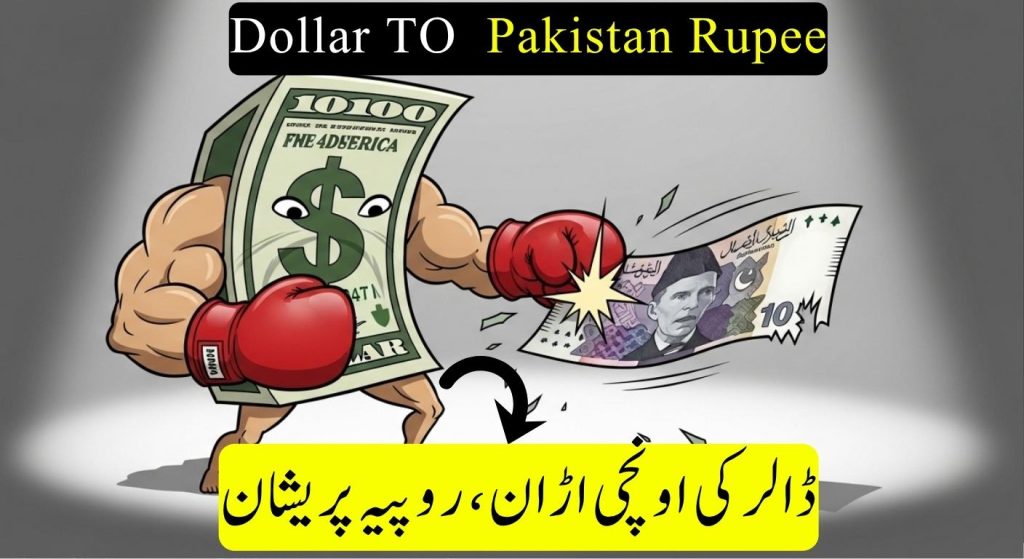
The US dollar recorded a sharp increase in Pakistan’s open currency market today, creating concern among traders, importers, and ordinary citizens. Currency dealers reported heavy buying pressure since the morning, pushing the dollar rate to a new short-term high.



The difference between the open market rate and the interbank rate has also widened, raising speculation about further volatility in the coming days.
Latest Dollar Rates – 27 February 2026 (Afternoon Update)
According to market sources, the US dollar is currently trading at the following levels:
| Market Type | Buying Rate (PKR) | Selling Rate (PKR) |
|---|---|---|
| Open Market | 287.80 – 288.10 | 288.50 – 289.00 |
| Interbank Market | 285.90 – 286.30 | Around 286.50 |
The gap between the interbank and open market rate is now approximately Rs. 2.50 to Rs. 3.00.


The interbank rate is regulated by commercial banks under the supervision of the State Bank of Pakistan, while the open market rate is influenced by supply and demand at exchange companies.
Situation in Major Cities
Currency dealers in major commercial centers reported unusual activity during the day.
In key exchange markets such as:
- Karachi – Saddar area
- Lahore – Anarkali market
- Islamabad – Blue Area
several exchange companies indicated limited availability of small dollar notes by early afternoon. Some dealers reportedly stopped selling smaller quantities due to high demand and uncertainty about further price movement.
This sudden rush created pressure on the open market rate within just a few hours.
Reasons Behind the Sudden Increase
Currency market experts and exchange dealers highlighted three main factors contributing to today’s rapid rise:
- Heavy Import Payments
Importers reportedly booked large amounts of dollars for February shipments. Increased demand from businesses purchasing raw materials and goods raised pressure on the market. - Slower Remittance Inflows
Overseas remittances appeared slightly slower this week compared to previous weeks. When dollar inflows decrease and demand rises, rates typically move upward. - Speculative Buying
Some large traders began purchasing dollars in anticipation of further increases next week. This kind of speculative activity often accelerates short-term volatility.
Because these factors occurred simultaneously, the rate climbed quickly within three to four hours.
Impact on Ordinary Citizens
The rising dollar rate affects multiple segments of society, not just traders and investors.
Here are some examples of how it impacts daily life:
| Situation | Estimated Impact |
|---|---|
| $1,000 remittance received | Rs. 3,500–4,200 less compared to last week |
| Student paying overseas fee | Extra Rs. 12,000–15,000 cost |
| Small importer shipment | Rs. 35,000–50,000 additional expense |
For families dependent on foreign remittances, sudden fluctuations can reduce the total rupee amount they receive. Importers face higher costs, which may later translate into increased prices of goods in local markets.
This is reportedly the third noticeable jump in the dollar rate within the past 20 days, increasing financial anxiety for many households.
Why the Open Market Moves Faster
The open market typically reacts more quickly than the interbank market because it is directly driven by real-time buying and selling activity.
Key characteristics of the open market include:
- Immediate reaction to demand changes
- Influence of cash availability
- Short-term speculative buying
- Sensitivity to rumors or expectations
In contrast, the interbank rate is more stable because it involves regulated transactions between commercial banks.
What Traders Expect Next
Market analysts believe that if the gap between interbank and open market rates remains above Rs. 3, authorities may issue a clarification or policy statement.
The State Bank of Pakistan closely monitors currency movement. If volatility continues, the central bank could:
- Increase dollar supply through banks
- Intervene in the market to stabilize rates
- Issue guidance to control speculation
However, no official statement has been released yet regarding today’s movement.
Practical Advice for Today
For individuals dealing with foreign currency transactions, experts suggest the following precautions:
- If urgently buying dollars, visit large and authorized exchange companies only.
- Compare rates before making a transaction.
- Avoid dealing with unverified WhatsApp or Telegram agents.
- If expecting remittance, monitor rates closely before conversion.
- Do not panic-buy unless absolutely necessary.
Rapid increases are sometimes followed by minor corrections within 24 to 48 hours, depending on market supply.
Broader Economic Context
The value of the Pakistani rupee against the US dollar is influenced by several broader economic factors:
- Trade deficit levels
- Foreign exchange reserves
- Remittance inflows
- Import volume
- Investor confidence
When dollar demand exceeds supply, the rupee weakens. Stability generally returns when inflows improve or policy measures are introduced.
Conclusion
The US dollar has reached a new short-term high in Pakistan’s open market, with selling rates touching nearly Rs. 289. The widening gap between open market and interbank rates reflects strong demand and limited short-term supply.
While the situation remains fluid, market observers are closely watching for any response from financial authorities. For now, individuals and businesses are advised to rely on official exchange counters and avoid speculative decisions.
Currency markets can change quickly, so staying informed through reliable banking sources and official updates remains essential during periods of volatility.