Petrol & Diesel Prices Likely to Increase from 1st March 2026 – Full Update and Impact Analysis
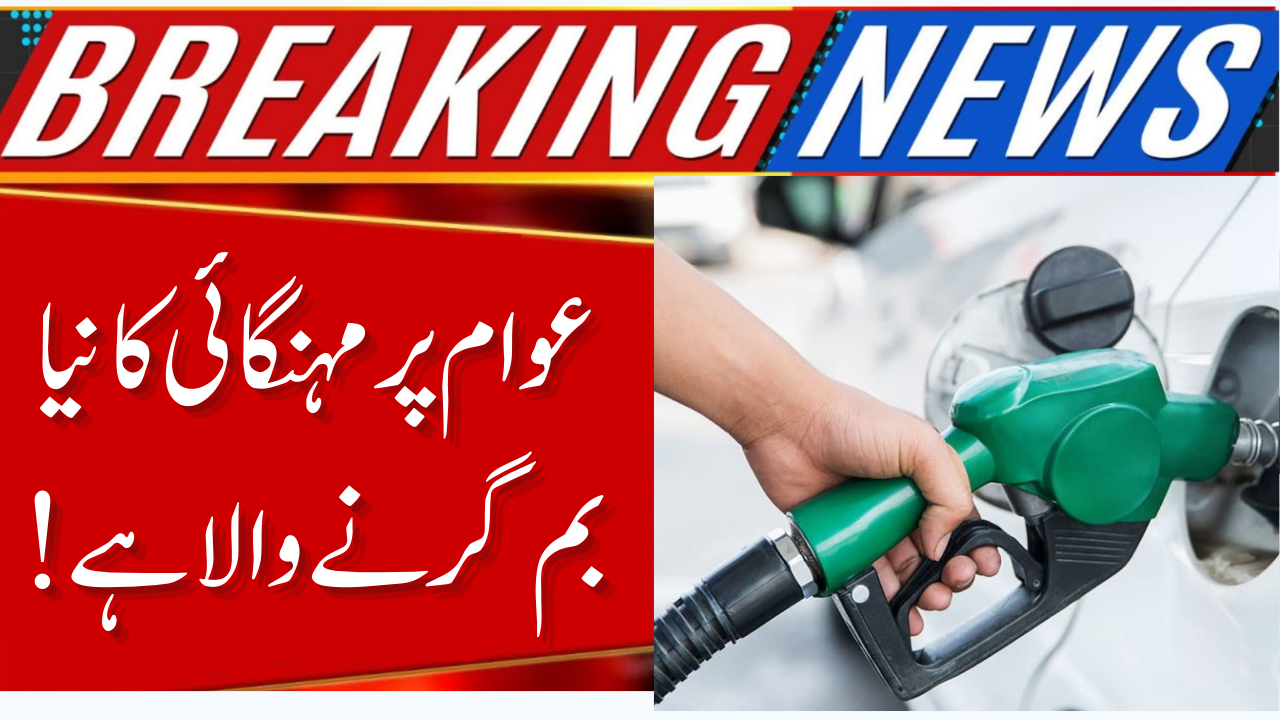
Petroleum product prices in Pakistan are expected to increase from 1st March 2026, following a proposed revision submitted for government approval. According to market estimates shared by Arif Habib Limited, the increase could reach up to Rs. 6.8 per litre, mainly due to rising international oil prices and adjustments in import costs.
If approved, the new fuel rates will directly impact consumers, transporters, and businesses across the country.
Expected New Petrol and Diesel Prices
Based on current projections, the revised prices may look like this:
| Fuel Type | Current Price (Rs/Litre) | Expected Increase | Expected New Price |
|---|---|---|---|
| Motor Spirit (Petrol) | 258.17 | +5.13 | 263.30 |
| High-Speed Diesel (HSD) | 275.70 | +6.80 | 282.50 |
These changes are expected to take effect from March 1, 2026, once officially approved by the federal government.

Why Are Fuel Prices Increasing?
The proposed increase is primarily linked to developments in the global oil market. Several key factors have contributed to the expected price hike:
1. Rise in International Oil Prices
Global crude oil prices have shown an upward trend in recent days. In particular, Arab Light crude reportedly increased by around 2.7 percent. Since Pakistan imports a significant portion of its petroleum products, any rise in international prices directly affects domestic rates.
2. Higher Import and Freight Costs
Apart from crude oil prices, shipping and freight charges can also increase the landed cost of petroleum products. Even minor fluctuations in these costs can result in price revisions locally.

3. Adjustments in Spreads and Margins
A slight increase in distribution and marketing spreads has also contributed to the overall price hike. These spreads cover the margins for oil marketing companies and dealers.
Previous Fuel Price Adjustment
In the last fortnightly review, the government had already increased fuel prices:
- Petrol: Increased to Rs. 258.17 per litre
- High-Speed Diesel: Increased to Rs. 275.70 per litre
The upcoming revision, if implemented, would further raise prices, continuing the upward trend observed in recent weeks.

Impact on the Public
Fuel price changes have a wide-ranging impact on the economy and daily life. Even a small increase per litre can affect millions of people across Pakistan.
1. Transportation Costs
Petrol is mainly used in motorcycles, cars, and small vehicles, while diesel is widely used in buses, trucks, and agricultural machinery. An increase in diesel prices particularly affects:
- Public transport fares
- Goods transportation costs
- Agricultural production expenses
Transporters often pass on increased fuel costs to passengers and consumers.
2. Prices of Essential Goods
Since diesel powers most cargo and supply vehicles, higher diesel prices can raise the cost of transporting food, construction materials, and daily-use products. This may result in slight increases in market prices.
3. Household Budgets
For middle-income and salaried families, fuel is a major monthly expense. An increase of Rs. 5 to Rs. 7 per litre may seem small but can add significant cost over a month, especially for daily commuters.

Possible Economic Effects
Fuel prices are closely linked with inflation in Pakistan. When petroleum prices rise:
- Inflationary pressure increases
- Transportation and logistics costs go up
- Businesses may adjust product prices
However, the government sometimes balances price hikes by adjusting petroleum levy or taxes to reduce the burden on consumers. Whether such relief will be provided this time remains to be seen.
Will the Government Approve the Full Increase?
The final decision rests with the federal government. Authorities review several factors before approving new rates:
- International oil market trends
- Exchange rate movement
- Fiscal targets and revenue needs
- Public reaction and inflation concerns
In some cases, the government partially absorbs the increase instead of passing the full burden to consumers.
What Should Consumers Do?
While fuel prices are beyond individual control, consumers can take certain steps to manage expenses:

- Avoid unnecessary travel
- Maintain vehicles for better fuel efficiency
- Use carpooling where possible
- Monitor official announcements before March 1
Staying informed helps households and businesses plan their budgets more effectively.
Outlook for March 2026
The expected increase in petrol and diesel prices reflects ongoing volatility in global oil markets. If international crude prices continue rising, further adjustments may follow in upcoming reviews. On the other hand, a decline in global rates could provide relief in the next cycle.
Energy analysts suggest keeping an eye on:
- Global crude oil trends
- Regional geopolitical developments
- Currency exchange rate movements
These factors heavily influence local fuel pricing.
Conclusion
Petrol and diesel prices in Pakistan are likely to increase from 1st March 2026, with petrol expected to rise by Rs. 5.13 per litre and diesel by Rs. 6.8 per litre. The primary reason behind this adjustment is the rise in international crude oil prices and associated import costs.

If approved, the new rates will impact transportation, household budgets, and potentially the prices of essential goods. Citizens are advised to prepare for slightly higher fuel expenses while awaiting the government’s final announcement.