1 USD to PKR in 1947 Pakistan Currency Changed Since 1947
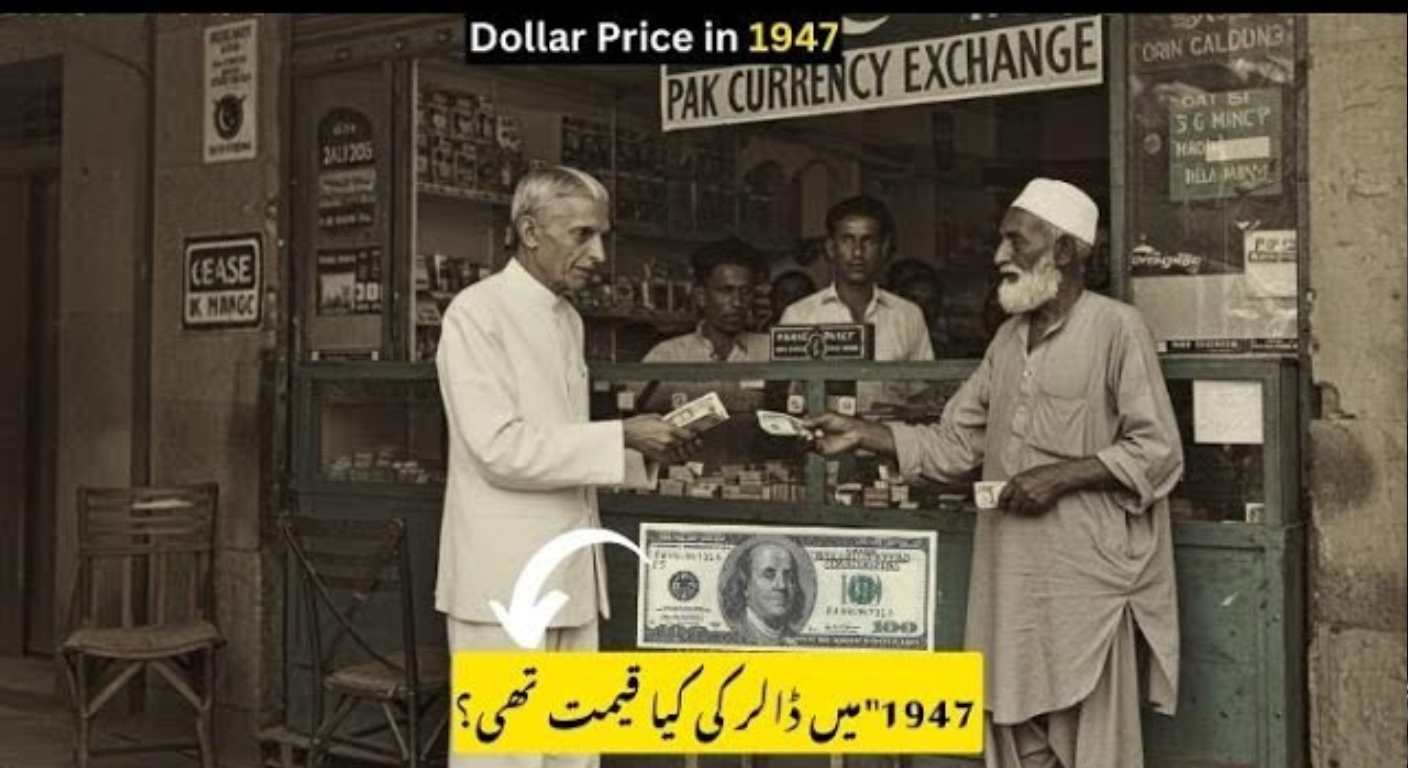
The exchange rate of the US Dollar (USD) against the Pakistani Rupee (PKR) reflects the overall direction and strength of Pakistan’s economy. When Pakistan became independent in 1947, the Rupee was strong. Over the years, it slowly lost value. Today in 2026, 1 USD is above 300 PKR.



Let’s understand this journey step by step with correct years.
1947–1948: Beginning of Pakistan’s Currency
Pakistan became independent on 14 August 1947.
At first, Pakistan did not have its own printed money. It used Indian Rupees with a Pakistan stamp.

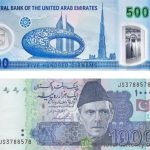

In July 1948, the State Bank of Pakistan (SBP) was established, and Pakistan officially started issuing its own currency.
At that time:
1 USD = 3.31 PKR
The Rupee was strong because:
- Pakistan had very low foreign debt.
- Imports were limited.
- The exchange rate system was fixed.
- The global Bretton Woods system kept currencies stable.
1950s: Stable Period (1950–1959)
During the 1950s, the exchange rate remained mostly stable.
Around 1950–1959:
1 USD ≈ 3.31 PKR
The government controlled the exchange rate, so there were no big changes.
1960s: First Adjustment (1960–1969)
In 1960, the Rupee was revalued and adjusted.
By the mid-1960s:
1 USD ≈ 4.76 PKR
This was the first noticeable weakening of the Rupee.
Still, the exchange rate was controlled by the government.
1971–1972: Major Devaluation
After the 1971 war and separation of East Pakistan (now Bangladesh), Pakistan faced serious economic pressure.
In 1972, the government devalued the Rupee.
The rate changed sharply:
From 4.76 PKR per USD
To around 11 PKR per USD
This was one of the biggest drops in Pakistan’s history.
Pakistan also moved away from the fixed exchange rate system.
1980s: Gradual Weakening (1980–1989)
During the 1980s:
- Pakistan took more foreign loans.
- Imports increased.
- Inflation started rising.
Around:
1980 → 1 USD ≈ 9.90 PKR
1985 → 1 USD ≈ 16 PKR
The Rupee slowly lost value.
1990s: Faster Decline (1990–1999)
In the 1990s, political instability and economic challenges increased.
1990 → 1 USD ≈ 21 PKR
1995 → 1 USD ≈ 31 PKR
1999 → 1 USD ≈ 52 PKR
Sanctions after nuclear tests in 1998 also affected the economy.
2000–2007: Temporary Stability
In the early 2000s, the government managed to stabilize the economy for some time.
2000 → 1 USD ≈ 52 PKR
2005 → 1 USD ≈ 60 PKR
2007 → 1 USD ≈ 60–62 PKR
During this period, the Rupee was relatively stable compared to previous decades.
2008–2017: Gradual Increase
After 2008, global financial crisis and internal problems affected Pakistan.
2010 → 1 USD ≈ 85 PKR
2013 → 1 USD ≈ 100 PKR
2015 → 1 USD ≈ 105 PKR
2017 → 1 USD ≈ 110 PKR
The Rupee slowly weakened again.
2018–2023: Rapid Depreciation
After 2018, the Rupee started falling quickly due to:
- High imports
- Low foreign reserves
- IMF programs
- Political instability
2018 → 1 USD ≈ 121 PKR
2020 → 1 USD ≈ 160 PKR
2022 → 1 USD ≈ 200+ PKR
2023 → 1 USD ≈ 285 PKR
This was one of the fastest declines ever recorded.
2024–2026: Crossing 300
In 2024, the Dollar crossed 300 PKR.
In 2025, the rate remained around 300+ depending on the market.
In 2026, the Dollar is still above 300 PKR (rate changes daily).
This means compared to 1947, the Rupee has lost more than 99% of its value over 79 years.
Why Did the Rupee Lose Value?
Here are the main reasons in simple words:
1. Inflation
When prices increase inside a country, money becomes weaker.
2. Trade Deficit
Pakistan imports more goods than it exports. This increases demand for Dollars.
3. Foreign Debt
Loans taken in Dollars must be repaid in Dollars. This creates pressure on PKR.
4. Political Instability
Frequent government changes reduce investor confidence.
5. Low Foreign Reserves
When Dollar savings are low, the currency weakens.
6. Shift to Market-Based Exchange Rate
Pakistan moved to a more flexible exchange rate system in the 1980s and fully market-based system later, allowing rates to rise and fall freely.
Simple Comparison
1947 → 1 USD = 3.31 PKR
2026 → 1 USD = 300+ PKR
This shows how much the Rupee has changed over time.
If someone needed 3 rupees to buy 1 Dollar in 1947, today they need more than 300 rupees.
What Can We Learn?
The history of USD to PKR teaches us:
- Strong economies protect their currency.
- High inflation weakens money.
- Political stability is important.
- Exports help strengthen currency.
- Managing debt carefully is necessary.
Final Conclusion
In 1947, Pakistan started with a strong currency and low debt. Over the decades, wars, inflation, trade deficits, foreign loans, and political instability slowly weakened the Rupee.
By 2026, 1 US Dollar costs more than 300 Pakistani Rupees.
The journey of USD to PKR is not just about numbers. It is the story of Pakistan’s economic history. By learning from the past, better economic planning can help create a more stable future.