Huge Gold Reserves Found in Indus River Near Attock — Estimated 2.8 Million Tolas
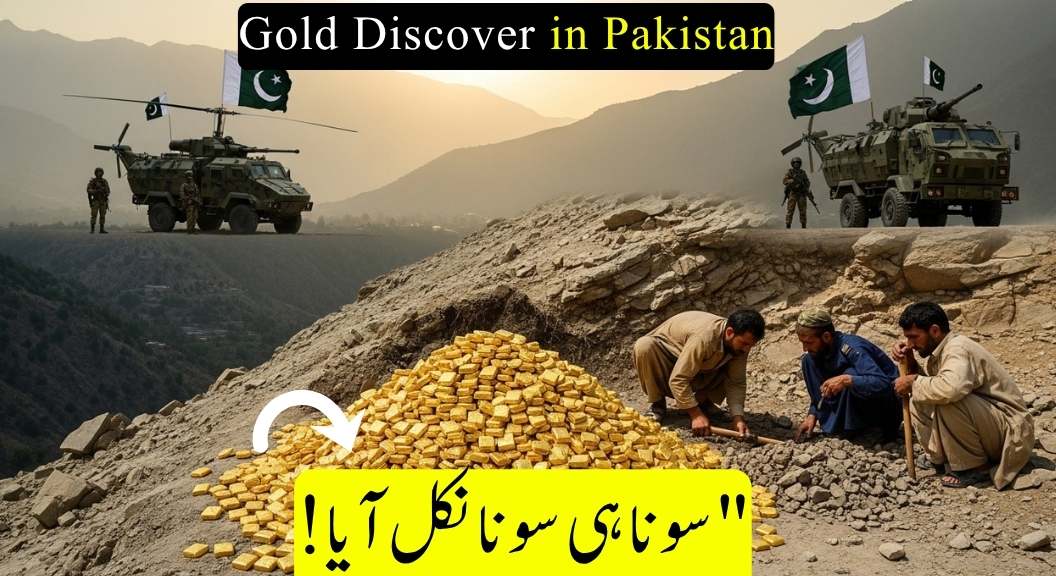
In an important development, officials have reported a major gold discovery in the Indus River close to Attock in Punjab. According to the Geological Survey of Pakistan (GSP), large quantities of gold particles have been identified in river sediments near the point where the Kabul River joins the Indus.



If the estimates prove accurate and proper mining plans are approved, this discovery could bring strong economic advantages to Pakistan in the coming years.
What Exactly Has Been Discovered?
After detailed field surveys and laboratory testing, experts have shared the following findings:
- Estimated Quantity: Around 2.8 million tolas of gold (approximately 32 metric tonnes).
- Estimated Worth: Roughly PKR 600 to 800 billion based on current gold prices.
- Type of Gold: Placer gold — tiny particles mixed with sand and gravel in the riverbed.
- Area Covered: About 32 kilometers of river stretch in Attock district.
Placer gold is found in river sediments rather than deep underground. This makes extraction potentially easier and less expensive compared to traditional mining methods that require heavy drilling.


How Was It Confirmed?
The Geological Survey of Pakistan carried out:
- Collection of hundreds of soil and sediment samples
- Laboratory testing and chemical analysis
- Technical evaluation reports
The Punjab mining authorities have reviewed the findings. Officials have also warned that illegal digging or unapproved mining activities in the area are strictly prohibited.
At this stage, discussions are focused on research, planning, and regulatory approvals. No full-scale commercial mining has started yet.
Why This Discovery Is Important
Pakistan has been facing economic pressures, including inflation, foreign debt, and limited foreign exchange reserves. If managed properly, this gold reserve could help improve the country’s financial situation.
1️⃣ Increase in Government Revenue
Gold extraction and export could generate significant income for the government.
2️⃣ Job Opportunities
Mining projects create employment in excavation, transport, refining, and support services.
3️⃣ Boost to Foreign Reserves
Gold exports could bring valuable foreign exchange into the country.
4️⃣ Growth of Mining Sector
A large discovery like this may attract both local and international investors and strengthen confidence in Pakistan’s mineral potential.
Key Details at a Glance
| Category | Information |
|---|---|
| Location | Indus River, Attock District |
| Gold Type | Placer gold in river sediments |
| Estimated Quantity | 2.8 million tolas (~32 tonnes) |
| Estimated Value | PKR 600–800 billion |
| Verified By | Geological Survey of Pakistan |
| Possible Impact | Revenue, jobs, economic growth |
What Happens Next?
Before mining can begin, several important steps must be taken:
Environmental Protection
Mining operations must protect the river ecosystem and nearby wildlife.
Transparent Investment Policy
The government needs clear rules for companies interested in extraction.
Community Benefits
Local residents should receive employment and development opportunities.
Sustainable Mining
Extraction must be carefully managed to avoid environmental damage and resource wastage.
Final Thoughts
The reported gold reserves in the Indus River near Attock represent one of the most significant mineral findings in recent years. With an estimated 2.8 million tolas of gold, the economic potential is substantial.
However, careful planning, strict regulation, and transparency will be essential to ensure that this natural resource benefits the country without harming the environment or local communities.