Petrol Price in 1947 to 2026 in Pakistan: Historical Analysis and Economic Influences
Petrol is one of the most important things in daily life in Pakistan. It is used in cars, bikes, buses, and many machines. Without petrol, transport and business activities become very difficult.
Since 1947, petrol prices in Pakistan have changed a lot. In the beginning, petrol was very cheap, but today it has become very expensive. In this article, you will learn the simple history of petrol prices from 1947 to 2026, along with reasons why prices increased.
Pakistan in 1947 – Early Days
When Pakistan became independent in 1947, the country was still developing.
- Most people worked in farming
- Very few factories existed
- Roads and transport systems were limited
- Very few people owned cars or bikes
Because of this, petrol was not used much. People mostly traveled by:
- Trains
- Buses
- Bicycles
- Animal carts
Petrol Price in 1947
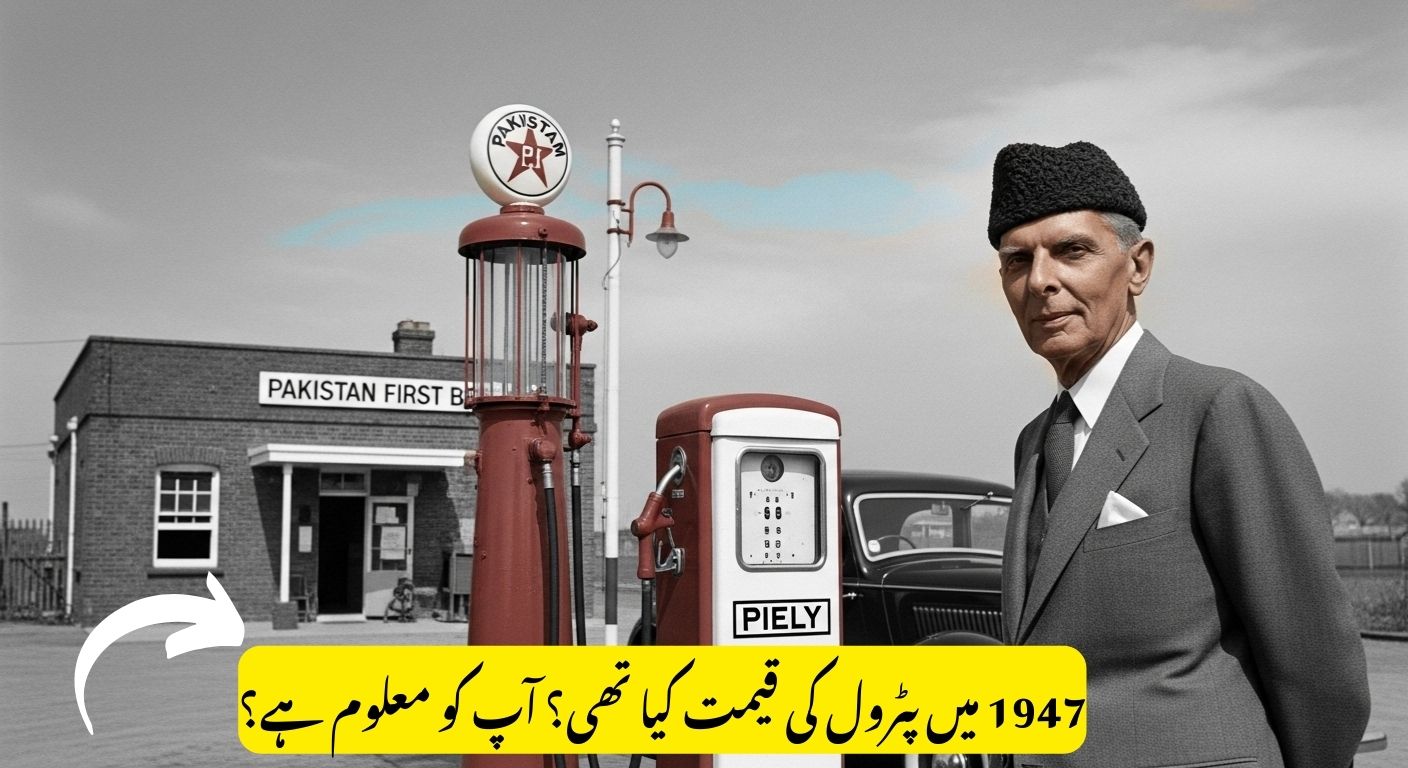
In 1947, petrol was extremely cheap.
- Petrol price: around Rs. 0.23 per litre
This price looks very small today, but at that time money had strong value. Even a small amount could buy many things.
Petrol Prices (1947–1970) – Slow Increase
For many years after independence, petrol prices increased slowly.

| Year | Price (PKR per litre) |
|---|---|
| 1947 | 0.23 |
| 1950 | 0.25 |
| 1960 | 0.36 |
| 1965 | 0.40 |
| 1970 | 0.48 |
Why prices stayed low:
- Low number of vehicles
- Low fuel demand
- Stable global oil prices
Petrol was affordable for the few people who owned vehicles.
1970s to 1990s – Prices Start Rising
This period was very important because petrol prices started increasing faster.
| Year | Price (PKR per litre) |
|---|---|
| 1975 | 1.20 |
| 1980 | 2.50 |
| 1985 | 3.00 |
| 1990 | 6.00 |
| 1995 | 11.00 |
Reasons:
- Global oil crisis
- Increase in world oil prices
- More vehicles on roads
- Growth in cities and industries
During this time, petrol became more expensive for common people.

2000 to 2013 – Fast Growth in Prices
After 2000, petrol prices increased quickly.
| Year | Price (PKR per litre) |
|---|---|
| 2000 | 30 |
| 2005 | 55 |
| 2007 | 60 |
| 2010 | 73 |
| 2012 | 108 |
| 2013 | 110 |
What happened:
- Global demand for oil increased
- International conflicts affected oil supply
- Pakistan’s fuel demand grew
For the first time, petrol crossed Rs. 100 per litre, which affected daily life.
2014 to 2019 – Price Ups and Downs
During this period, petrol prices went up and down.
| Year | Price (PKR per litre) |
|---|---|
| 2014 | 94.5 |
| 2015 | 80 |
| 2018 | 80.7 |
| 2019 | 90 |
Reason:
- Global oil supply increased
- Prices became slightly lower for some time
But even then, prices were still high compared to earlier years.
2020 to 2026 – Very High Prices
The last few years have seen the highest petrol prices in Pakistan.
| Year | Price (PKR per litre) |
|---|---|
| 2020 | 100 |
| 2022 | 200 |
| 2023 | 331 |
| 2024 | 249 |
| 2025 | 255 |
| 2026 | 255+ |
In 2023, petrol crossed Rs. 300 per litre, which was a record.
Why Petrol Prices Increased So Much
There are some simple reasons for this big increase:
1. Global Oil Prices
Oil prices in the world change due to wars, politics, and supply issues. Pakistan imports oil, so it is affected directly.
2. Weak Pakistani Rupee
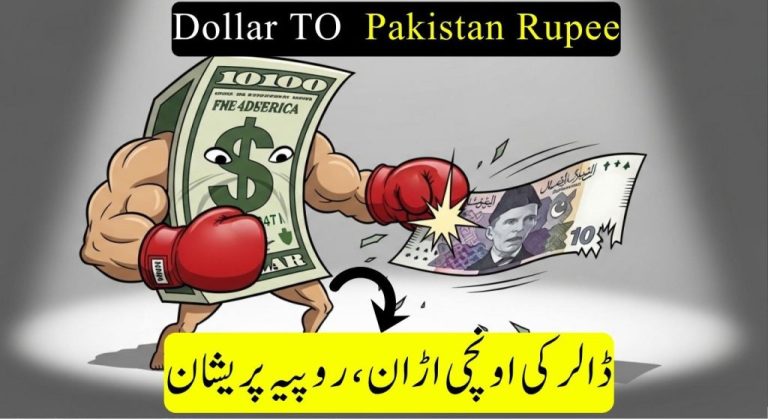
Oil is bought in US dollars. When the rupee becomes weak, petrol becomes more expensive.
3. Government Taxes
Petrol prices include:
- Taxes
- Petroleum levy
- Transport cost
These increase the final price.
4. More Vehicles
Today, there are millions of cars and bikes in Pakistan. More demand means higher prices.
5. Inflation
Over time, money loses value. This also makes petrol more expensive.
How Petrol Prices Affect Daily Life
Petrol prices impact everyone.
Transportation
Bus fares, rickshaw fares, and ride services become expensive.

Goods Prices
When transport cost increases, prices of food and items also increase.
Businesses
Companies spend more on delivery and production.
Inflation
Overall cost of living becomes higher.
Long-Term Comparison
Here is a simple comparison:
| Year | Petrol Price |
|---|---|
| 1947 | Rs. 0.23 |
| 2026 | Rs. 255+ |
This shows a huge increase over time.
What We Learn from This History
From this journey, we can understand:
- Petrol was once very cheap
- Prices increased due to global and local reasons
- Demand for fuel has grown a lot
- Petrol is now a major expense
Conclusion
Petrol prices in Pakistan have changed from Rs. 0.23 in 1947 to over Rs. 255 in 2026. This big increase happened because of global oil prices, weak currency, inflation, and growing demand.
Today, petrol is an essential but expensive part of life. Understanding its history helps us see how Pakistan’s economy and lifestyle have changed over time.