Malaysian Ringgit (MYR) to Pakistani Rupee (PKR): 2026 Exchange Rate Trends & Market Analysis
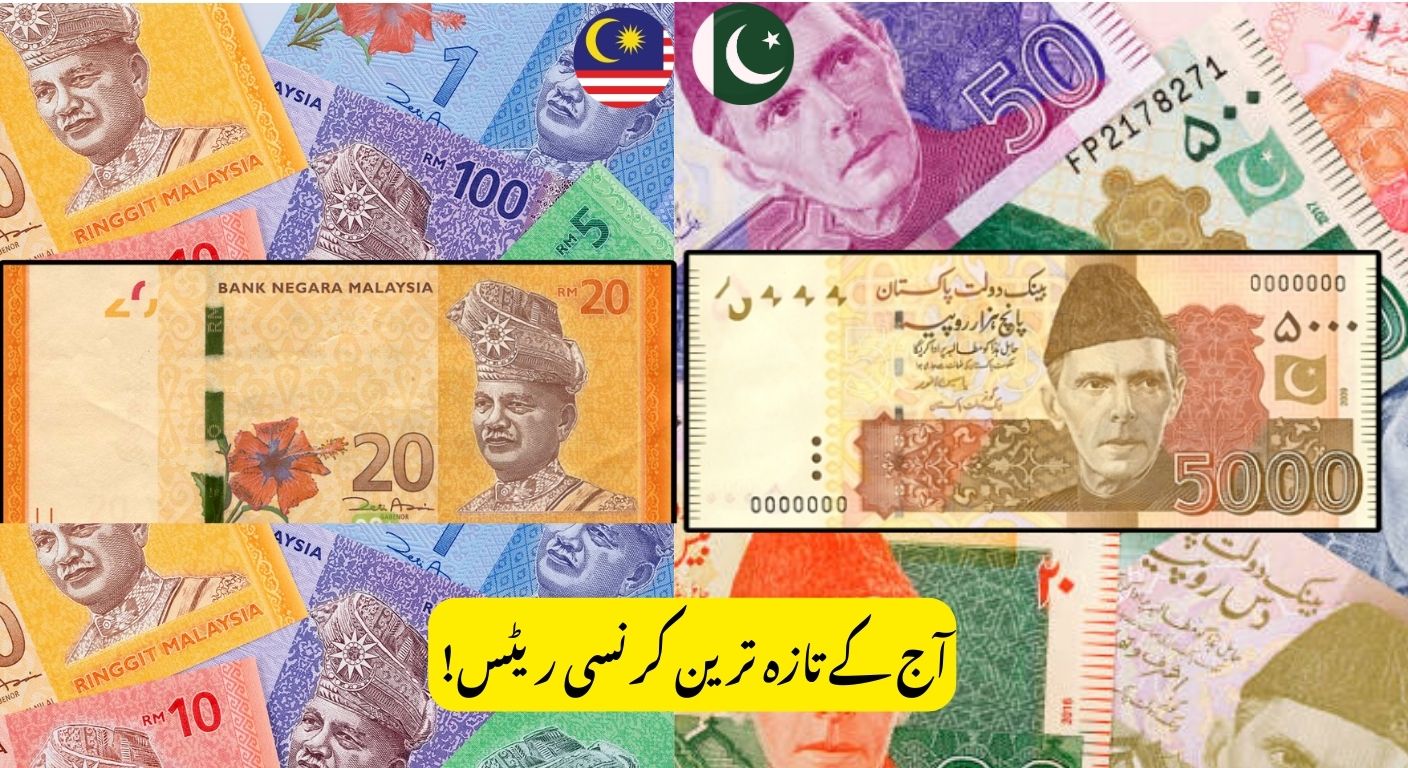
The exchange rate between the Malaysian Ringgit (MYR) and the Pakistani Rupee (PKR) shows how much one Malaysian Ringgit is worth in Pakistani Rupees. This rate is very important for travelers, overseas workers, students, and business owners in both countries. Many Pakistanis live, work, or study in Malaysia, which makes the MYR to PKR rate especially useful when planning money, remittances, and expenses.

Latest MYR to PKR Exchange Rate (2026)
As of the most recent currency market updates in 2026, the Malaysian Ringgit is trading around:
1 MYR ≈ 71 – 72 PKR
This means that if you exchange one Malaysian Ringgit, you will receive roughly seventy‑one to seventy‑two Pakistani Rupees. The rate can change daily based on global economic conditions and foreign exchange demand.

Quick Conversion Table (2026 Rates)
| Malaysian Ringgit (MYR) | Pakistani Rupees (PKR) |
|---|---|
| 1 MYR | ~71 – 72 PKR |
| 5 MYR | ~355 – 360 PKR |
| 10 MYR | ~710 – 720 PKR |
| 50 MYR | ~3,550 – 3,600 PKR |
| 100 MYR | ~7,100 – 7,200 PKR |
These values are approximate and can vary slightly at banks or currency exchange shops.
What Is the Malaysian Ringgit?
The Malaysian Ringgit (MYR) is the official currency of Malaysia, a country in Southeast Asia. The currency is issued and regulated by Bank Negara Malaysia, which is Malaysia’s central bank. One Malaysian Ringgit is divided into 100 sen, just like one Pakistani Rupee is divided into 100 paisa.
Common Malaysian banknotes include:
1 Ringgit
5 Ringgit
10 Ringgit
20 Ringgit
50 Ringgit
100 Ringgit

These notes are widely used for everyday purchases in Malaysia, such as food, transport, shopping, and services.
Historical Trend of MYR to PKR
Over the past few years, the value of the Malaysian Ringgit against the Pakistani Rupee has shown gradual changes. Around 2025, the MYR to PKR rate was often around 70 PKR per MYR. During the last six months, the rate moved between 66 PKR and 71 PKR per MYR at different times.
This trend shows that the ringgit has strengthened slightly against the Pakistani Rupee recently. These changes often reflect fluctuations in the PKR’s value more than large movements in the Ringgit itself.

Why the MYR to PKR Rate Matters for Pakistanis
Overseas Workers:
Thousands of Pakistanis work in Malaysia in sectors like construction, hospitality, technology, and services. A stronger ringgit means more Pakistani Rupees for the money sent home, which helps families financially.
Students Studying Abroad:
Many Pakistani students choose Malaysia for higher education. The exchange rate affects tuition fees, living costs, and budgeting for anything paid in Malaysian Ringgit.
Trade and Business:
Malaysia and Pakistan maintain trade relations. Products like palm oil, electronics, textiles, and machinery are traded between the two countries. The exchange rate helps businesses estimate costs and profits.
Main Factors Affecting MYR to PKR Exchange Rate
Several economic and global factors influence how the Malaysian Ringgit performs against the Pakistani Rupee:
- Inflation in Pakistan
When inflation rises in Pakistan, the Pakistani Rupee tends to weaken, pushing the MYR to PKR exchange rate higher. - Economic Growth in Malaysia
Strong economic performance in Malaysia can support the Ringgit’s value in global currency markets. - Global Currency Demand
Foreign exchange rates depend on supply and demand in international markets. Higher demand for MYR means a stronger Ringgit. - Trade Balance Between Countries
Exports, imports, and foreign investment between Malaysia and Pakistan influence currency movements. - Monetary Policy
Decisions made by central banks like Bank Negara Malaysia and the State Bank of Pakistan affect currency values through interest rates and monetary measures.
How to Convert Malaysian Ringgit to Pakistani Rupees
If someone needs to convert Malaysian Ringgit into Pakistani Rupees, there are several common ways to do it:

International Banks:
Banks often offer foreign currency exchange services, though rates may include service fees.
Currency Exchange Companies:
Licensed exchange companies may offer competitive rates in large cities.
Online Forex Platforms:
Internet services show live rates and allow electronic conversions.
Digital Money Transfer Services:
Apps and services that send money internationally often provide good exchange values.
In Pakistan, most major exchange companies in cities can convert Ringgit into Pakistani Rupees, and sometimes direct conversion is available at better rates than banks.

Future Outlook for MYR to PKR
Currency experts believe that the future of the MYR to PKR rate will depend on several key economic elements:
Pakistan’s Economic Stability:
If Pakistan’s economy becomes more stable and inflation decreases, the value of the Pakistani Rupee may strengthen, which could lower the MYR to PKR rate.
Malaysia’s Economic Growth:
Continued growth in Malaysia’s economy could support the Ringgit in international markets.
Global Commodity Prices:
Changes in oil and other international commodity prices affect many currencies, including MYR and PKR.
International Financial Market Trends:
Global forex market events and investor sentiment also influence exchange rates.

If the Pakistani Rupee weakens further in the global market, the MYR to PKR rate may continue to rise over time.
Summary
The Malaysian Ringgit to Pakistani Rupee exchange rate in 2026 stands at approximately 71 – 72 PKR per 1 MYR. This rate impacts many people, including overseas workers, students, travelers, and businesses.
Understanding this rate helps in planning financial activities like remittances, tuition budgeting, travel expenses, and international trade. Exchange rates change regularly, so staying updated helps individuals make smart financial decisions when converting money or managing international transactions.
Conclusion
The Malaysian Ringgit (MYR) remains an important foreign currency for Pakistanis due to work, study, travel, and business connections with Malaysia. The exchange rate of 71 – 72 PKR per MYR in 2026 reflects global market conditions, economic stability, and currency demand.
Tracking and understanding this rate helps people send money with better value, plan trips more accurately, and manage business costs effectively. Keeping an eye on the latest exchange rates allows everyone to make informed money decisions in a changing global financial environment.