Increase in Dollar Price: Pakistani Rupee Under Pressure
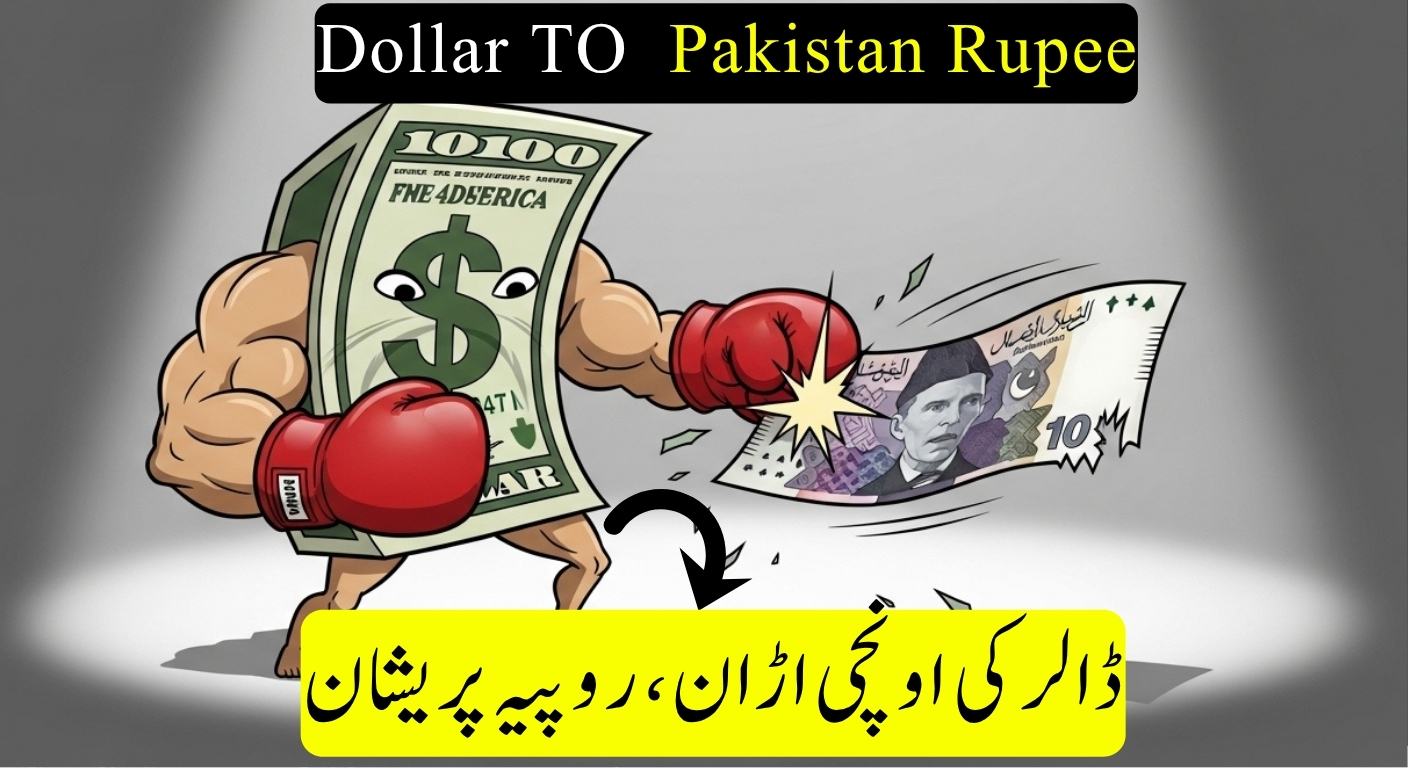
The continuous increase in the price of the US dollar has created serious pressure on the Pakistani rupee. In Pakistan, the dollar rate is one of the most important economic indicators because it directly affects inflation, fuel prices, electricity bills, food costs, and overall living expenses. Whenever the dollar becomes expensive, the value of the rupee weakens, making life more difficult for common people.



In recent months, people across Pakistan have shown concern about the rising dollar price and the unstable position of the rupee. This situation is not new, but its impact has become more visible due to high inflation and economic challenges. This article explains the issue in easy English so everyone can understand what is happening and why it matters.
Understanding the Dollar and Rupee Relationship
The value of the Pakistani rupee is measured against the US dollar in international markets. When the dollar price increases, it means Pakistan needs more rupees to buy one dollar. This situation is known as rupee depreciation.
For example:


- If 1 dollar = 270 PKR, the rupee is relatively stronger
- If 1 dollar = 280 PKR or more, the rupee becomes weaker
This change may look small, but it has a strong impact on the economy.
Why Is the Dollar Price Increasing in Pakistan?
There are many reasons behind the rise in the dollar price. Some are local, while others are global.
1. Low Foreign Exchange Reserves
Pakistan needs dollars to import goods and repay foreign loans. When foreign exchange reserves are low, demand for dollars increases, causing the dollar price to rise.
2. High Dependence on Imports
Pakistan imports fuel, machinery, medicines, edible oil, and many other essential items. All these imports are paid in dollars. Higher imports mean higher demand for dollars.
3. Trade Deficit
When a country imports more and exports less, it faces a trade deficit. Pakistan’s exports are not strong enough to cover its import bills, which increases pressure on the rupee.
4. External Debt Payments
Pakistan has taken loans from international lenders. These loans are repaid in dollars. Regular debt payments increase dollar demand and weaken the rupee.
5. Inflation and Economic Uncertainty
High inflation reduces investor confidence. When investors lose trust in the economy, they prefer holding dollars instead of rupees.
6. Global Strength of the US Dollar
The US dollar has become stronger globally due to international economic conditions. When the dollar strengthens worldwide, developing countries like Pakistan feel more pressure.
Impact of Rising Dollar on the Pakistani Rupee
The rising dollar puts direct pressure on the rupee and creates multiple economic problems.
Major Impacts Include:
- Continuous fall in rupee value
- Increase in inflation
- Higher cost of imported goods
- Increase in government expenses
A weak rupee reduces the purchasing power of people and makes daily necessities more expensive.
Effect on Prices and Inflation
One of the biggest impacts of a rising dollar is inflation.
How Inflation Increases
- Imported fuel becomes expensive
- Transport costs rise
- Electricity generation costs increase
- Businesses raise prices
As a result, prices of food items, vegetables, cooking oil, sugar, and other essentials go up. Inflation affects poor and middle-class families the most.
Impact on Common People
The increase in the dollar price directly affects the daily lives of ordinary citizens.
Daily Life Challenges
- Higher petrol and diesel prices
- Increased electricity and gas bills
- Expensive grocery items
- Reduced savings
Many families find it difficult to manage household budgets due to rising expenses.
Impact on Business and Industry
Businesses also suffer when the dollar price increases.
Problems Faced by Businesses
- Imported raw materials become expensive
- Production costs increase
- Profit margins decrease
- Product prices rise
Small and medium businesses struggle more because they have limited financial resources.
Effect on Government and Economy
The government also faces pressure due to a rising dollar.
Economic Challenges
- Higher cost of foreign debt repayment
- Increased budget deficit
- Pressure on development projects
- Reduced economic growth
A weak rupee makes economic planning more difficult for the government.
Role of the State Bank of Pakistan
The State Bank of Pakistan plays a key role in managing the exchange rate.
Key Responsibilities
- Managing foreign exchange reserves
- Regulating currency markets
- Controlling inflation
- Maintaining financial stability
The central bank takes steps to reduce volatility, but long-term stability requires strong economic policies.
Can the Rupee Recover?
Yes, the rupee can recover, but it requires serious efforts.
Steps Needed for Recovery
- Increase exports
- Reduce unnecessary imports
- Encourage foreign investment
- Improve tax collection
- Control inflation
Economic stability and investor confidence are essential for rupee recovery.
Role of Overseas Pakistanis
Remittances from overseas Pakistanis play a positive role in supporting the rupee.
Why Remittances Matter
- Increase dollar inflow
- Support foreign reserves
- Reduce pressure on currency
Encouraging legal and formal remittance channels can strengthen the economy.
Future Outlook
The future of the Pakistani rupee depends on both local reforms and global conditions. If economic policies improve and political stability increases, the rupee can regain strength. However, if problems continue, the dollar may remain under pressure.
Short-term fluctuations are normal, but long-term stability needs strong planning and discipline.
What Should Citizens Do?
People should stay informed and avoid panic.
Important Advice
- Do not believe rumors on social media
- Manage expenses carefully
- Avoid unnecessary spending
- Stay updated through official information
Financial awareness can help people cope with economic pressure.
Conclusion
The increase in the dollar price has placed the Pakistani rupee under serious pressure. This situation affects inflation, businesses, government finances, and the daily lives of people. While short-term changes are common, long-term stability depends on economic reforms, strong policies, and public confidence.
A stable rupee is essential for economic growth and public welfare. With the right steps, Pakistan can reduce pressure on its currency and move towards financial stability.