Bangladeshi Taka (BDT) to Pakistani Rupee (PKR) Exchange Rate 2026 Market Overview
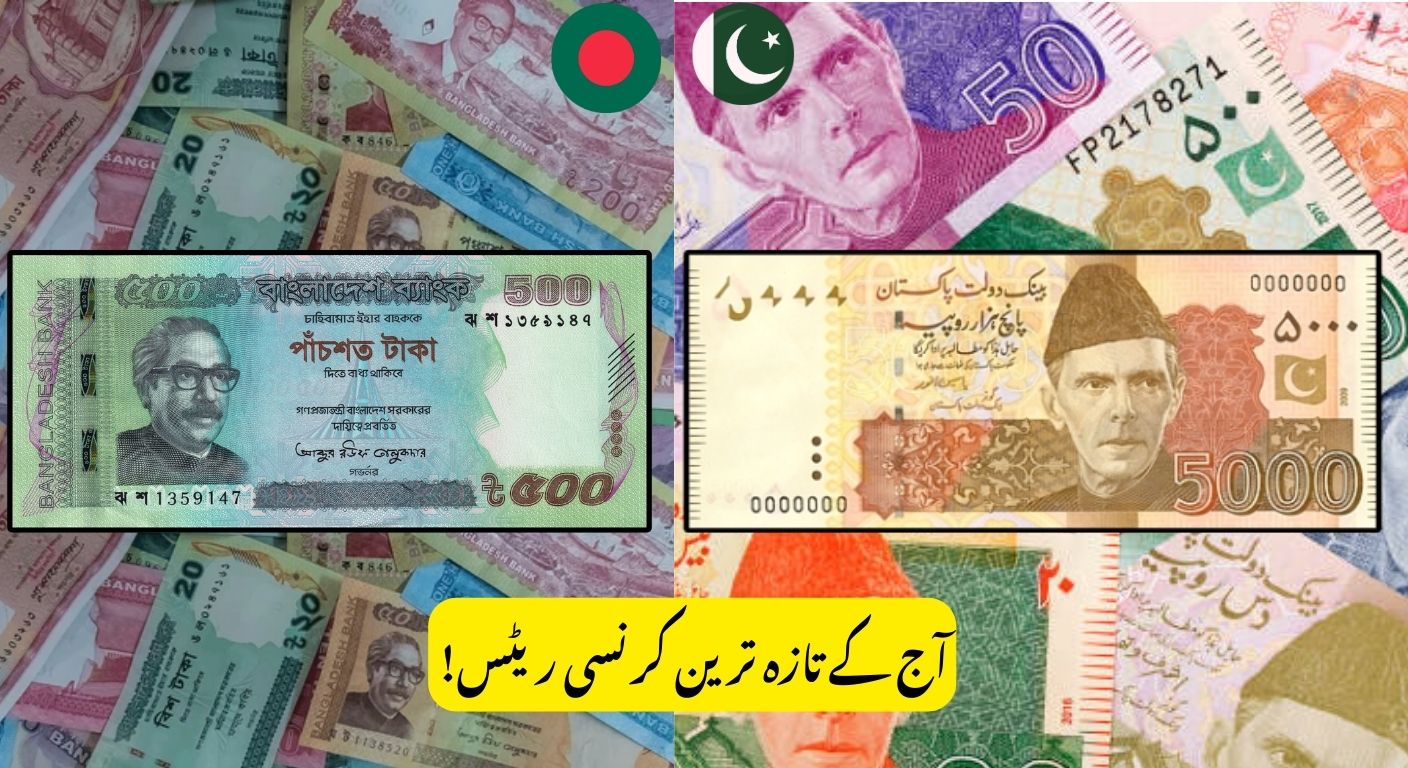
The exchange rate between the Bangladeshi Taka (BDT) and the Pakistani Rupee (PKR) is an important financial indicator for people involved in travel, remittances, and trade between Bangladesh and Pakistan. Both countries maintain economic connections through business activities, imports and exports, and movement of people for work or tourism.

In 2026, the BDT to PKR exchange rate has remained relatively stable with only small daily changes in the currency market. This stability helps individuals and businesses plan their financial transactions more easily.
Understanding the current rate and the factors influencing it can help travelers, traders, and investors make better financial decisions
Latest BDT to PKR Exchange Rate (2026)
According to recent market updates in early 2026, the Bangladeshi Taka is trading within a narrow range against the Pakistani Rupee.

| Currency | Approximate Rate (2026) |
|---|---|
| 1 BDT | 2.28 – 2.30 PKR |
| 10 BDT | 22.8 – 23.0 PKR |
| 100 BDT | 228 – 230 PKR |
| 1,000 BDT | 2,280 – 2,300 PKR |
These values may vary slightly depending on the interbank market or open market exchange companies.
Interbank vs Open Market Exchange Rates
Foreign currency transactions usually take place in two main markets: the interbank market and the open market.
Interbank Market
The interbank market is where banks and financial institutions exchange currencies with each other. It is considered the official benchmark rate used for large financial transactions.

Typical characteristics include:
- Used for trade payments between countries
- Used for bank-to-bank currency trading
- More stable and regulated rates
- Large transaction volumes
In 2026, the interbank rate for 1 BDT is around 2.28 to 2.30 PKR.
Open Market
The open market includes currency exchange companies that deal directly with individuals and small businesses.

Important features include:
- Used by travelers and small traders
- Slightly higher or lower rates compared to interbank
- Influenced by demand and supply of physical currency
Open market dealers in Pakistan are quoting around 2.29 to 2.31 PKR per BDT for selling.
The small difference between these two markets shows that the currency market remains balanced.
Why the BDT to PKR Exchange Rate Matters
Although Bangladesh and Pakistan do not share extremely large currency flows compared to some other countries, the exchange rate still plays an important role in several areas.
1. Travel Between Pakistan and Bangladesh
People traveling between the two countries need to convert money for daily expenses such as:

- Hotel accommodation
- Transportation
- Food and shopping
- Tourist activities
A stable exchange rate helps travelers estimate their budgets more accurately.
2. Remittances and Personal Transfers
Some families receive money transfers from relatives working or living in Bangladesh. The value they receive in Pakistani rupees depends directly on the exchange rate at the time of transfer.
Even small changes in the rate can slightly increase or decrease the amount received.
Example:
| Amount Sent | Exchange Rate | PKR Received |
|---|---|---|
| 1,000 BDT | 2.28 | 2,280 PKR |
| 1,000 BDT | 2.30 | 2,300 PKR |
Although the difference may appear small, it can matter for regular transfers.

3. Business and Trade
Businesses involved in trade between Bangladesh and Pakistan also pay attention to currency exchange rates.
Common trade sectors include:
- Textiles and garments
- Agricultural products
- Raw materials and industrial goods
A stable exchange rate helps importers and exporters calculate their costs and profits more accurately. Sudden changes in currency value can create financial uncertainty for businesses.
Short-Term Market Trend
Recent trading patterns show that the Bangladeshi Taka has remained within a very stable range against the Pakistani Rupee.
The rate has mostly stayed between 2.28 and 2.30 PKR per BDT during recent market activity. Small fluctuations happen daily due to normal trading, but there have been no major disruptions in the currency market.
This stability is beneficial for people who rely on currency conversions for travel, remittances, and commercial transactions.
Key Factors Influencing the Exchange Rate
Several economic factors can influence the value of the Bangladeshi Taka relative to the Pakistani Rupee.
| Factor | Impact on Exchange Rate |
|---|---|
| Trade Volume | Higher trade activity increases currency demand |
| Remittances | Large inflows strengthen a country’s currency reserves |
| Inflation Rates | Higher inflation can weaken currency value |
| Foreign Exchange Reserves | Strong reserves support currency stability |
| Central Bank Policies | Interest rates and monetary policy affect currency strength |
Changes in any of these factors may cause gradual movement in the BDT to PKR exchange rate.
Benefits of Exchange Rate Stability
When a currency pair remains stable, it offers several advantages for individuals and businesses.
Some key benefits include:

- Easier financial planning
- Predictable travel costs
- Reduced risk for importers and exporters
- Stable remittance values for families
Stable exchange rates reduce financial uncertainty and improve economic confidence.
Key Facts About BDT to PKR
| Topic | Details |
|---|---|
| Currency Pair | Bangladeshi Taka (BDT) to Pakistani Rupee (PKR) |
| Average Rate in 2026 | Around 2.28 – 2.30 PKR per BDT |
| Market Types | Interbank and Open Market |
| Main Uses | Travel, remittances, and trade transactions |
Conclusion
The BDT to PKR exchange rate in 2026 remains relatively stable, with the Bangladeshi Taka trading close to 2.28 to 2.30 Pakistani Rupees. The narrow gap between interbank and open market rates indicates balanced currency demand and supply.
This stable exchange rate environment benefits travelers, families receiving remittances, and businesses involved in trade between Bangladesh and Pakistan.
While small fluctuations are normal in any currency market, current trends suggest a generally steady outlook unless major economic changes occur in either country. Monitoring exchange rate updates can help individuals and businesses make smarter financial decisions.