Gold Price in Pakistan: From 1947 to 2026 – A Complete Historical Journey
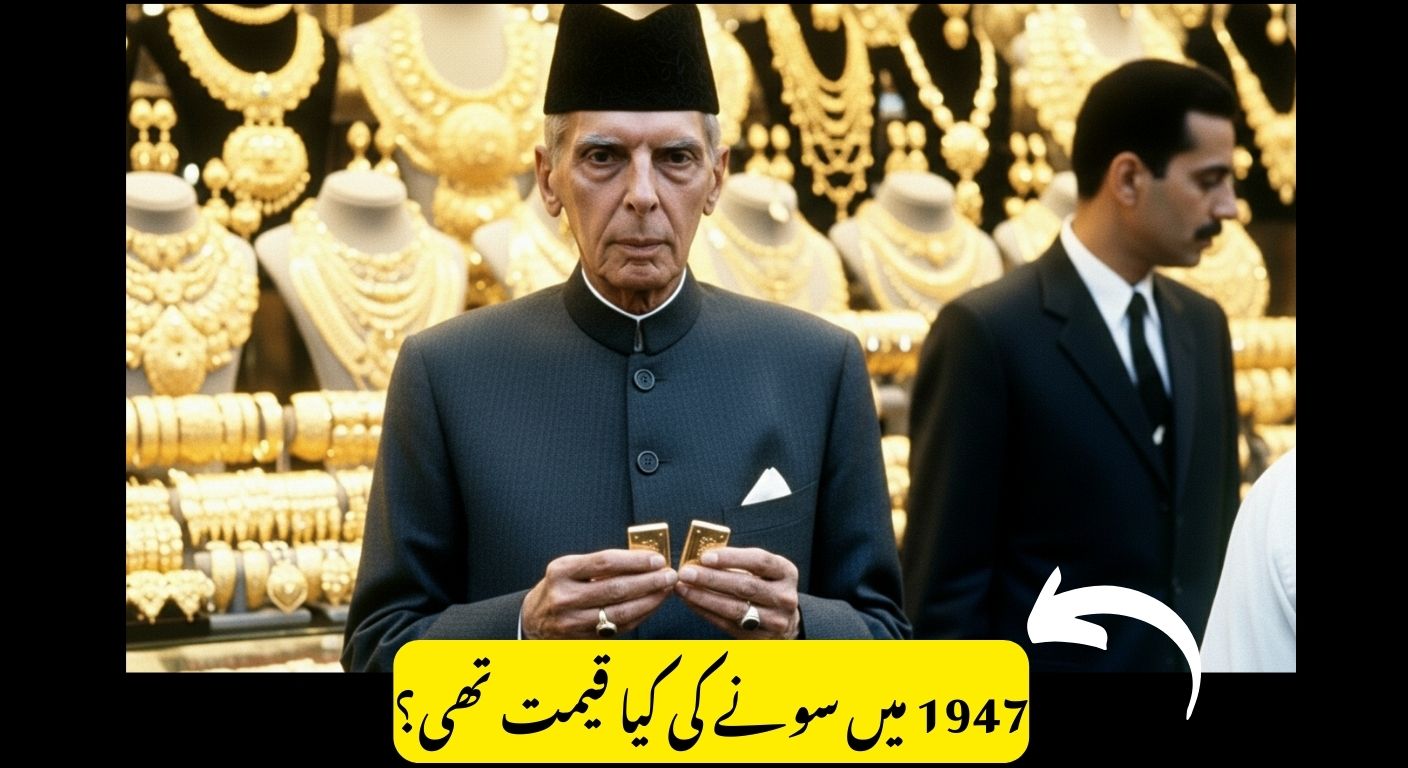
Gold has always held a special place in Pakistani society. Whether for weddings, gifts, festivals, or long-term savings, families across the country consider gold a symbol of wealth and security. But if we travel back to 1947 — the year Pakistan gained independence — gold was incredibly affordable compared to today’s prices.
Pakistan in 1947 – A Newly Born Nation
When Pakistan emerged as an independent country in August 1947, the economic situation was very different from today:
- The economy was small and developing.
- Most people worked in agriculture or small businesses.
- Industrial activity was limited.
- Modern investment markets did not exist.
Even in those early years, gold was culturally important. Families purchased gold mainly for:
- Weddings
- Dowries and gifts
- Saving money for future emergencies
However, gold was not widely seen as a financial investment like it is today. It was more of a traditional asset.

Gold Price in 1947
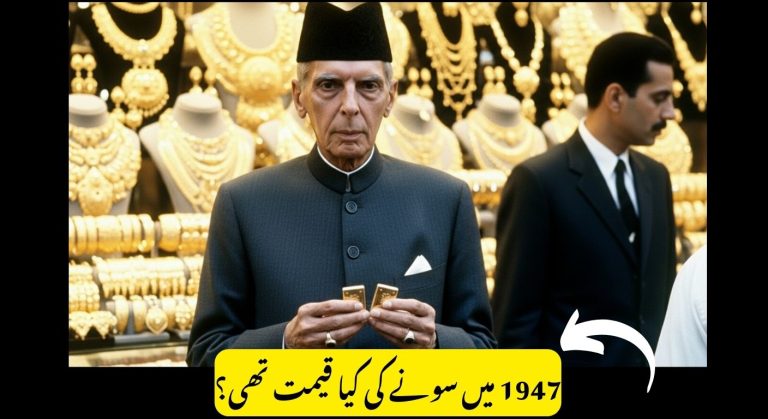
At the time of independence, the price of pure 24-karat gold was extremely low compared to modern standards.
- 1 tola (24K gold) = Rs. 57–59
(A tola equals approximately 11.66 grams, a traditional South Asian unit still used in Pakistan.)
To put this into perspective:

- Rs. 57 in 1947 had strong purchasing power.
- Many middle-class families could afford small amounts of gold.
- Today, gold costs over Rs. 500,000 per tola — showing how dramatically prices have increased.
Gold Price Growth Over the Decades
Here’s a simplified timeline of gold prices per tola in Pakistan:
| Year | Gold Price (PKR per tola) |
|---|---|
| 1947 | Rs. 57 |
| 1950 | Rs. 65 |
| 1965 | Rs. 100 |
| 1972 | Rs. 250 |
| 1981 | Rs. 2,000 |
| 1991 | Rs. 5,000 |
| 2000 | Rs. 8,000 |
| 2010 | Rs. 37,000 |
| 2020 | Rs. 113,000 |
| 2025 | ~Rs. 365,000 |
| 2026 | ~Rs. 542,000 |
This table clearly shows the massive rise in gold prices over nearly 80 years.
Why Did Gold Become So Expensive?
Several major factors explain this sharp increase:
1. Inflation
Over time, inflation reduces the value of money. As the Pakistani rupee weakened, the price of gold in rupees naturally increased.
2. Global Gold Market
Gold is traded internationally. When global prices rise, local prices in Pakistan also increase.
3. Economic Crises
Major global events — such as oil crises in the 1970s, the 2008 financial crisis, and the COVID-19 pandemic — pushed investors toward gold as a safe asset.
4. Weak Pakistani Rupee
Since gold is priced internationally in US dollars, a weaker rupee makes gold more expensive locally.
5. Cultural Demand
In Pakistan, gold is always in demand for weddings, festivals, and family traditions. Strong demand helps keep prices high.

What This Growth Tells Us
The rise from Rs. 57 per tola in 1947 to over Rs. 542,000 in 2026 shows:
- The impact of inflation over time.
- The declining purchasing power of currency.
- Gold’s ability to maintain long-term value.
Families who bought and saved gold decades ago would now own assets worth millions of rupees.
A Simple Example
Imagine buying something for Rs. 1 in 1947. Today, that same item might cost Rs. 100 or more due to inflation.
Gold followed a similar path — but on a much larger scale. A small gold ornament purchased in 1947 could now be worth a fortune.
Why People Still Buy Gold in 2026
Even today, gold remains extremely popular in Pakistan because:

- It is essential for weddings and cultural events.
- It acts as long-term savings.
- It protects wealth against inflation.
- It is easy to sell when money is needed.
Gold continues to symbolize financial security in Pakistani households.
Conclusion
In 1947, 24K gold cost around Rs. 57 per tola — an amount affordable to many families at that time. As Pakistan’s economy evolved, inflation increased, global markets shifted, and the rupee weakened, gold prices steadily climbed.
By 2026, gold prices have crossed Rs. 540,000 per tola, reflecting nearly eight decades of economic change.