Government of Pakistan Reveals How Many Days Off for Eid 2026!
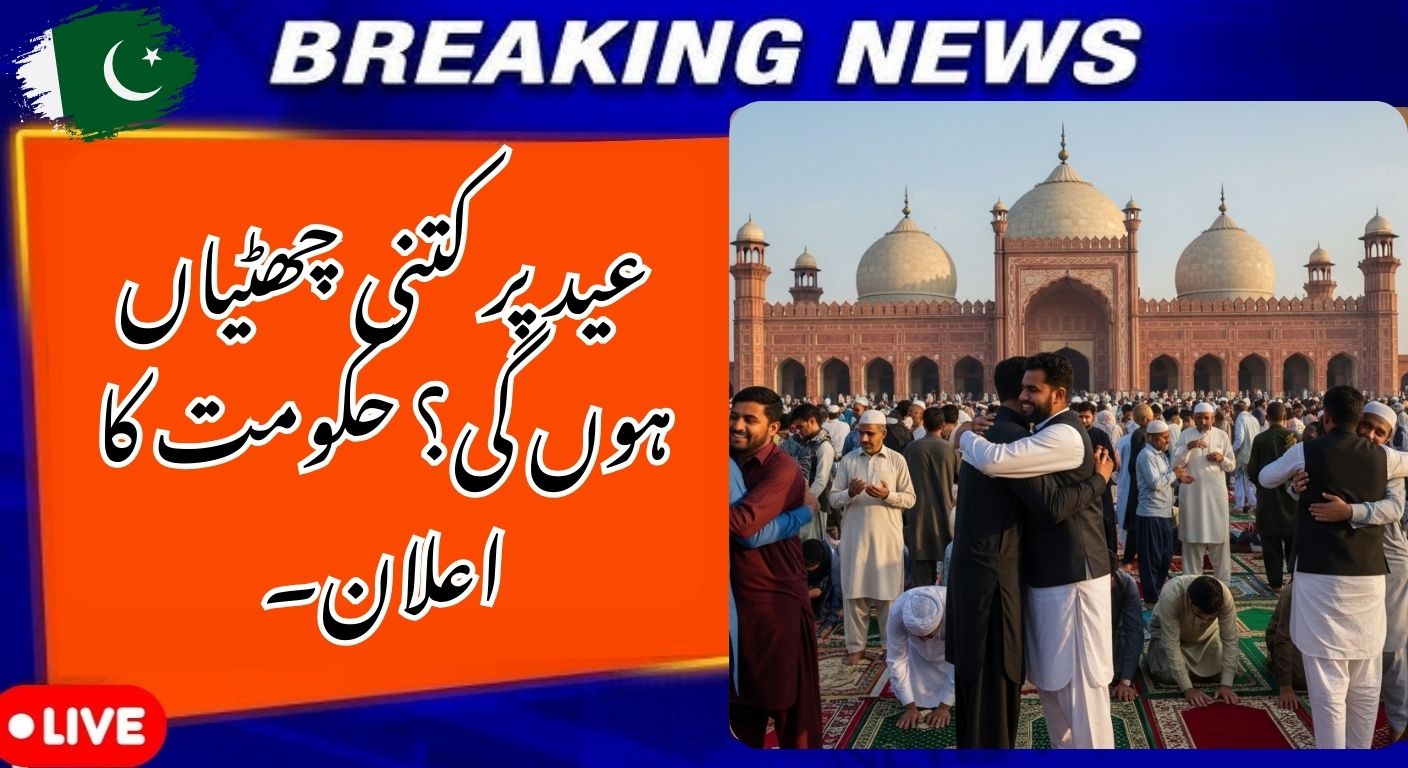
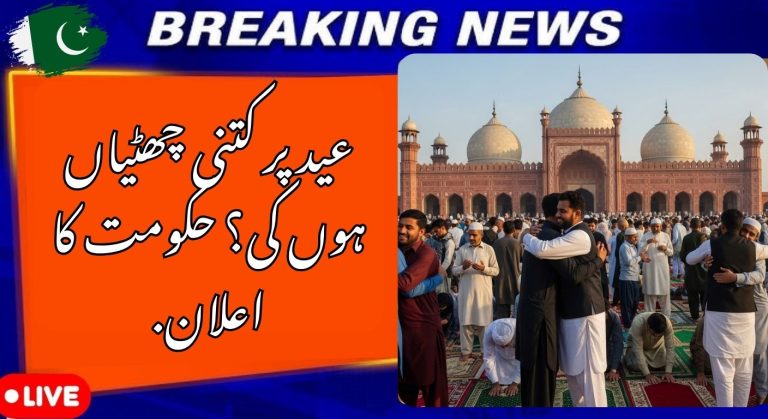
Eid ul-Fitr is one of the most important and widely celebrated religious festivals in Pakistan. It marks the end of the holy month of Ramadan, a month of fasting, prayers, and reflection for Muslims around the world. Beyond its spiritual significance, Eid ul-Fitr is a time for family gatherings, festive meals, giving gifts, and performing special prayers known as Eid Salah at mosques.
Every year, the Pakistani government announces official holidays for Eid ul-Fitr, and these holidays are eagerly awaited by employees, students, and the general public. The duration of holidays can vary slightly depending on the lunar calendar and the sighting of the moon, but typically, citizens can expect 3 to 4 days of official holidays.
Typical Eid ul-Fitr Holiday Duration
The official holiday duration usually depends on the sector and institution:
- Government Employees: Usually get 3 to 4 days off. If Eid falls near a weekend, holidays may be extended.
- Private Sector Employees: Duration may vary; many private companies follow government notifications, while others provide flexible leave arrangements.
- Schools and Universities: Usually close for 2 to 3 days, though some institutions may extend the holiday to allow students and staff to travel and celebrate.
Here’s a simple table showing expected holidays for different sectors:

| Sector | Expected Days Off | Notes |
|---|---|---|
| Government Offices | 3–4 days | Can extend if Eid falls near weekend |
| Private Companies | 2–4 days | Varies based on company policy |
| Schools & Universities | 2–3 days | Some may extend based on academic calendar |
| Banks & Financial Sector | 2–3 days | Follow SBP & government notifications |
When is Eid ul-Fitr in 2026?
In 2026, Eid ul-Fitr is expected to fall around April 21–22, based on the lunar calendar. However, the exact dates of Eid and the official holidays are confirmed only after the moon sighting. It is recommended for everyone to check government notifications or official news sources to confirm the exact days off.
Why Eid Holidays Are Important
Eid ul-Fitr holidays are not just for relaxation; they provide an opportunity for families and communities to come together. During these days:
- People travel to visit relatives in different cities or towns.
- Special prayers (Eid Salah) are offered at mosques and open grounds.
- Traditional meals, sweets, and desserts are prepared and shared.
- Cultural and social events, like fairs and charity programs, take place.
Tips for Planning Eid Holidays
Since the holiday period is usually short, it’s important to plan ahead:

- Travel: Book tickets early if traveling to other cities, as public transport can become crowded.
- Shopping: Purchase gifts, clothes, and groceries in advance to avoid last-minute rushes.
- Work Arrangements: Private sector employees should check their company’s leave policy for Eid holidays.
- Ramzan Preparation: Many families also use the Eid holidays to organize Iftar and Sehri meals before the festival.
How Government Announces Eid Holidays
The government usually issues a formal notification a few days before Eid. This notification includes:
- Exact dates of Eid holidays for government offices.
- Adjustments for weekends.
- Instructions for schools, universities, and banks.
Conclusion
Eid ul-Fitr is a joyous time for Muslims in Pakistan, offering spiritual fulfillment as well as an opportunity to celebrate with family and friends. While the festival itself is a religious occasion, the 3–4 days of official holidays provide people with time to relax, travel, and enjoy the festivities. Whether you are a student, a government employee, or a private sector worker, planning ahead for Eid ensures you make the most of this special time.