How Much is the Price of 1 Unit of Electricity in Pakistan in 2026?
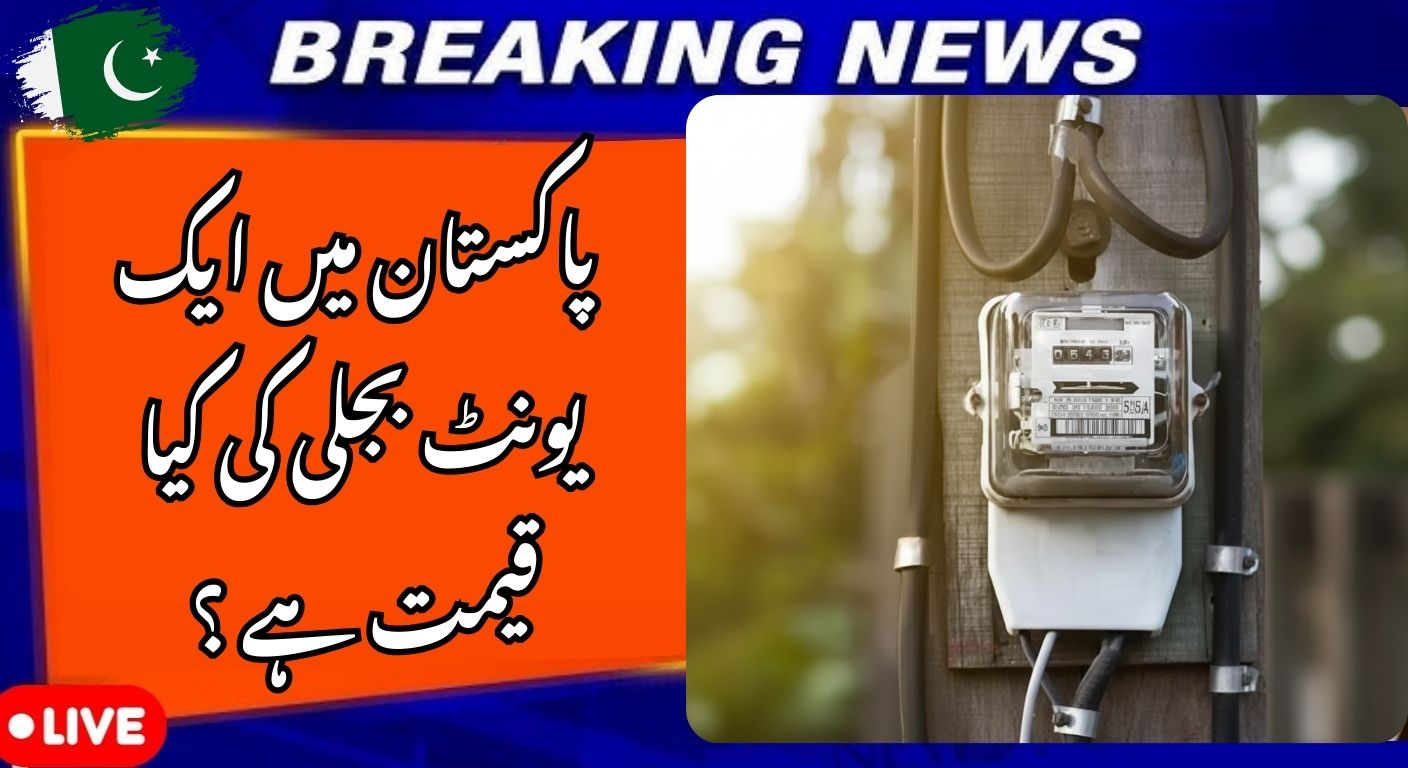
Electricity remains one of the most essential utilities in Pakistan, powering homes, businesses, industries, and public services. In 2026, electricity tariffs were updated under the supervision of the National Electric Power Regulatory Authority (NEPRA), leading many consumers to review the latest per-unit rates and understand how their monthly bills are calculated.
This guide explains what 1 electricity unit means, how the slab system works, updated 2026 rates, and practical tips to reduce your electricity bill.
What Is 1 Unit of Electricity?
In Pakistan, electricity consumption is measured in kilowatt-hours (kWh).
1 Unit = 1 kWh

Simple Examples
- A 1000-watt appliance running for 1 hour = 1 unit
- A 100-watt bulb running for 10 hours = 1 unit
- A 2000-watt heater running for 30 minutes = 1 unit
Your electricity meter records total units consumed during the month. The more units you use, the higher your bill will be, especially if you move into higher slabs.
How Electricity Pricing Works in Pakistan
Electricity tariffs are determined by NEPRA after reviewing several cost components:
- Power generation costs (fuel, coal, gas, oil, hydel)
- Transmission and distribution expenses
- Capacity payments to power producers
- Government taxes and policy adjustments
- Fuel Price Adjustment (FPA)
Pakistan follows a slab-based system, meaning the price per unit increases as consumption rises. This system ensures that low-usage households pay lower rates, while higher consumers pay more.

Understanding the Slab System
The slab system divides residential consumers into categories based on monthly usage.
Main Consumer Categories
- Lifeline Users – Very low electricity usage
- Protected Users – Small to medium households
- Non-Protected Users – Higher consumption households
Lower slabs are subsidized to keep electricity affordable for small households. As consumption increases, the per-unit rate becomes higher.
Updated Electricity Rates Per Unit – 2026
According to the revised national tariff effective January 2026, the following residential rates apply (excluding taxes and adjustments):

| Consumption Category | Rate per Unit (Rs) |
|---|---|
| Lifeline up to 50 units | 3.95 |
| Lifeline 51–100 units | 7.74 |
| Protected 1–100 units | 10.54 |
| Protected 101–200 units | 13.01 |
| Non-Protected 1–100 units | 22.44 |
| Non-Protected 101–200 units | 28.91 |
| 201–300 units | 33.10 |
| 301–400 units | 37.99 |
| 401–500 units | 40.22 |
| 501–600 units | 41.62 |
| 601–700 units | 42.76 |
| Above 700 units | 47.69 |
Important Notes
- These are base energy charges only.
- Final bills include GST, FPA, and other surcharges.
- The national average energy cost is approximately Rs. 33.38 per unit.
Example: How to Calculate a Monthly Bill
Suppose a household consumes 300 units in one month.
If the applicable slab rate averages around Rs. 33.10 per unit:
300 × 33.10 = Rs. 9,930
However, this is not the final bill amount.
Additional charges may include:

- General Sales Tax (GST)
- Fuel Price Adjustment (FPA)
- Quarterly adjustments
- TV license fee
- Fixed meter charges
As a result, the final payable amount may be higher than the base energy cost.
Why Electricity Prices Change
Electricity prices in Pakistan are influenced by several factors:
1. Fuel Costs
Pakistan generates electricity using imported fuels like oil, LNG, and coal. When global fuel prices increase, electricity costs rise.
2. Capacity Payments
Independent Power Producers (IPPs) are paid capacity charges even if full electricity is not consumed.
3. Exchange Rate Fluctuations
Since fuel imports are paid in foreign currency, rupee depreciation increases production costs.

4. Government Policies
The government may adjust tariffs to provide subsidies or maintain uniform national rates.
5. Fuel Price Adjustment (FPA)
This monthly adjustment reflects global fuel price changes and directly impacts electricity bills.
Lifeline vs Protected vs Non-Protected Users
Lifeline Users
- Consumption up to 100 units
- Heavily subsidized
- Designed for low-income households
Protected Users
- Moderate monthly consumption
- Lower per-unit rates compared to high slabs
- Helps small families manage costs
Non-Protected Users
- Consumption above 100 units
- Higher per-unit rates
- Encourages energy conservation
If your usage increases significantly for one month, you may shift into a higher slab, increasing your bill sharply.
Practical Tips to Reduce Electricity Bills
Managing electricity consumption can significantly reduce monthly expenses.
Energy Saving Tips
- Use LED bulbs instead of traditional bulbs
- Switch off appliances when not in use
- Avoid running heavy appliances during peak hours
- Maintain air conditioners and refrigerators regularly
- Set AC temperature between 24–26°C
- Install solar panels if affordable
Even reducing consumption by 50–100 units can move your household into a lower slab, saving thousands of rupees annually.
Future Outlook for Electricity Prices
Pakistan’s electricity demand continues to grow due to:
- Population increase
- Urban expansion
- Industrial development
- Rising use of air conditioners
Future tariffs may be influenced by:
- Renewable energy projects
- Solar and hydropower expansion
- Fuel import prices
- Government subsidy policies
Uniform national tariffs introduced in recent years aim to make pricing more predictable across provinces.
Final Summary
- 1 unit of electricity equals 1 kWh.
- Pakistan follows a slab-based tariff system.
- Low consumption households pay lower rates.
- High consumption households pay significantly higher per-unit charges.
- Base rates range from Rs. 3.95 (lifeline) to Rs. 47.69 (above 700 units).
- Final bills include taxes, fuel adjustments, and surcharges.