Huge Gold Discovery Reported in Indus River, Attock — Around 2.8 Million Tolas Estimated
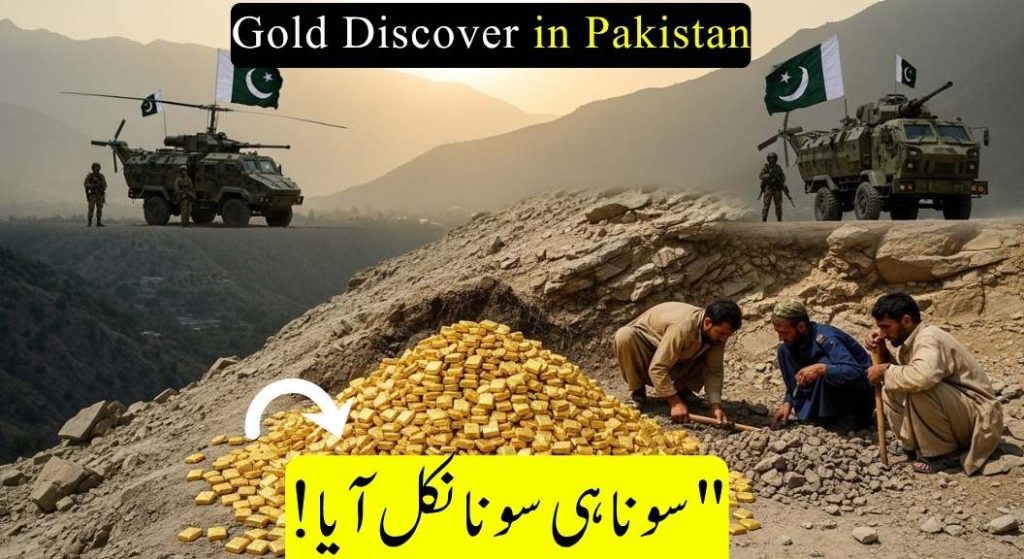
In a major development that has captured national attention, Pakistani authorities say they have found a very large amount of gold in the Indus River near Attock, in the Punjab province. According to information from the Geological Survey of Pakistan (GSP), extensive gold particles have been identified in the riverbed where the Kabul River flows into the Indus. If the estimates are correct and mining proceeds in a controlled and regulated way, this discovery could have significant long‑term economic benefits for Pakistan.

The announcement has sparked interest from business leaders, economists, and ordinary citizens because of the potential value of the find. While detailed plans for extraction are still being developed, officials suggest the discovery could boost revenue, create jobs, and strengthen confidence in Pakistan’s mineral sector.
What Has Been Found?
Officials from the Geological Survey of Pakistan conducted detailed fieldwork along a stretch of the Indus River in Attock. Their investigation involved collecting and testing samples from the riverbed and its sediments over a wide area. Based on these tests, the experts reported the following:
- Estimated Quantity: Around 2.8 million tolas of gold, which translates to roughly 32 metric tonnes of gold.
- Estimated Value: At current market rates, the gold could be worth between PKR 600 billion and PKR 800 billion.
- Type of Gold: The gold found has been identified as placer gold, meaning it occurs as fine grains and particles mixed within sand, gravel, and river sediment.
- Location Details: The discovery covers a part of the Indus River that stretches around 32 kilometers in Attock district, especially near the junction with the Kabul River.
- Testing and Confirmation: GSP officials reported that they collected hundreds of sediment and soil samples, carried out laboratory analysis, and prepared technical evaluations to assess the potential presence of gold.
Unlike deep underground mineral deposits that require extensive tunneling and drilling, placer gold lies near or on the earth’s surface, mixed with loose material in riverbeds. Because of this, it can be easier and less costly to extract compared to traditional mining operations.

How Was This Discovery Verified?
The Geological Survey of Pakistan led the entire process, from the initial surveys to sample collection and laboratory examination. The work was part of a formal study titled “Potential Evaluation of Placer Gold on River Indus in District Attock.” Representatives from the Punjab government’s mining department also reviewed and supported the findings.
Officials have made it clear that unregulated digging or illegal mining in the area is strictly prohibited. Authorities stress the need for controlled, legally permitted exploration and recovery to protect the resource and the environment.
Interest is already growing among investors and companies, including some discussions involving local and international firms. Some mentions have been made about possible interest from companies in Central Asia, although formal agreements or plans have not yet been finalized. The process is currently in an early stage, involving study and planning.

Why This Discovery Matters for Pakistan
Pakistan faces several long‑standing economic challenges, including debt pressures, inflation, and balance‑of‑payments issues. A discovery of this magnitude—if developed responsibly and transparently—could help address some of these problems. Here are several possible benefits:
- Increased Government Revenue
If gold is mined and sold or exported, the government could receive significant income. This can help support public spending and investment in key sectors. - New Jobs and Economic Activity
Mining and related services often create thousands of new jobs. Local workers could find employment in extraction, transportation, processing, and various support industries. - Support for National Finances
Additional foreign exchange earnings from gold exports could ease pressure on Pakistan’s foreign reserves and reduce the need for external borrowing. - Boost to the Mining Sector
A major discovery could encourage more exploration and boost confidence among businesses and investors in Pakistan’s mineral potential, encouraging further investments.
Despite these promising points, officials and experts emphasize that planning must be cautious. There have been a few misleading claims on social media that link this discovery to unrelated topics, such as soil from local dams. The official investigation and confirmation relate specifically to placer gold in the Indus River sediments.
Key Information at a Glance
| Aspect | Details |
|---|---|
| Location | Indus River, Attock District, Punjab |
| Gold Type | Placer gold in river sediments |
| Quantity Estimated | ~2.8 million tolas (~32 metric tonnes) |
| Estimated Market Value | PKR 600 billion – 800 billion |
| Verified By | Geological Survey of Pakistan |
| Potential Benefits | Revenue generation, jobs, economic growth |
What Happens Next?
Now that this discovery has been publicly reported and technically evaluated, Pakistan’s government, mining authorities, and policymakers are turning their attention to planning the next steps. This includes examining how mining can begin, how investments can be regulated, and how local communities will be involved.

Several key issues must be addressed before commercial mining can proceed:
- Environmental Protection
Mining, even of placer gold, can affect river ecosystems. Careful planning will be needed to protect the Indus River and surrounding wildlife. - Fair and Transparent Investment
Authorities must establish clear bidding and investment regulations so that companies can participate in extraction projects fairly and openly. - Impact on Local Communities
The benefits of any mining activity should reach people living near the river. Planning should consider jobs, local business opportunities, and infrastructure development. - Sustainable Practices
Long‑term success depends on using mining techniques that do not damage the environment or deplete resources too quickly.
Conclusion
The recent report of a massive gold find in the Indus River near Attock is one of the most important mineral discoveries in Pakistan in recent years. With an estimated 2.8 million tolas of gold, the potential economic value is large and could support revenue growth, job creation, and increased confidence in Pakistan’s mineral industry. However, responsible planning, strict regulation, and transparent management remain essential before mining operations begin.