Massive Gold Reserves Discovered in Indus River Near Attock – 2.8 Million Tolas Estimated

Pakistan has witnessed a potentially game-changing development in its mineral sector. A significant quantity of gold has reportedly been discovered in the Indus River near Attock district, Punjab. According to findings shared by the Geological Survey of Pakistan (GSP), gold particles have been identified in river sediments close to the meeting point of the Kabul River and the Indus River.

This discovery is being viewed as an important opportunity for the country’s economy, especially at a time when Pakistan is looking for new avenues to strengthen revenue and exports.
Location of the Discovery
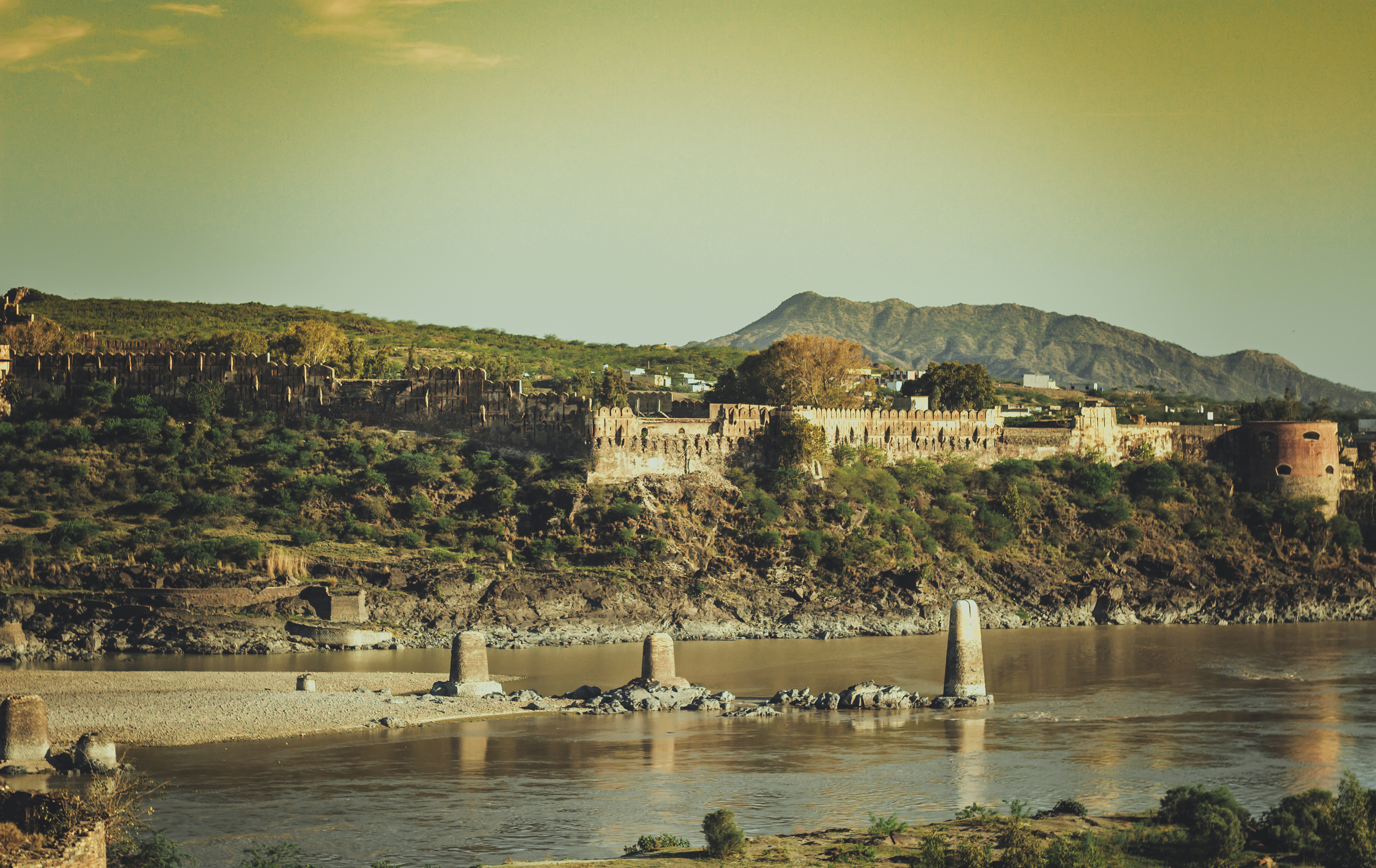
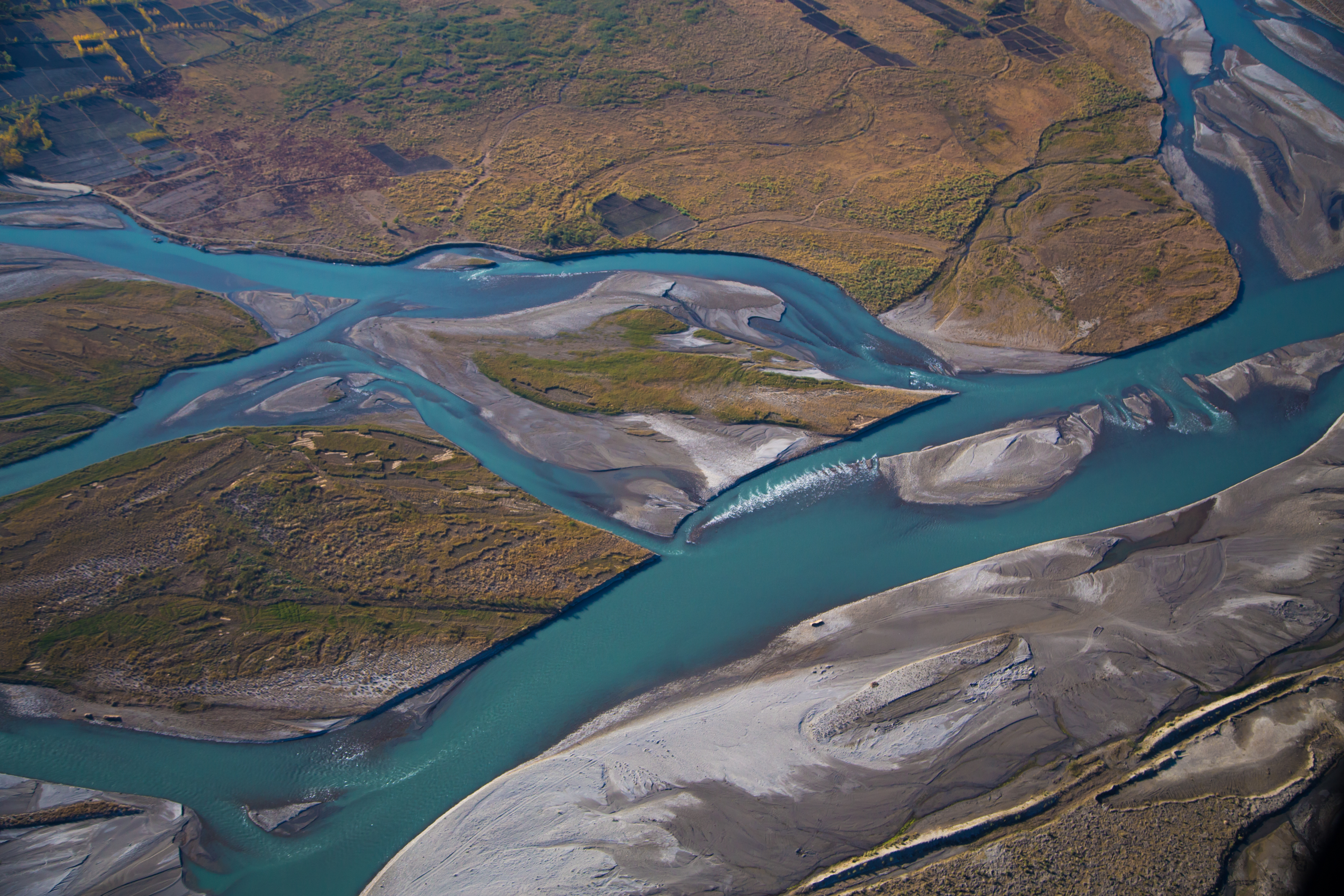

The gold deposits have been found along a 32-kilometer stretch of the Indus River in Attock district. The most promising area lies near the confluence where the Kabul River merges into the Indus. This region has long been known for mineral potential, but recent scientific surveys have provided more concrete estimates.
Estimated Quantity and Value
Based on technical surveys and laboratory testing, officials have shared the following key estimates:

- Estimated Quantity: Approximately 2.8 million tolas
- Metric Equivalent: Around 32 metric tonnes
- Estimated Market Value: Between Rs 600 billion and Rs 800 billion (based on current gold prices)
- Type of Gold: Placer gold (fine particles deposited in river sand and gravel)
Placer gold forms naturally over centuries as river currents carry and deposit gold particles from upstream mountainous regions. Unlike deep underground mining, placer gold is found in surface sediments, which may allow comparatively easier extraction under regulated conditions.
How the Discovery Was Confirmed
The Geological Survey of Pakistan conducted extensive field surveys in the region. Hundreds of sediment samples were collected from various points along the river. These samples were then examined in laboratories to evaluate gold concentration levels.
The survey was carried out under a formal study focused on evaluating placer gold potential in District Attock. Officials from the Punjab mining department have acknowledged the findings and stressed that illegal excavation is strictly prohibited. Security and monitoring measures have reportedly been strengthened to prevent unauthorized digging.

Why This Discovery Is Important
If properly managed, this gold reserve could bring multiple economic benefits:
1. Revenue Generation
Commercial extraction and export of gold could contribute billions of rupees to national revenue.
2. Employment Opportunities
Mining operations, transport, processing, and related services could create job opportunities for local communities.

3. Strengthening Foreign Reserves
Gold exports may help reduce pressure on Pakistan’s balance of payments.
4. Boost to Mining Sector
The discovery could renew investor interest in Pakistan’s untapped mineral resources.
However, experts emphasize that turning this discovery into actual economic benefit will require careful planning, transparency, and sustainable policies.
Environmental Considerations
Since placer gold is located in river sediments, extraction activities must be carefully regulated. Uncontrolled mining could damage the river ecosystem, affect water quality, and harm nearby communities.
Authorities are expected to evaluate:

- Environmental impact assessments
- Transparent bidding processes for mining rights
- Community compensation and development plans
- Sustainable extraction technologies
Balancing economic opportunity with environmental protection will be crucial.
Addressing Rumors
Some social media posts have incorrectly linked this discovery with unrelated claims about soil from Tarbela Dam. Official survey reports specifically mention placer gold deposits in the Indus River in Attock district, not other regions.
Citizens are encouraged to rely on verified updates from government departments instead of unconfirmed online sources.
What Happens Next?
The next phase will likely involve:
- Detailed feasibility studies
- Investment planning
- Regulatory approvals
- Environmental reviews
Commercial mining cannot begin until all legal and environmental requirements are fulfilled.

Final Thoughts
The reported discovery of approximately 2.8 million tolas of gold in the Indus River near Attock could mark an important milestone for Pakistan’s mineral development. With an estimated value reaching hundreds of billions of rupees, the potential economic impact is significant.
However, the true benefits will depend on responsible governance, transparent processes, and environmental protection. If managed wisely, this discovery could strengthen Pakistan’s mining sector and contribute positively to long-term economic growth.