Net Metering Over? Govt’s Big Change for Solar in Pakistan – Winners, Losers & What’s Next
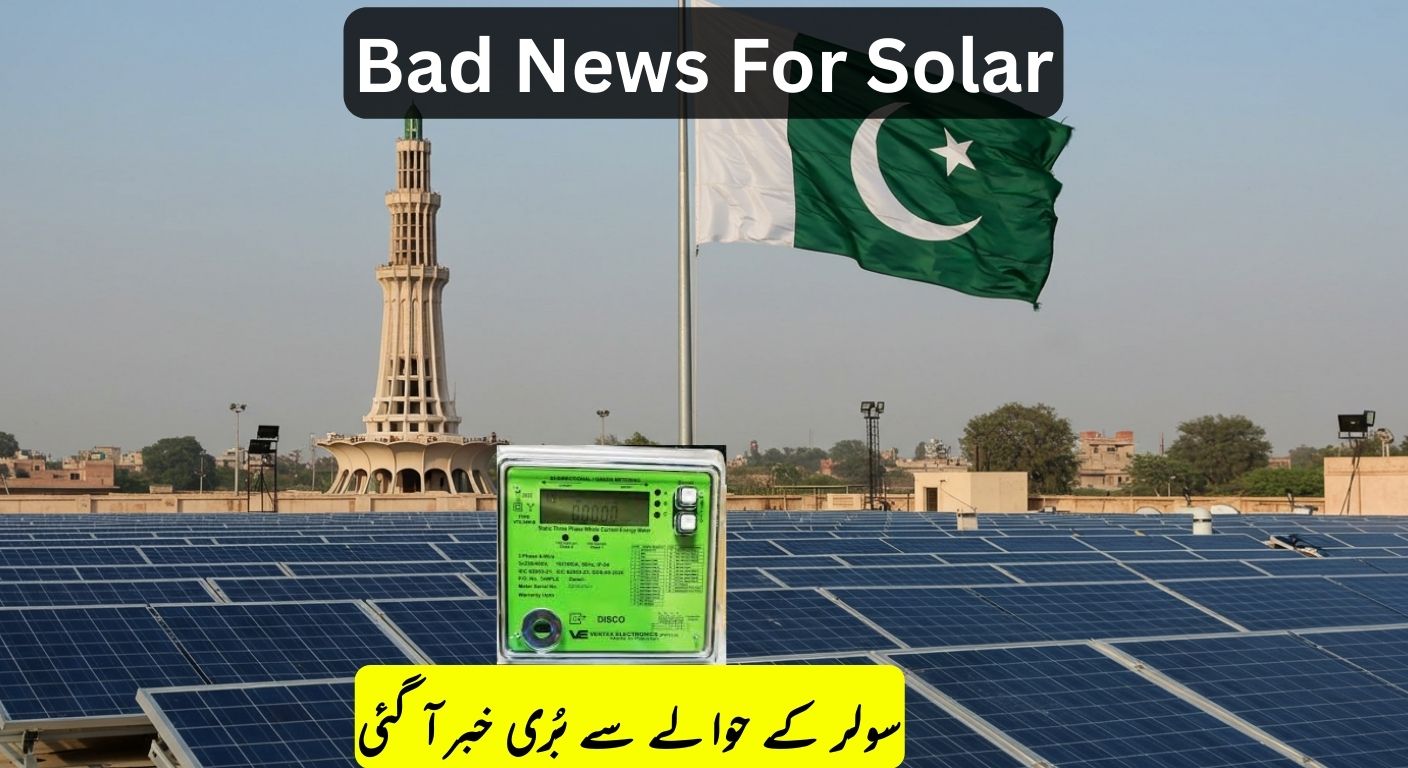
In a move that’s sending shockwaves through Pakistan’s growing solar community, the government has effectively ended the popular net metering system. As of February 2026, rooftop solar users – or “prosumers” – are facing a major policy shake-up that could hike their electricity costs and slow down the renewable energy boom. If you’re in Multan or anywhere in Punjab, where solar adoption has skyrocketed amid frequent loadshedding, this hits close to home.

What Happened? On February 9, 2026, the National Electric Power Regulatory Authority (NEPRA) notified the new Prosumer Regulations 2026, scrapping the 2015 net metering rules. Under the old system, solar panel owners could export excess daytime power to the grid and get unit-for-unit credits, often leading to near-zero bills. Now, it’s replaced by “net billing” – a framework where you sell surplus electricity at a lower “national average energy price” (around Rs. 11 per unit) but buy grid power at the full consumer tariff (up to Rs. 25-50 per unit, depending on usage).Why the Change? Government Side of the Story Power Minister Awais Leghari defends the shift, saying it protects the 90% of non-solar users from an extra Rs. 2.87 per unit burden caused by rising solar penetration. With over 466,000 net-metered users and 6-7 GW of rooftop solar (out of Pakistan’s total 20-22 GW solar capacity), the grid was getting strained. The goal? Better transparency, grid stability, and aligning with global oil dynamics while pushing for 90% clean energy by 2034. Leghari notes that 55% of 2024-25 electricity already came from clean sources, and this affects only a small segment – not the entire solar sector.But here’s the twist: Amid backlash, Prime Minister Shehbaz Sharif stepped in on February 11, ordering a review to shield existing solar users’ contracts until they expire. The government paused the full shift for old installations but is sticking with net billing for new ones. No reversal for fresh solar setups – you can still go green, but under tougher terms.The Backlash: Why Solar Users Are Furious Critics, including the Pakistan Peoples Party (PPP), call it a “penalty” on those who invested in clean energy to escape high bills and outages. Many spent lakhs on panels expecting long-term savings – now, payback periods could double, pushing people toward off-grid batteries instead. Social media is buzzing with outrage: “This kills solar adoption!” say users in cities like Lahore and Karachi. Even businesses fear it discourages renewables at a time when Pakistan needs them to cut import bills and fight climate change.One expert summed it up: The old system made solar a no-brainer for middle-class homes, but net billing slashes benefits by up to 67% (from Rs. 26 to Rs. 11 per unit buyback). Daytime users or battery owners might feel less pain, but heavy exporters? Their bills could jump.Winners & Losers in This Solar Saga
Winners: Non-solar households (no added grid fees) and the state-owned power network, which gets protected from “inefficient” solar floods.What’s Next for Solar in Pakistan? If you’re thinking of installing panels, act fast – but crunch the numbers under net billing. Experts suggest hybrids with batteries for max independence. The Power Division is appealing for tweaks, so watch for updates. Meanwhile, this could spark a rush to off-grid solutions or even protests.
Losers: Existing and new rooftop solar owners, especially in sunny Punjab spots like Multan – expect higher effective costs and slower ROI.