New WAPDA Electricity Meter Policy 2026 – Is Two Meters Allowed in One House?
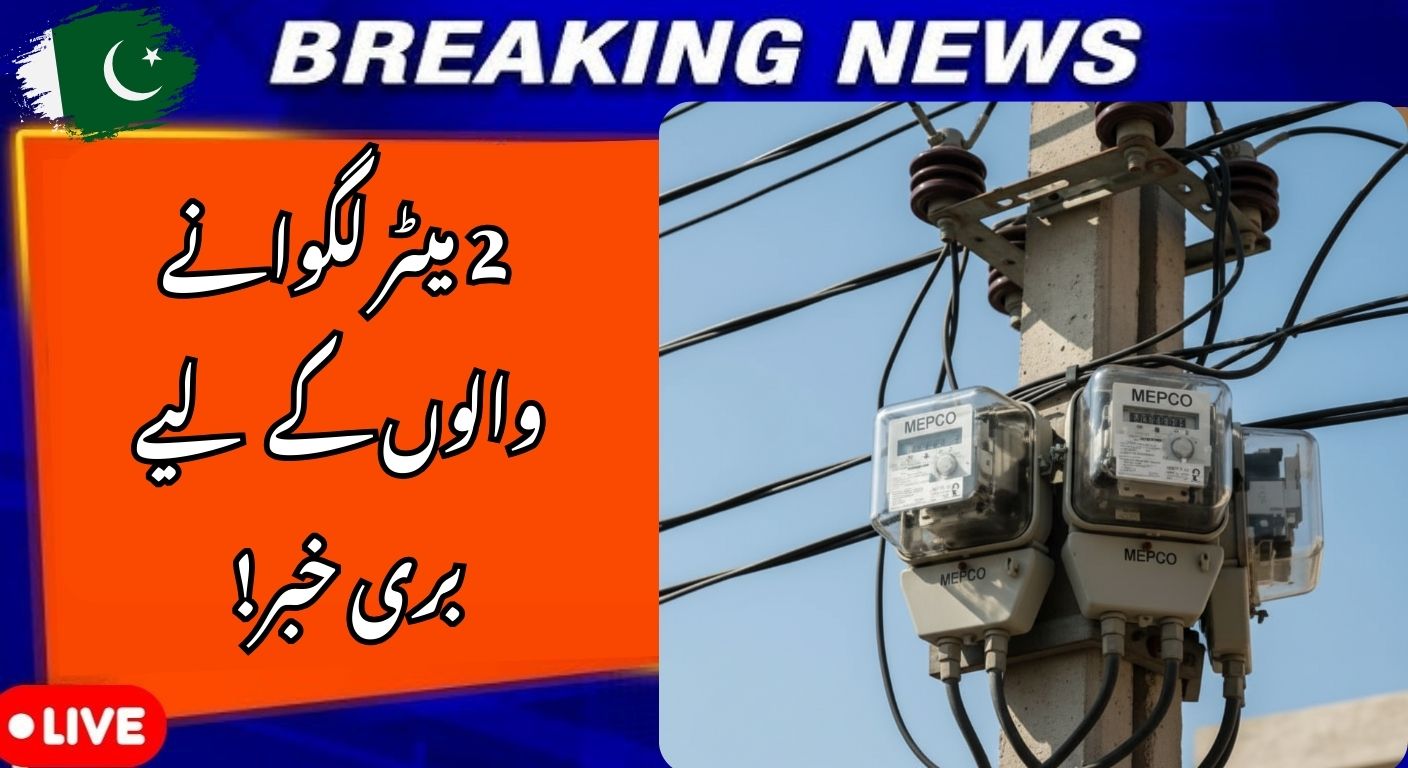
In 2026, many people in Pakistan saw messages online and on social media saying that the government has banned a house from having two electricity meters. Some people were confused and worried because they thought they might lose their extra meter or would not be able to install a second one. However, the real policy is different from these rumors and must be understood carefully.

The official government authority responsible for electricity rules is the Power Division along with the Water and Power Development Authority (WAPDA) and the electricity distribution companies (DISCOs). These include companies like LESCO, IESCO, and others that supply electricity to homes in different cities.
What Was the Rumor About Two Meters?
At first, news circulated that the government had banned two electricity meters in one household. Many posts on social media claimed that people would not be allowed to install a second meter in their home. Some reports even said that those who already had more than one meter could have their connections cut or removed.
These claims became so widespread that a lot of people became confused and worried about their electricity bills and rights. But the government responded to these rumors with an official statement.

What the Government Actually Said
The Power Division has clearly denied that there is any ban on second electricity meters. Officials explained that the news about a full ban was false and misleading. They said that these fake reports were shared without checking facts and caused unnecessary concern among the public. The division also warned that sharing false information is punishable under Pakistan’s electronic crimes law.
The spokesperson made it clear that the law has not changed in a way that stops people from installing more than one meter. The current rules still allow households to have more than one electricity meter, but only if the installation is legal and meets specific conditions.
When Are Multiple Meters Allowed?
According to the rules currently in place, a second (or additional) electricity meter is allowed only if certain conditions are met. Those conditions are designed to make sure that meters are used correctly and fairly, and not to claim electricity benefits or subsidies illegally. These conditions include:

- Separate Living Portion:
The building must have a genuine separate part that is like a distinct household. This could be another flat, unit, or room that truly functions on its own. - Independent Entrance:
The second part must have its own entrance and exit which is separate from the first part of the home. - Separate Kitchen:
The additional unit must also have its own kitchen, not a shared one. - Separate Electrical Wiring:
The electrical wiring for the second meter must be independent and not connected to the other part, so meters measure electricity for each unit correctly.
If all these conditions are met, then it is still possible to apply to the electricity company for an additional meter. The consumer must submit documents such as copies of their ID card, proof of ownership or tenancy, and sometimes a sworn affidavit declaring they live separately in the second portion.
These rules are part of the existing law and are meant to prevent people from installing extra meters only to benefit from low electricity tariff slabs when they actually use much more electricity overall.
Why Do the Rules Exist?
The reason for these rules is to make sure that the electricity subsidy system works fairly. In Pakistan, households using fewer than a certain number of electricity units per month may receive relief and lower rates. Some people began installing multiple meters under the same household name or address so that each meter would appear to use fewer units and then unfairly benefit from the subsidy.

This practice means that the government and real low-income families could lose money because subsidies were being used by people who were not actually low-usage customers. To stop this misuse, the authorities made clear rules about when extra meters can be installed and how they must be separate in reality, not just on paper.
Can You Still Apply for a Second Meter Now?
Yes. As long as you meet the conditions listed above, you can apply for extra meters. WAPDA and the Power Division have confirmed that the policy in 2026 still allows multiple meters for separate living spaces in a legal way.
Here is a simple list of steps that people usually need to follow:
- Prepare the building layout showing separate living units.
- Show proof that there are separate doors and kitchen areas.
- Provide an affidavit or sworn statement declaring separate household use.
- Give your CNIC and ownership/lease documents to the DISCO.
- The electricity company inspects and verifies the details before approval.
If any of these conditions are not met, then the second meter application might be rejected. But if the home truly has two separate portions, then residents can get separate electricity bills for each meter.
What Should People Know?
Here is a summary of key facts:

- A full ban on two meters in one house is not true; the rumor was false.
- Two or more meters are allowed legally if each part of the house is separate and meets official requirements.
- The policy exists to prevent misuse of subsidized electricity rates.
- Sharing incorrect information is punishable under electronic crime laws.
Conclusion
The updated news in 2026 about WAPDA and electricity meters shows that people can still get more than one meter at a home as long as they follow the rules. There is no blanket ban saying that a house must have only one meter under all conditions. The important thing is that additional meters are used fairly and legitimately, not just to reduce bills or misuse government subsidies.
If you are planning to install a second meter, make sure your home has a separate portion, entrance, kitchen, and wiring and that you submit all required documents to the electricity company. This way, the policy works for you and everyone benefits from honest electricity billing.