Pakistan May Consider Age Limit for Social Media Use: A Simple Guide
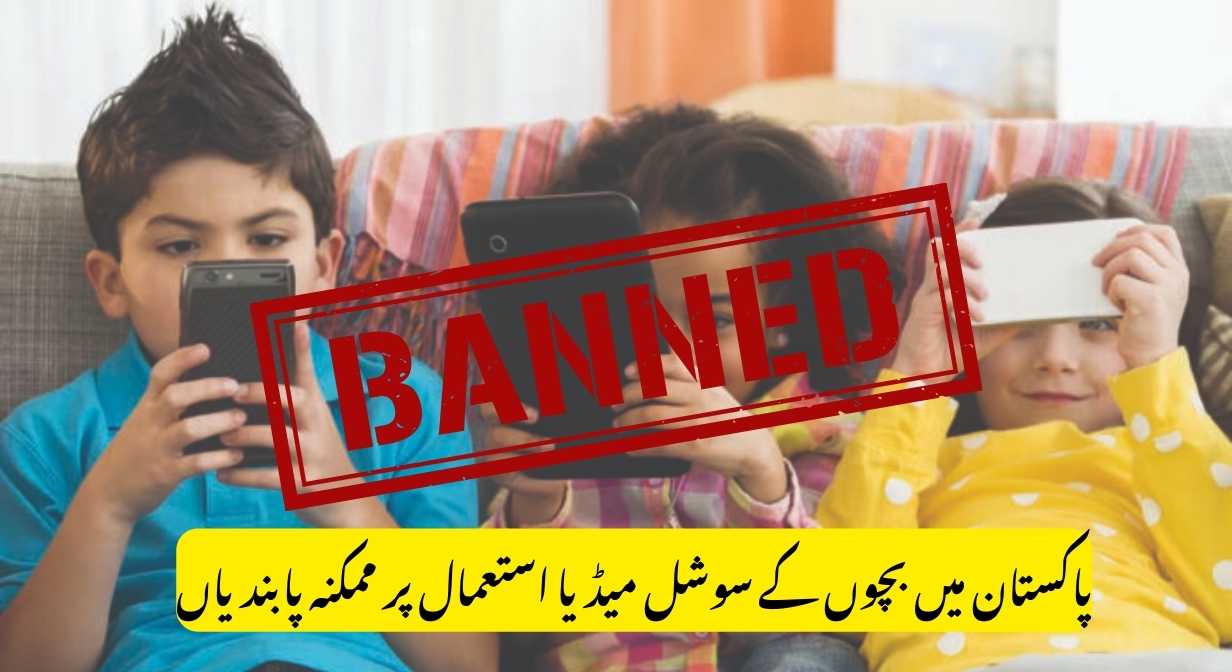
In Pakistan, there is a growing discussion about whether children should be allowed to use social media freely. Recently, a petition was filed in the Lahore High Court (LHC), suggesting that children under the age of 16 should not be allowed to use social media platforms like Facebook, Instagram, TikTok, and others. This idea is similar to rules already in place or being discussed in countries such as Australia, the United Kingdom, and France, where restrictions for young users are encouraged to protect children online.

The Petition in Lahore High Court
The petition was filed by Aliya Saleem, a student in Class 8, through her lawyer Sheeza. The petition names several authorities, including:
- Federal Government of Pakistan
- Pakistan Telecommunication Authority (PTA)
- Other relevant agencies responsible for online regulation
The main goal of the petition is to protect children from harmful effects of social media and ensure their mental, educational, and moral development is not compromised.
Why the Petition Was Filed
The petitioner highlighted several key reasons why social media may not be safe for young children:

1. Mental Health Concerns
Social media platforms often show content that is stressful, negative, or misleading. For children who are still growing, exposure to such content can lead to:
- Anxiety
- Depression
- Stress
- Low self-esteem
This means that children may feel unhappy or worried after using these platforms.
2. Moral and Ethical Development
Children learn values and social behavior as they grow. Social media often shows content that is not suitable for minors, including:

- Violence
- Bad language
- Unhealthy or harmful behavior
Early exposure to such content can negatively affect their morals and behavior.
3. Education and Learning Impact
Many children spend hours on social media instead of studying. This can:
- Reduce concentration in school
- Lower academic performance
- Make children less interested in learning
The petition emphasizes that excessive use of social media can distract children from education.

4. Exposure to Unsafe Content
Social media exposes children to harmful content such as:
- Bullying
- Inappropriate videos or messages
- Fake news or misleading information
- Peer pressure to copy risky behaviors
Without restrictions, children may face dangers online that they do not know how to handle.
Legal Perspective
The petition stresses that the state has a constitutional responsibility to protect the rights of children. According to the petitioner:
- Children have a right to safety, mental well-being, and education.
- Social media restrictions for minors would help fulfill the government’s duty to safeguard children’s fundamental rights.
- Courts should consider making rules to prevent children from accessing harmful content online.
Global Examples of Age Restrictions
Pakistan is not alone in considering such measures. Many countries have already introduced or recommended age limits for social media use:
- Australia – Laws encourage social media companies to verify the age of users and restrict harmful content for minors.
- United Kingdom – The government recommends that children under 16 cannot freely use social media platforms without parental guidance.
- France – Requires social media companies to confirm user age and restrict access to certain features for children.
These examples show a global trend of protecting children from online harm.

Potential Benefits of Social Media Restrictions for Children
If Pakistan decides to enforce an age limit on social media use, several positive outcomes are possible:
1. Better Mental Health
Children would spend less time exposed to harmful content, reducing stress, anxiety, and other mental health problems.
2. Stronger Educational Focus
With limited social media access, children would have more time for:
- Studying
- Reading books
- Learning hobbies and skills
This can improve their academic performance and future opportunities.
3. Safer Online Behavior
Age restrictions would prevent children from interacting with strangers online or encountering dangerous content. This helps:

- Reduce cyberbullying
- Avoid scams and online fraud
- Promote responsible internet use
4. Healthy Social Development
Without excessive social media use, children may focus more on real-life social interactions, like playing with friends and family, which improves communication skills and emotional intelligence.
Challenges in Implementing Age Restrictions
While the idea of an age limit sounds useful, there are some challenges:
1. Verification of Age
Social media companies would need to verify the age of each user, which is difficult. Many children lie about their age online.
2. Enforcement
Even if the government makes a law, enforcing it is tricky because:
- Children may use parents’ accounts
- Access through VPNs or other tools may bypass restrictions
3. Balancing Freedom and Protection
Some parents believe children should have limited freedom online to learn, explore, and connect socially.

Strict restrictions might limit creativity or social learning.
What the Petition Requests from the Court
The petition urges the Lahore High Court to:
- Consider restricting social media use for children under 16.
- Direct the PTA and other authorities to monitor social media platforms for child safety.
- Ensure children are protected from harmful content while still allowing educational and safe online activities.
- Encourage social media companies to develop safer platforms for minors.
Experts’ Opinions
Child psychologists, educators, and online safety experts agree that:
- Excessive social media use can harm mental health
- Children need guidance to understand and filter online content
- Parental supervision and official age limits together can create safer online environments
How Parents Can Help
Even before legal rules are made, parents can take steps to protect their children:
- Set daily limits for social media use
- Monitor apps that children use
- Discuss online dangers openly with kids
- Encourage children to spend more time in outdoor activities or hobbies
- Teach children how to use social media responsibly
Simple Summary
- Petition filed in Lahore High Court: Children under 16 should not freely use social media
- Reason: Protect mental health, morals, education, and safety
- Global trend: Many countries already restrict social media for minors
- Potential benefits: Better mental health, improved education, safer online experience
- Challenges: Age verification, enforcement, balancing freedom with protection
Final Thoughts
Social media is a powerful tool, but for children under 16, it can be harmful if used without guidance. Pakistan may soon consider age restrictions to protect children’s mental health, education, and overall development.

This petition shows that even young voices, like Aliya Saleem, are raising awareness about child safety online.
While rules may take time, parents, schools, and authorities all play a key role in helping children use the internet safely. With the right balance, children can enjoy the benefits of social media while avoiding its dangers.