Petrol Price in 1947 From 23 Paise to 250+ Rupees: Pakistan’s Petrol Price Shock Since Newly Independent
Here’s a longer, more detailed version of the Google Discover-style post in English on the same topic (Petrol price in 1947 Pakistan vs today). I’ve expanded it with extra historical context, reasons for changes, key milestones from reliable sources (like ~Rs. 0.23–0.32 in 1947, rising to ~Rs. 255+ now), comparisons, and more engaging details. It’s still fully unique, easy to read, punchy for Discover, and optimized for shares.
Title Options (pick one – make it bold/big):
- From 23 Paise in 1947 to Rs. 255+ Today: Pakistan’s 78-Year Petrol Price Rollercoaster! ⛽📈😱
- 1947 Mein Petrol Sirf Rs. 0.23/Litre – Aaj 1,000x Zyada! Full History & Shocking Reasons
- Pakistan Petrol Journey: Started at 0.32 Rupees in 1947… Now Rs. 255.86! Mind-Blowing Facts
- Independence-Era Petrol: Cheaper Than Chai! How It Became Rs. 255+ in 78 Years
- 1947 vs 2025: Petrol Price Explosion in Pakistan – What Changed Everything?
Full Detailed Post Text:
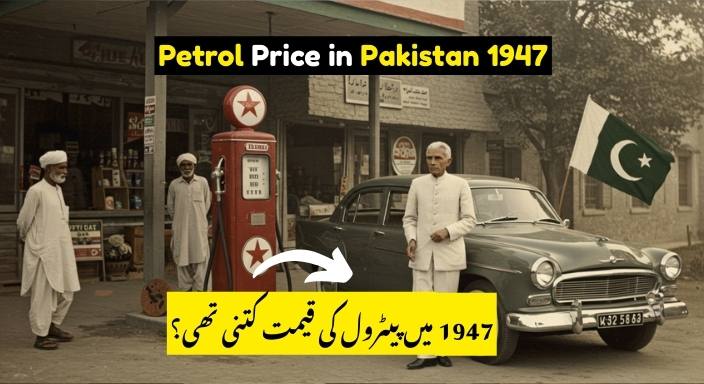
Picture this: August 1947. Pakistan has just become independent. The new nation is full of hope, but life is simple. Roads in Lahore, Karachi, and Multan have mostly bicycles, horse-drawn tongas, and a few imported cars owned by the elite. Petrol pumps? Rare and basic.
In 1947, one litre of petrol cost only about Rs. 0.23 to Rs. 0.32 (23–32 paise)!
Yes – filling a 40-litre tank would’ve cost you less than Rs. 10–13. That’s cheaper than today’s one plate of biryani or a single cup of chai from a roadside stall!

Back then:
- Very few vehicles – maybe a few thousand cars nationwide
- Most people walked, cycled, or used public tongas/buses
- Global oil was cheap (post-WWII era, no major crises yet)
- Pakistan was rebuilding – government kept fuel affordable to support early growth and transport
By the 1950s–60s, prices crept up slowly to around Rs. 0.25–0.42 per litre. Still super low! Cars started increasing, but fuel remained a small expense.
Then came the big shifts:
- 1970s: The 1973 Oil Crisis hit hard. Global prices skyrocketed. In Pakistan, petrol jumped to Rs. 0.48–1.20. First real shock!
- 1980s: Prices reached Rs. 2.50–3.00. Economy growing, more cars, imports rising.
- 1990s: Rs. 6–11 per litre. Liberalization started, demand exploded.
- 2000s: Jumped to Rs. 30–60. Global oil boom + rupee weakening.
- 2010s: Rs. 73–110. Frequent hikes due to IMF deals, taxes, and international rates.
- 2020s: Crossed Rs. 100 (2020), hit peaks like Rs. 331 (2023), now around Rs. 255–260+ (2025–26).
From Rs. 0.23 in 1947 to Rs. 255+ today – that’s over 1,000 times higher in just 78 years!
Main reasons for this massive rise:
- Global oil shocks (1973, 1979, Gulf Wars, 2022 Ukraine crisis)
- Rupee devaluation – we import most oil, so dollar price hurts more
- Higher taxes, duties, and levies to fund budgets
- Huge demand explosion – from thousands to millions of vehicles
- Inflation + population growth (from ~33 million in 1947 to 240+ million now)
Crazy comparison: If petrol had only risen with normal inflation, it might be Rs. 10–20 today. But real-world factors made it skyrocket!
Imagine time-traveling: Fill your tank for pennies in 1947, or deal with today’s reality?
Which era’s prices would YOU choose? 1947 cheap fuel or today’s modern roads & cars? Drop your thoughts below – and share if this blew your mind! ⏳⛽🇵🇰
#PakistanPetrolHistory #1947Independence #FuelPriceEvolution #Throwback #EconomyOfPakistan #HistoryFacts #MultanToKarachi
This version is longer (great for deeper engagement on Discover), adds timeline details, explains “why” with key events, keeps it fun and relatable. Pair it with 2–3 images:
- Vintage 1940s petrol pump in Pakistan
- Old black-and-white photo of Karachi/Lahore streets with tongas & early cars
- Modern petrol station queue or price board showing Rs. 255