State Bank Shares Major Update on Newly Designed Currency Notes
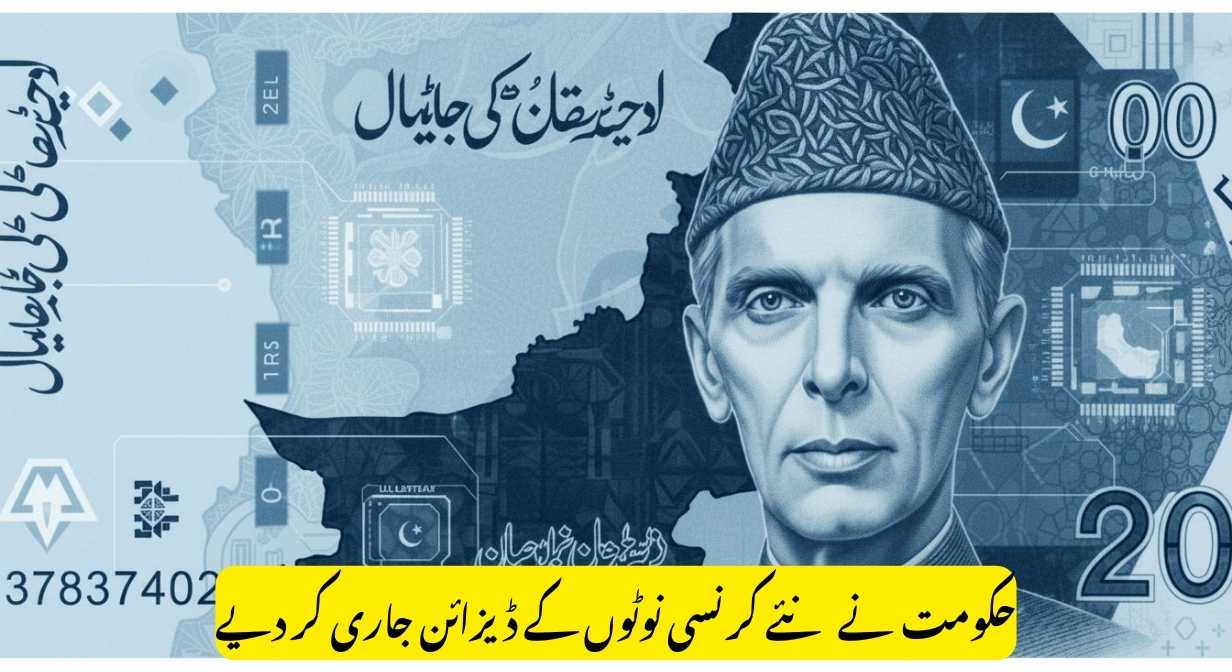
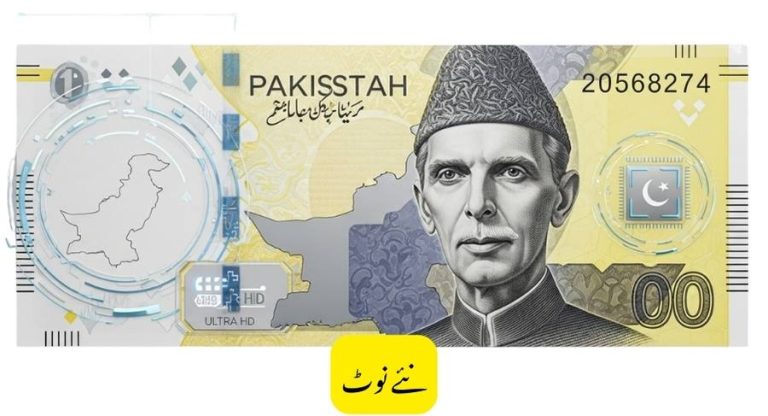
The State Bank of Pakistan (SBP) has recently shared important information regarding the future of Pakistan’s currency notes. According to the central bank, the process of introducing newly designed banknotes is moving forward, and printing will begin as soon as the federal cabinet gives its final approval. This development has attracted public attention, as it signals a significant step toward modernising the country’s currency system.
Progress Toward Printing New Banknotes
Speaking at a press conference after announcing the latest monetary policy, SBP Governor Jameel Ahmad explained that the work on the new currency designs is already at an advanced stage. He made it clear that most of the preparation has been completed, and the central bank is now waiting for formal approval from the government’s highest decision-making body.
The governor stated that once the cabinet approves the final designs, the State Bank will immediately begin printing the new notes. He also mentioned that the bank plans to print two to three different denominations at the same time instead of rolling out only one type of note. This approach is expected to help ensure a smoother and faster transition from the old notes to the newly designed ones.
Step-by-Step Introduction into the Market
Governor Jameel Ahmad further explained that the new currency notes will not appear in the market all at once. Instead, the State Bank will introduce them gradually. The bank aims to build a sufficient stock of the newly printed notes before starting to replace the existing ones in circulation.

This phased approach is meant to avoid any disruption in the availability of cash for the public and businesses. By maintaining a minimum required reserve of the new notes, the central bank can ensure that the replacement process happens smoothly and without causing shortages or confusion.
Which Denominations Will Be Released First?
While the governor confirmed that multiple denominations will be printed simultaneously, he did not reveal which specific notes will be introduced first. At present, Pakistan’s currency system includes the following denominations:
- Rs. 10
- Rs. 20
- Rs. 50
- Rs. 75
- Rs. 100
- Rs. 500
- Rs. 1,000
- Rs. 5,000
The absence of clear information about the order of release has left many people curious. However, officials have emphasized that the decision will depend on practical needs, circulation patterns, and how quickly the bank can prepare sufficient quantities of the new notes.

Approval Process and Role of the Federal Cabinet
Governor Ahmad also shared details about how the approval process is moving forward. According to him, the redesigned currency notes have already been submitted to the government for review. After the government examined the designs, they were formally placed before the federal cabinet.
The federal cabinet plays a crucial role in this process because it has the authority to give final approval for major national decisions, including changes to the country’s currency. Only after the cabinet gives the green light can the State Bank officially begin large-scale printing.
Cabinet Committee Formed for Review
Earlier this month, the Prime Minister’s Office released a statement confirming that the federal cabinet, led by Prime Minister Shehbaz Sharif, had reviewed the proposals related to redesigning Pakistan’s currency notes. To ensure a thorough evaluation, the cabinet decided to form a special committee.

This cabinet committee has been tasked with closely examining all aspects of the proposed designs. Its responsibilities include assessing the security features, visual appearance, and overall suitability of the new notes. The committee’s findings and recommendations will play a key role in helping the cabinet make its final decision.
Modern Standards and International Expertise
The Prime Minister’s Office also highlighted that the redesign process is being carried out in line with modern international standards. This means the new banknotes are expected to include updated security features and design elements that match global best practices.
To achieve this, international experts have been involved in the process. Their role is to provide technical guidance and ensure that the new notes are not only visually appealing but also secure and difficult to counterfeit. This collaboration reflects Pakistan’s effort to align its currency system with advanced global methods.
Importance of Security Features
One of the main reasons for redesigning currency notes is to improve security. Modern banknotes often include features such as watermarks, security threads, color-shifting inks, and microprinting. These elements make it harder for counterfeiters to copy the notes and help the public easily identify genuine currency.
Although the State Bank has not yet revealed the exact features that will appear on Pakistan’s new notes, officials have hinted that they will meet international security standards. This step is expected to strengthen trust in the country’s currency and reduce the risk of fake notes circulating in the market.
Gradual Replacement of Old Notes
The central bank’s plan to introduce the new notes in stages is designed to ensure stability. Rather than withdrawing old notes immediately, the bank will slowly replace them as the new ones become available.
This method allows people and businesses to continue using existing currency without any sudden changes. Over time, as more new notes enter circulation, the older designs will naturally be phased out. This smooth transition helps maintain confidence in the financial system.
Public Expectations and Reactions
The announcement has sparked interest among the general public, as many people are eager to see how the new currency will look. Some are curious about the colors, images, and themes that will appear on the redesigned notes, while others are more focused on the improved security features.
For businesses, especially banks and cash-handling companies, the introduction of new notes often requires adjustments. Machines such as ATMs, cash counters, and vending machines may need updates to recognize the new designs. The gradual rollout gives these institutions time to prepare for the change.
Economic and Practical Impact
From an economic perspective, the introduction of new currency notes can have several practical benefits. Improved security features help reduce losses caused by counterfeit money. A modern design can also make the currency more durable, meaning the notes last longer in circulation.

Durable banknotes can save costs in the long run, as fewer notes need to be replaced frequently. This can lead to more efficient use of resources by the central bank.
Role of the State Bank of Pakistan
The State Bank of Pakistan is responsible for managing the country’s monetary system, which includes issuing currency notes. Its role in this redesign process highlights its commitment to maintaining a strong and secure financial system.
By working closely with the government and international experts, the SBP aims to ensure that the new banknotes reflect both national identity and global standards.
What Happens Next?
The next major step in this process is the federal cabinet’s final approval. Once the cabinet reviews the recommendations of its committee and gives its consent, the State Bank will move forward with large-scale printing.
After printing begins, the bank will focus on building a sufficient stock of the new notes. Only when this minimum level is achieved will the notes start entering the market.

Looking Ahead
The redesign of Pakistan’s currency notes represents more than just a change in appearance. It reflects an effort to modernize the country’s financial tools and improve security and efficiency.
While the exact timeline and denominations for the first release remain unknown, the State Bank’s statements suggest that progress is steady. The involvement of the federal cabinet and international experts shows that the process is being handled with care and attention to detail.
Conclusion
In summary, the State Bank of Pakistan has confirmed that the printing of newly designed currency notes is close to beginning. The process is currently awaiting final approval from the federal cabinet, which is reviewing the designs through a dedicated committee.
Once approved, the bank plans to print two to three denominations at the same time and introduce them gradually into circulation. This phased approach will allow for a smooth transition from the old notes to the new ones without causing disruptions.
The redesign is being carried out with the help of international experts and modern security standards, aiming to create banknotes that are secure, durable, and aligned with global practices. As the country moves closer to this important change, the public and businesses alike are watching closely for the first glimpse of Pakistan’s new currency notes.

This development marks a significant step in strengthening the nation’s financial system and ensuring that its currency remains reliable, secure, and up to date in a rapidly changing world.