Turkish Lira vs Pakistani Rupee – Which Currency Is Higher and Stronger in 2026?
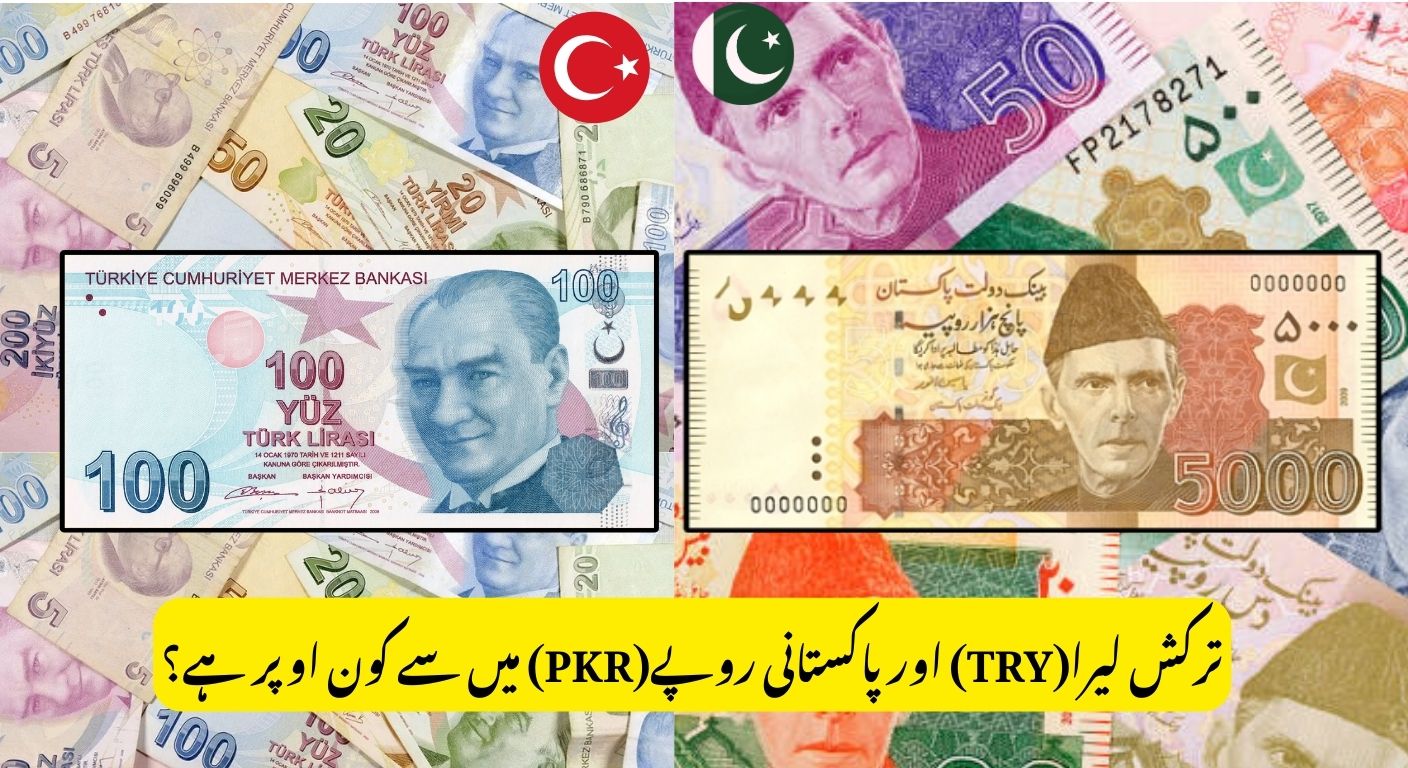
The exchange rate between the Turkish Lira (TRY) and the Pakistani Rupee (PKR) is important for many people in both countries. Turkey and Pakistan are developing economies, and their currencies often change in value due to economic conditions, inflation, and global market trends. Because of this, the TRY to PKR rate does not stay fixed and can move up or down over time.

Many traders, students, workers, travelers, and business owners closely monitor this exchange rate. Even small changes in currency value can affect remittances, trade payments, travel budgets, and investment profits. Understanding the latest rate helps individuals and companies make better financial decisions.
Current TRY to PKR Exchange Rate (19 February 2026)
As of February 19, 2026, the approximate exchange rates are:
| Type | Exchange Rate |
|---|---|
| Interbank Rate | 1 TRY ≈ 6.40 PKR |
| Open Market Rate | 1 TRY ≈ 6.45 – 6.60 PKR |
The interbank rate is mainly used for official banking transactions and large transfers. The open market rate is usually slightly higher because exchange companies add service charges and profit margins.

Example Conversions
Here are some common currency conversion examples based on the interbank rate:
| Turkish Lira (TRY) | Pakistani Rupees (PKR) |
|---|---|
| 10 TRY | 64 PKR |
| 100 TRY | 640 PKR |
| 1,000 TRY | 6,400 PKR |
| 10,000 TRY | 64,000 PKR |
Please note that the actual amount you receive may vary slightly depending on where you exchange your money.
Types of Exchange Rates
1️⃣ Interbank Rate
The interbank rate is the rate used by banks and financial institutions. It is influenced by:

- Central bank policies
- Foreign exchange reserves
- Large international transactions
This rate is considered the official benchmark for currency value.
2️⃣ Open Market Rate
The open market rate is offered by:
- Currency exchange shops
- Money transfer services
- Remittance companies
This rate is slightly higher than the interbank rate because service providers include their operational costs and profit margins. Most individuals exchanging cash use this rate.

Why the TRY to PKR Rate Changes
The exchange rate between the Turkish Lira and the Pakistani Rupee changes due to several economic and political factors.
Inflation
If inflation increases in Turkey, the Turkish Lira may weaken. Similarly, rising inflation in Pakistan can reduce the value of the Pakistani Rupee. Higher inflation usually lowers purchasing power and affects currency strength.
Interest Rates
Central banks adjust interest rates to control inflation and stabilize the economy. Higher interest rates can attract foreign investors and strengthen a currency. Lower rates may weaken it.
Trade Balance
If Pakistan imports more goods from Turkey, the demand for Turkish Lira increases. Higher demand can push the TRY value upward against PKR.
Political Stability
Political uncertainty, elections, or economic reforms in either country can impact investor confidence and currency value.

Global Market Trends
Movements in major global currencies, especially the US Dollar, also influence both TRY and PKR. Since both Turkey and Pakistan trade internationally in dollars, global trends indirectly affect their exchange rate.
Why This Exchange Rate Matters
Remittances
Some Pakistanis work or study in Turkey and send money back home. The exchange rate determines how much Pakistani Rupees their families receive.
For example, sending 1,000 TRY at the interbank rate gives approximately 6,400 PKR. If the rate increases, families receive more money.
Trade and Business
Pakistan imports textiles, machinery, chemicals, and other goods from Turkey. If the Turkish Lira becomes stronger, import costs increase. This can lead to higher prices for certain products in Pakistan.
Businesses involved in import and export closely monitor exchange rates to manage costs and protect profit margins.

Travel and Education
Students and tourists traveling to Turkey must convert Pakistani Rupees into Turkish Lira. If the Lira strengthens, travel expenses become higher. If it weakens, travel becomes slightly more affordable.
Budget planning becomes easier when travelers check daily exchange rates before converting money.
Investment Decisions
Companies dealing with international trade watch the TRY to PKR rate carefully. Currency fluctuations can affect:
- Profit margins
- Import costs
- Contract pricing
- Long-term business planning
Even small exchange rate changes can have a big financial impact for large businesses.
Historical Trend Overview
In recent years, the Turkish Lira has experienced noticeable fluctuations due to inflation and economic reforms in Turkey. Similarly, the Pakistani Rupee has faced pressure because of trade deficits, inflation, and foreign reserve challenges.

Since both currencies belong to developing economies, the TRY to PKR rate is considered moderately volatile. It can change more frequently compared to stronger global currencies like the US Dollar or Euro.
Long-term trends are influenced by:
- Inflation rates
- Central bank decisions
- Foreign exchange reserves
- Government policies
- Political and economic stability
Because of these factors, regular monitoring of the exchange rate is important.
Tips for Converting TRY to PKR
If you are planning to exchange money or send remittances, consider these tips:
✔ Check updated rates daily before making a transaction
✔ Use licensed banks or authorized exchange companies
✔ Compare rates from multiple providers
✔ Consider service charges and transfer fees
✔ Avoid panic decisions during short-term fluctuations

Planning ahead can help you get a better exchange value and avoid unnecessary losses.
Conclusion
As of February 19, 2026:
- 1 TRY ≈ 6.40 PKR (Interbank Rate)
- Open Market Rate ≈ 6.45 – 6.60 PKR
The TRY to PKR exchange rate plays an important role in remittances, business transactions, travel planning, and investments. Since both Turkey and Pakistan have developing economies, their currencies can experience moderate changes over time.
By staying informed about daily exchange rate movements and using reliable exchange services, individuals and businesses can make smarter financial decisions in 2026. Monitoring currency trends helps ensure better budgeting, safer remittances, and more efficient international trade.