Will Petrol Prices Increase in Pakistan in the Coming Days?
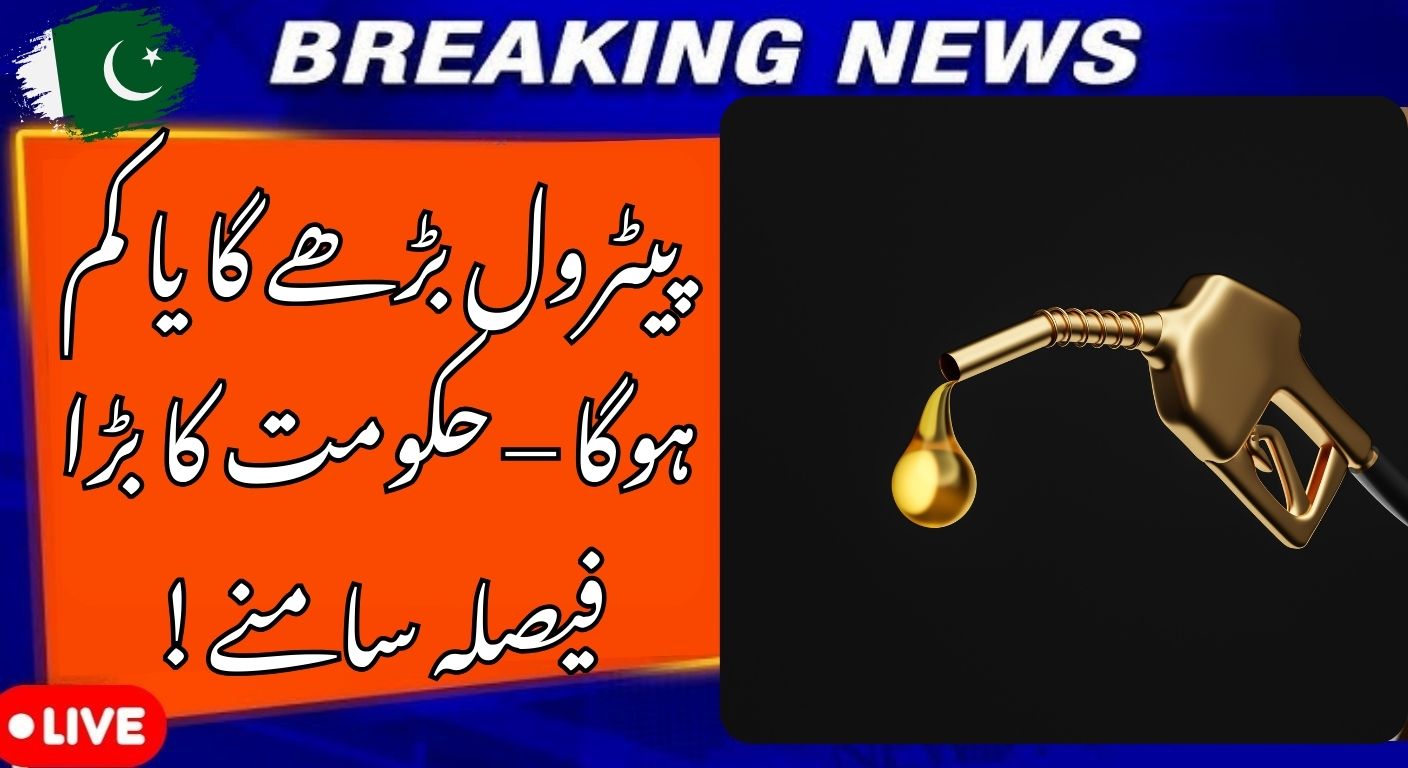
Petrol is one of the most important fuels in Pakistan. We use it every day for cars, motorcycles, rickshaws, trucks, and even for some machines in farms and factories. When petrol prices change, it affects everyone’s life because the cost of travel and many goods can start to rise.
In early March 2026, petrol prices in Pakistan changed a lot—first a small increase and then a very big increase in one week. This article explains what is happening, why prices rise, and whether prices might go up again in the future.
Latest Petrol Prices in Pakistan (March 2026)
Here are the current petrol rates that the government announced in March 2026. Petrol prices are usually updated every two weeks or every week depending on the situation.
| Fuel Type | Price (Rs/Litre) | Change (Increase) |
|---|---|---|
| Petrol (Motor Spirit) | Rs 321.17 | + Rs 55 from previous rate |
| High-Speed Diesel (HSD) | Rs 335.86 | + Rs 55 from previous rate |
| Kerosene Oil | Rs 318.81† | (Current rate) |
Prices effective from March 7–10, 2026 (latest official rates).

These are some of the highest petrol prices ever in Pakistan’s history. Earlier in the month (March 1), petrol was priced at Rs 266.17 per litre after a smaller increase of Rs 8 per litre. But on March 7, 2026, the government suddenly raised prices by Rs 55 per litre, making petrol cost Rs 321.17.
Why Are Petrol Prices Rising?
Petrol prices in Pakistan are not fixed forever. They change for reasons that include international markets and local conditions. Here are the main reasons:
1. Global Oil Price Increases
Pakistan imports most of its oil and petrol from other countries. When crude oil prices increase in the world, Pakistan has to pay more to buy fuel. This usually leads to a rise in petrol prices locally. In early 2026, global oil prices surged because of geopolitical tensions in the Middle East, especially involving Iran and other countries, and this made oil much more expensive.
2. Weak Pakistani Rupee
Petrol is bought in US dollars on the international market. If the Pakistani rupee becomes weaker against the dollar, it means Pakistan must spend more rupees to buy the same amount of fuel, which increases the price for people.
3. Taxes and Levies
The government adds taxes like the petroleum levy, sales tax, and other charges to petrol. When these taxes go up or are set high, they increase the petrol price even if global oil prices are not changing much.
4. Government Policy Changes
Sometimes, the government decides to change prices to meet economic targets, manage budget needs, or follow agreements with international financial organizations. These decisions can also push petrol prices up.
5. Import and Supply Issues
If global supply lines are disrupted—like when important sea routes are blocked—it becomes more expensive and difficult for Pakistan to import petroleum products. Reports in March 2026 showed disruptions due to international tensions, which put pressure on supply and prices.
How Petrol Price Changes Affect Everyday Life
Petrol price increases do not only affect drivers. They influence many parts of the economy:
Transport Costs
Buses, taxis, ride‑hailing services, and any transport that uses petrol will cost more. When fuel costs more, drivers and transport companies often raise their fares.
Food and Goods Prices
Because transport costs rise, the price of food and goods also increases. Shops and suppliers must pay more to bring items from farms and factories to markets.
Electricity and Businesses
Some generators, industries, and factories use petrol or diesel for power. If fuel becomes expensive, production costs rise, and this can cause prices of other services and goods to go up too.
Household Expenses
When petrol prices increase, families may have to spend more on travel and delivery costs, leaving less money for savings and other needs.
Will Petrol Prices Keep Increasing?
No one can predict exactly what will happen, but based on the current situation, there is a possibility that petrol prices may go up again in the future. This depends on a few key factors:
International Oil Market
If global crude oil prices continue to rise due to geopolitical conflict, supply chain problems, or other world events, petrol prices in Pakistan may also follow the upward trend.
Exchange Rate
If the Pakistani rupee weakens further against the dollar, importing fuel will cost more, and prices at petrol pumps could rise again.
Government Price Review
The government now sometimes reviews petrol prices weekly or bi‑weekly. So prices can change more often than in the past.

However, if global markets stabilize and the rupee strengthens, petrol prices might stay the same or even decrease a little. But right now in 2026, prices are very high because of world trends.
What Can People Do to Handle Price Increases?
Here are simple ways people can manage even if petrol prices go up:
Use Public Transport
Taking buses, trains, or shared rides reduces personal fuel costs.
Carpooling
Sharing rides with friends or family decreases the amount of petrol each person uses.
Plan Travel Carefully
Avoid unnecessary short trips to save on petrol use.
Maintain Vehicles
A well‑maintained vehicle uses petrol more efficiently and reduces wastage.
Stay Informed
Follow official government announcements for petrol price updates to avoid surprises.
Conclusion
Petrol prices in Pakistan have increased significantly in early March 2026, with rates now above Rs 321 per litre, mainly due to global oil price surges and economic pressures. There is a possibility that prices may rise again if international fuel markets remain unstable or if the rupee weakens further.
These price changes affect transportation, goods, and everyday living costs. People can minimize the impact by using public transport, planning trips, and staying updated with official price announcements.
In simple words: petrol prices may increase, but the exact future rate depends on world markets, government policy, and currency changes.